

Guyana’s Low Coastal Plain, situated between 0.5 to 1m below sea level at high tide, is home to approximately 90 per cent of the country’s population and accounts for over 50 per cent of its gross domestic product (GDP). This case study examines the intersection of sea level rise with coastal adaptation policies, strategies and infrastructure in Guyana, drawing on published research, government documents and stakeholder engagement.
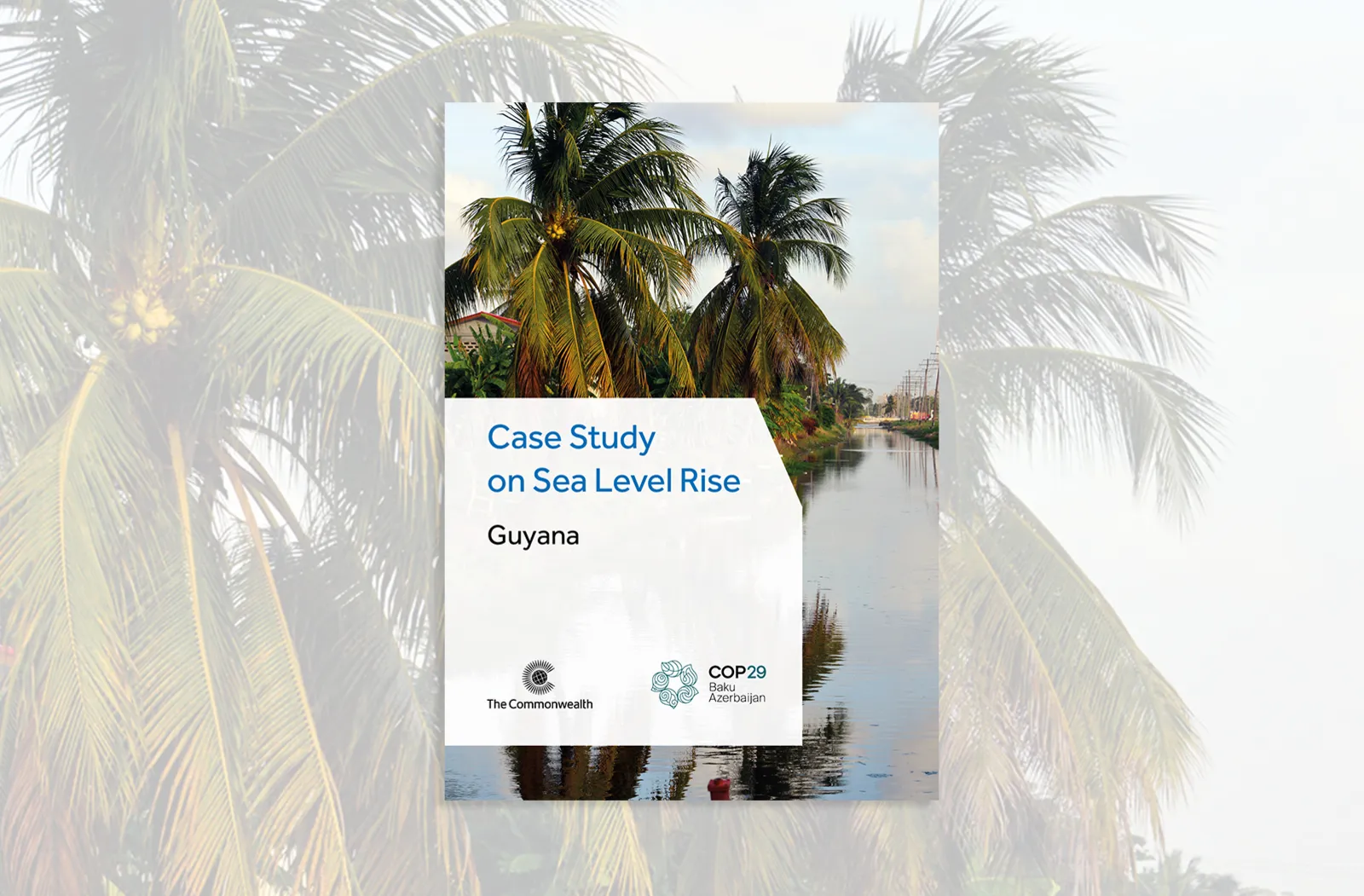
This case study identifies several priorities for action: redistributing population centres away from flood-prone areas, sustained investment in sea defences and drainage, protection and restoration of mangrove ecosystems, improved access to economic resources and insurance, protection of critical infrastructure, investment in research and data collection, improvement of environmental quality and public health, and strengthened disaster co-ordination and community organisation.
Guyana’s economic transformation through oil and gas presents a timely opportunity for incorporation of adaptation strategies to safeguard future socio-economic gains.