

This case study examines the effectiveness of adaptation measures to sea level rise in Kiribati, with a particular focus on infrastructure interventions. Kiribati comprises 32 atolls scattered over 3.5 million square kilometres (km²) of ocean with a total land area of only 811km². The islands are low-lying coral atolls with nutrient-poor soils, limited freshwater resources and high dependence on marine resources for food security.
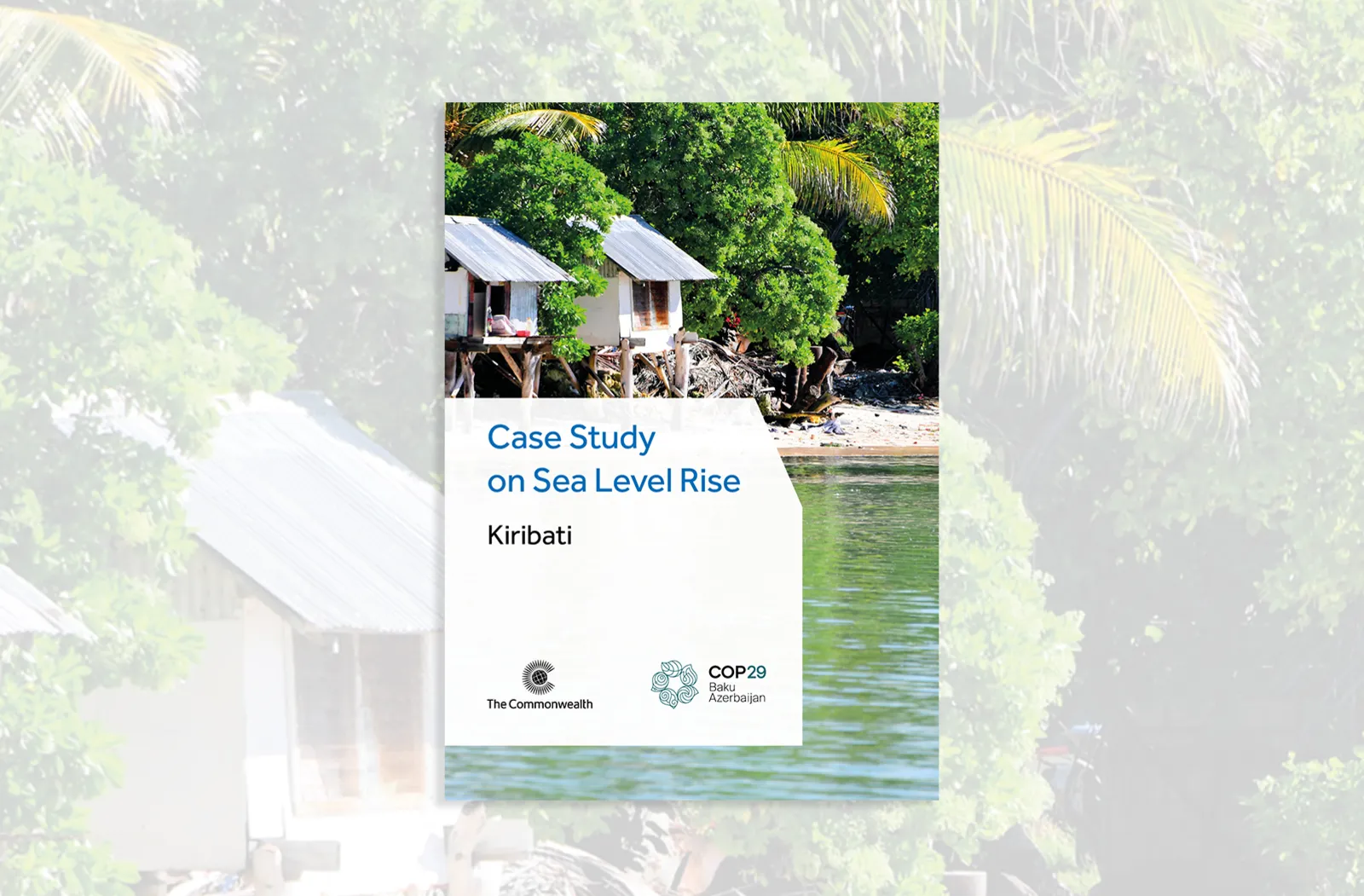
Kiribati began engaging with climate change adaptation in the mid-1990s, following its ratification of the United Nations Framework Convention on Climate Change in 1995, and was an early member of the Alliance of Small Island States. Early assessments highlighted the potential economic consequences of climate change: a World Bank-funded vulnerability and adaptation study undertaken around 1999–2000 estimated that, by 2050, in the absence of adaptation, Kiribati could experience economic damage of approximately US$8–16 million per year, equivalent to 17–34 per cent of its 1998 gross domestic product.
This case study highlights the importance of government ownership, strong institutional capacity, sound policies donor co-ordination and improved aid agency practices as essential preconditions for effective adaptation.
While Kiribati’s early engagement with adaptation planning is commendable, the evidence suggests that sustained, locally led capacity development, and improved co-ordination between donors and the government, remain critical to the long-term success of adaptation programmes.