

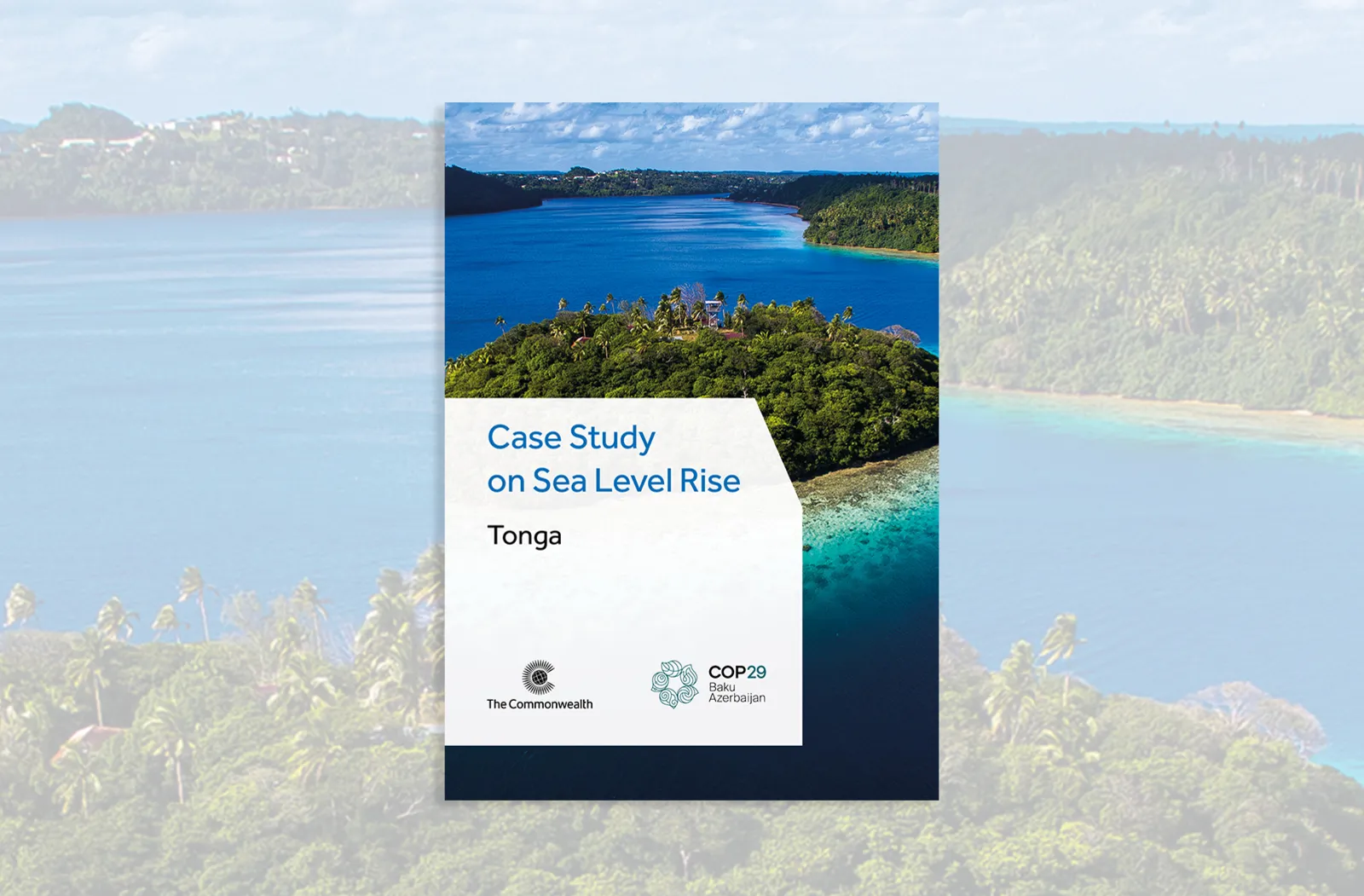
This case study examines the impacts of sea level rise on Tonga and assesses the effectiveness of climate change adaptation measures implemented under the country’s Joint National Action Plan 2 on Climate Change and Disaster Risk Management (2018–2028). Tonga, ranked as the second most at-risk country for natural hazards in the 2017 World Risk Report, has faced sea level rise of 7.3 millimetres (mm) per year since 1993, more than twice the global average of 3.2mm per year. With 80 per cent of its population and critical infrastructure located within 1 kilometre (km) of the shoreline, the urgency for effective adaptation is paramount.
The study finds that significant progress has been made in implementing adaptation measures, including the establishment of the Tonga Climate Change Trust Fund, the first such fund in the Pacific region, and the launch of the Climate Change Portal in March 2021. The JNAP 2 identifies six priority objectives centred on mainstreaming
climate resilience, building response capacity, implementing on-the-ground resilience actions and securing sustainable climate finance.
However, challenges persist. Financing remains a significant barrier to the pace of implementation. Stakeholder feedback indicates gaps in public awareness, insufficient resources reaching local communities and limited private sector engagement. The COVID-19 pandemic and the catastrophic Hunga Tonga– Hunga Ha’apai volcanic eruption and tsunami of January 2022, which caused damages equivalent to more than 36 per cent of gross domestic product (GDP), have further compounded economic pressures and underscored the urgency of adaptation efforts.
Key recommendations arising from the study include strengthening education and awareness raising across all sectors, fostering active private sector participation, making greater use of technology for planning and monitoring, deepening meaningful community engagement beyond consultations, and promoting new livelihood opportunities through ecosystem-based adaptation measures such as mangrove nurseries and honey production.