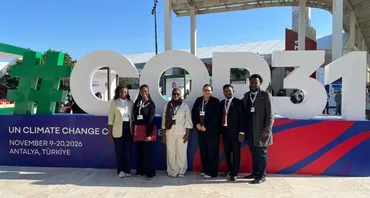


Commonwealth Secretary-General Shirley Botchwey's written statement to the High-Level Segment of the 2026 United Nations Climate Change Conference – COP 31 on 16 November 2026.
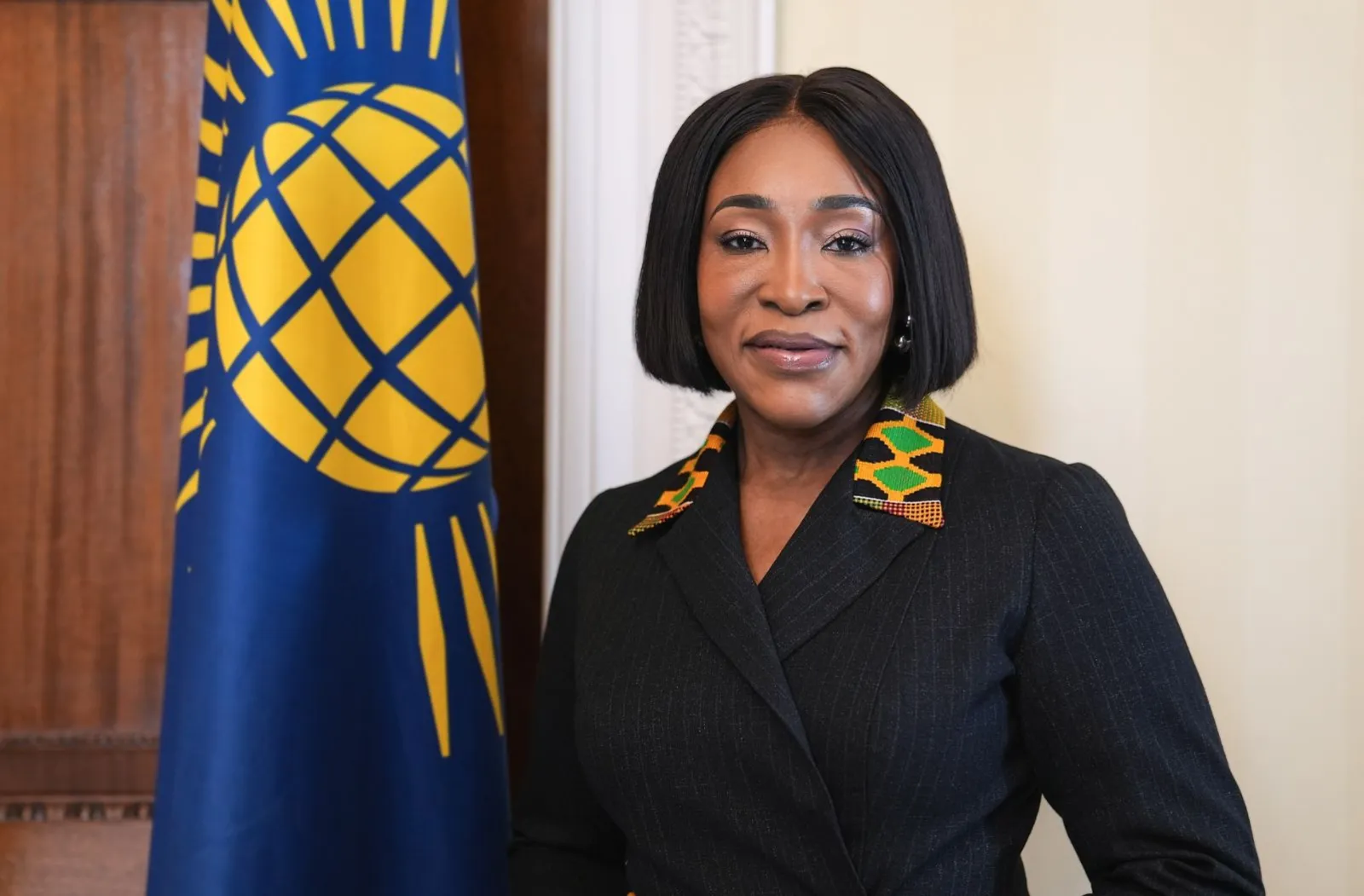
On behalf of the Commonwealth’s 56 member countries and 2.7 billion people, I thank the Government of Türkiye for hosting COP31, and the Government of Australia for presiding over these negotiations.
We are at a crucial juncture in our collective global efforts to address the threat of climate change and to restore trust in multilateral cooperation. A COP’s success depends on the action it brings about. COP31 must therefore both take stock of the commitments which Parties have made in their NDCs and assess whether cooperation on finance and technology is helping to turn those commitments into tangible results.
Commonwealth countries have shown pioneering leadership in climate advocacy and negotiations. In 1989, Commonwealth leaders adopted the landmark Langkawi Declaration on the Environment, helping to build momentum for the UNFCCC negotiations. At this year’s Commonwealth Heads of Government Meeting in Antigua and Barbuda, leaders reaffirmed their commitment to the UNFCCC and the Paris Agreement, reflecting equity and the principle of common but differentiated responsibilities and respective capabilities. They also committed to keeping 1.5°C within reach, and to moving from ambitious targets to impactful delivery at scale.
The Commonwealth is well-placed to drive climate action. Member countries bring deep experience in convening climate negotiations: five COPs have been hosted by Commonwealth members. This year, the pre-COP was jointly hosted by Fiji and Tuvalu, and Australia is COP31 President of Negotiations – all Commonwealth members.
Our association brings together countries from the Pacific, Asia, Africa, Europe, the Caribbean and the Americas. Its 56 members represent a broad span of development stages, economies, resources and climate vulnerabilities. They range from four of the world’s largest economies to 25 small island developing states and 33 small states, and from large oil and gas producers to large consumers.
Members bring different perspectives to the UNFCCC process and engage across negotiating blocs. This diversity allows the Commonwealth to build bridges across blocs and help find common ground.
The Commonwealth has a particular interest in the ocean–climate nexus. Nearly 50 member countries are coastal states, including our 11 Pacific members. The Taku Pakasoa Declaration, adopted at the pre-COP, speaks to the common threats faced by small island developing states across the Pacific, Indian and Atlantic Oceans and the Caribbean.
Pacific leaders have helped shape global discussion on ocean governance and sustainable ocean development. At the Samoa CHOGM, Commonwealth leaders adopted the Apia Ocean Declaration. This affirmed that maritime zones established in accordance with UNCLOS should remain in place despite climate-related sea-level rise. Commonwealth countries have helped to bring this issue into the COP negotiations.
Commonwealth countries have also launched plurilateral climate initiatives, including the International Solar Alliance, the Leadership Group on Industry Transition and the Global Biofuel Alliance. Environmental resilience is one of the three pillars of the Commonwealth’s five-year Strategic Plan, reflecting its central importance to our work supporting members to turn global commitments into practical, country-led action.
Since 2016, Commonwealth climate finance advisers have helped build national and regional capacity to access climate finance, especially for adaptation in Pacific island states. Working with partners, including the COP29 Presidency, the Secretariat also helps mobilise grants and technical support for climate projects, particularly in small states.
The Secretariat supports implementation of the Apia Ocean Declaration and the BBNJ Agreement, and trains young climate negotiators with support from the COP31 Presidency. Through programmes including the Commonwealth Blue Charter, the Living Lands Charter and the NDC Programme, it supports work on oceans, land, energy and gender-responsive climate action. It also helps prepare investable climate projects and connect them with potential investors. Through Space4Resilience, the Commonwealth is bringing together space-based observation, data analytics and AI to support disaster resilience.
The recent CHOGM in Antigua and Barbuda brought leaders and investors together to accelerate partnerships for collective climate action. The Commonwealth Nature Initiative was announced with a US$202.2 million pledge towards the 30x30 target. The Green Climate Fund also announced a US$42 million programme to build resilience in coastal communities in five Commonwealth Caribbean countries, developed with technical support from the Commonwealth Climate Finance Access Hub.
The Commonwealth Investment Platform now connects investors with bankable projects, including climate projects. The Sustainable Markets Initiative advanced a proposed reinsurance vehicle offering protection in the event of a catastrophe.
The Commonwealth calls for climate action that advances equity and a just transition. This will require much greater concessional finance from multilateral development banks, allocated according to vulnerability as well as income. It will also require a fully operational Fund for responding to Loss and Damage, and more climate-linked debt instruments that protect fiscal space when disaster strikes.
Commonwealth leaders have also called for the rapid scaling up of renewable energy, electrification and resilient infrastructure, including grids and energy storage. These investments are essential to energy security.
COP31 has the potential to deliver fair and ambitious outcomes that turn commitments into results for the countries and communities that need them most. I wish you well in your deliberations.
Thank you.