

By Dr Deepa Pullanikkatil, Mr Mxolisi Sibanda and Dr Laila Shahzad
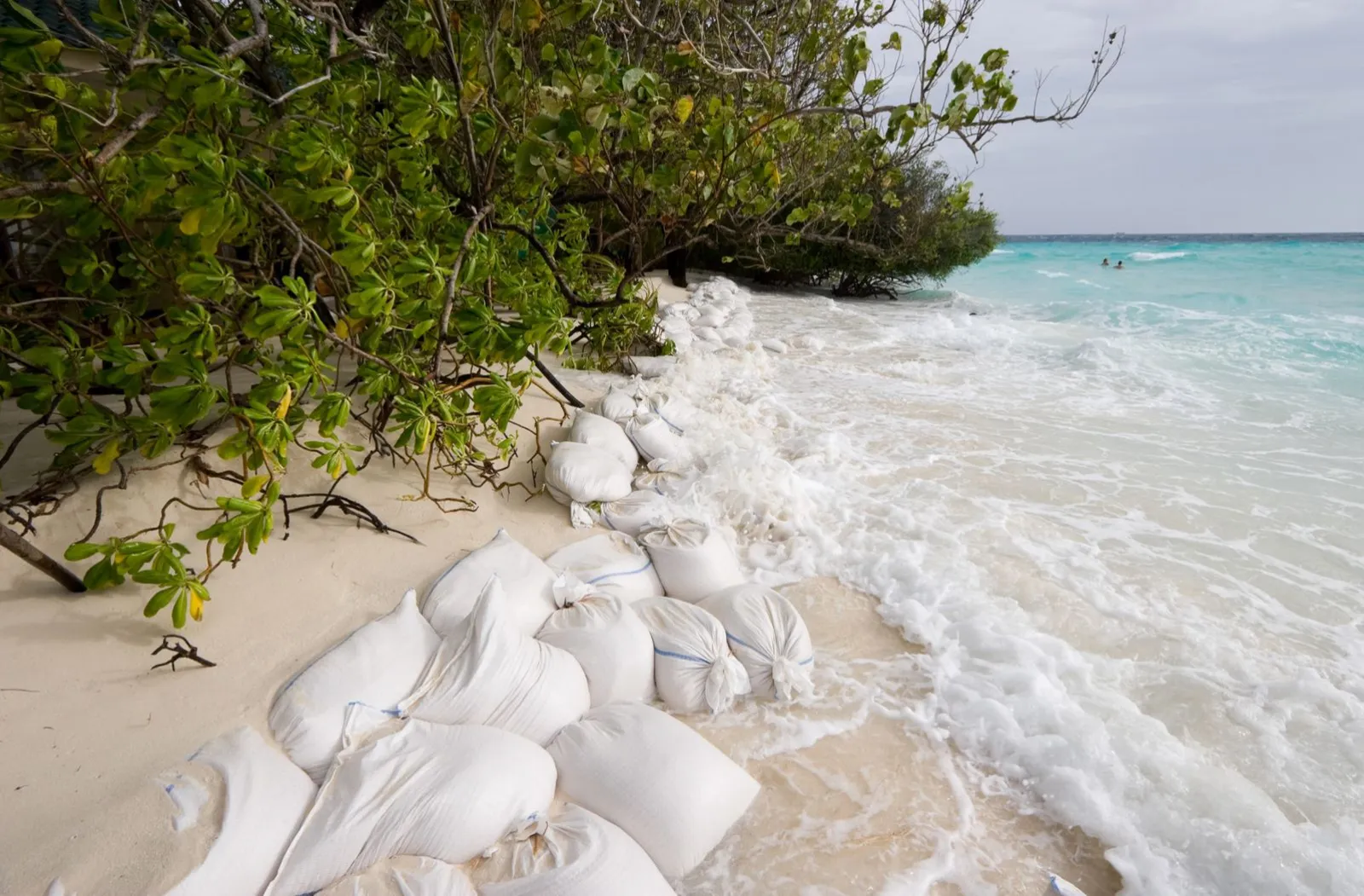
From the Amazon rainforest to the mangrove-lined shores of small island states, healthy ecosystems protect communities from the worsening impacts of climate change. Forests, wetlands, mangroves and watersheds store carbon, reduce flooding and erosion, protect biodiversity, and sustain food, water and livelihoods. Yet these natural systems are being degraded when they are needed most.
The 31st United Nations Climate Change Conference (COP31) takes place at a critical moment for global climate action. When countries gather in Antalya, Türkiye, the challenge will not be a lack of commitments. It will be turning existing promises into practical action that delivers measurable benefits for people and the planet.
Presented as an “Implementation COP” and a “COP of the Future”, COP31 offers an opportunity to connect efforts to address climate change, biodiversity loss and desertification, three interlinked crises that are still too often tackled separately.
For COP31 to fulfil its implementation mandate, countries must integrate nature-based solutions into national plans, public budgets and investment pipelines. As the culmination of the 2026 triple-COP sequence, COP31 in Antalya provides a strategic opportunity to build on the outcomes of UNCCD COP17 in Ulaanbaatar, Mongolia, and the anticipated outcomes of CBD COP17 in Yerevan, Armenia, translating political momentum for Rio Convention synergies into coordinated, country-led implementation across climate, biodiversity and land agendas.
The evidence is compelling. Mangroves store carbon and protect millions of people, yet many are at risk of collapse. Forests face a substantial financing gap, while global financial flows that harm nature continue to exceed investment in nature-based solutions. This exposes a central contradiction: governments increasingly recognise nature as essential climate infrastructure, but financing continues to favour activities that harm it.
COP31 will not begin with a blank page. COP30 in Belém strengthened attention to forests, adaptation finance and Indigenous stewardship. The task for Antalya is to convert that momentum into delivery by establishing how commitments will be financed, implemented and measured.
Through its Climate Change Programme, the Commonwealth Secretariat supports member countries in translating these global commitments into coordinated, country-led action. The Commonwealth Living Lands Charter, adopted by Commonwealth leaders in 2022, provides a framework for advancing the objectives of the three Rio Conventions on climate change, biodiversity and desertification. Restoring mangroves, watersheds or forests can help countries advance national climate commitments, adaptation plans, biodiversity strategies and land restoration targets through integrated interventions. Within the programme, the Commonwealth Climate Finance Access Hub (CCFAH) provides country-level technical assistance to help translate these objectives into practical, investment-ready interventions. This integrated approach strengthens the Commonwealth's contribution to COP31 discussions on implementation and coherence.
Fiji provides a practical example of this approach. Through CCFAH, the Commonwealth National Climate Finance Adviser in Fiji supported work on the project Strengthening the Adaptive Capacity of Coastal Communities of Fiji to Climate Change through Nature-Based Seawalls. The project will support 14 vulnerable coastal communities through mangrove and vetiver planting, alongside natural shoreline structures, to reduce erosion and protect communities from sea-level rise and storm surges. This illustrates how CCFAH's technical assistance can advance the Living Lands Charter's objectives through nature-based adaptation.
The Zambezi River Basin shows why this approach must also extend across national borders. Shared by eight countries, the basin supports food, water, energy, biodiversity and livelihoods across southern Africa. Coordinated efforts to protect wetlands, restore degraded catchments and improve water management can strengthen resilience while advancing national and regional priorities.
To place nature at the heart of implementation, countries meeting in Antalya should align climate, biodiversity, land and development priorities so that integrated programmes can deliver across several commitments. They should move beyond isolated projects by establishing clear baselines, measurable outcomes, safeguards, community roles and long-term financing plans. Crucially, finance and decision-making power must reach Indigenous Peoples, local communities and the institutions responsible for managing ecosystems.
COP31 does not need another collection of disconnected nature commitments. Success should be judged by a simple test: has nature moved from declarations into budgets, investment plans and funded programmes?
Belém raised ambition. Antalya must turn it into delivery.
Media contact
Suné Kitshoff
Senior Communications Officer
T: +44 7740 450 901 | Email our media contact Suné Kitshoff