

The 31st Conference of the Parties of the UNFCCC, more commonly referred to as COP31, will be held from 9-20 November in Antalya, Türkiye.

A collaborative approach to negotiation and action
COP31 in Antalya, Türkiye represents a significant turning point in the UNFCCC process as the focus shifts from negotiating commitments towards accelerating implementation, delivery, accountability and measurable outcomes. Under the innovative Türkiye-Australia partnership model, Türkiye will host COP31, lead the Presidency and Action Agenda, while Australia will serve as President of Negotiations, guiding the formal negotiation process and supporting consensus-building among Parties. The Presidency has framed COP31 as a "COP of the Future", guided by the principles of Dialogue, Consensus and Action, with a strong emphasis on turning commitments into practical and scalable outcomes.
As the Commonwealth we will continue to advocate for international finance institutions to be fit-for-purpose, calling for affordable, accessible, and sustainable climate finance in the face of climate change.
Increasing investment in small and other vulnerable states
Climate action is not only an environmental imperative, but a foundation for economic resilience, investment, energy and food security, public health, sustainable livelihoods and shared prosperity.
Building on the Commonwealth Heads of Government Meeting 2026 theme, “Accelerating Partnerships and Investment for a Prosperous Commonwealth”, climate action offers opportunities to mobilise investment, expand renewable energy, create green employment, strengthen national institutions and protect the natural assets on which communities and economies depend.
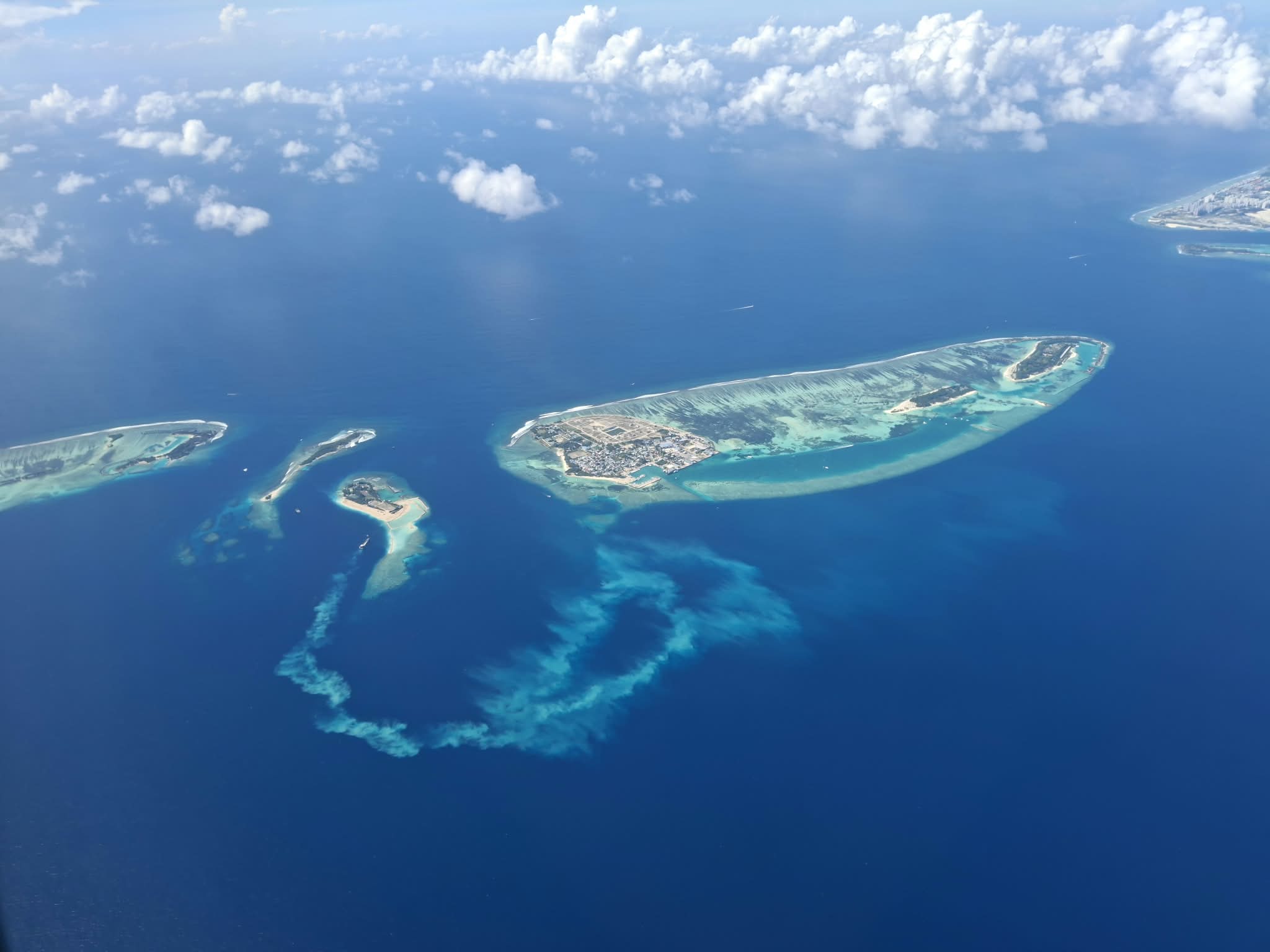
Real problems, real solutions
Our multidisciplinary work to support member countries on climate change includes programmes on climate finance, youth and gender, climate law, energy transition, land-based solutions, climate-resilient agriculture, human rights and ocean governance.
Commonwealth Secretariat at COP31
The Commonwealth Secretariat delegation will be:
- following the negotiations
- advocating for the interests of member countries, especially small and vulnerable states
- exchanging knowledge and best practice
- establishing and strengthening partnerships and networks, and
- mobilising resources.
Commonwealth Secretariat Official Joint Side Event with The Gambia and Maldives
The Commonwealth Secretariat’s official joint side event is titled “Building Investment Pipelines: Mobilising Public and Private Capital for Resilient Development”. It will be held on Tuesday, 17 November, 18:30–20:00 GMT+3, in Side Event Room Blue of the UNFCCC Blue Zone.
The event focuses on helping countries translate NDCs, NAPs and resilience priorities into investment-ready projects that can attract climate finance and accelerate implementation and will showcase Commonwealth experiences, highlighting the role of the Commonwealth Climate Finance Access Hub (CCFAH) in strengthening institutional readiness, developing project pipelines, and mobilising public and private investment for adaptation and loss and damage action.
We need to translate our commitments into tangible investments
At COP31, we will advocate for our member countries, especially small and vulnerable countries, to have improved adaptive capacity and reduced vulnerability to climate shocks, expanded and equitable access to clean and affordable energy, and the ability to more sustainably manage their oceans and natural resources.
Our Strategic Plan 2025–2030, sets out a clear and practical vision of how our work will lead to impact, with environmental resilience one of our three main areas of focus.
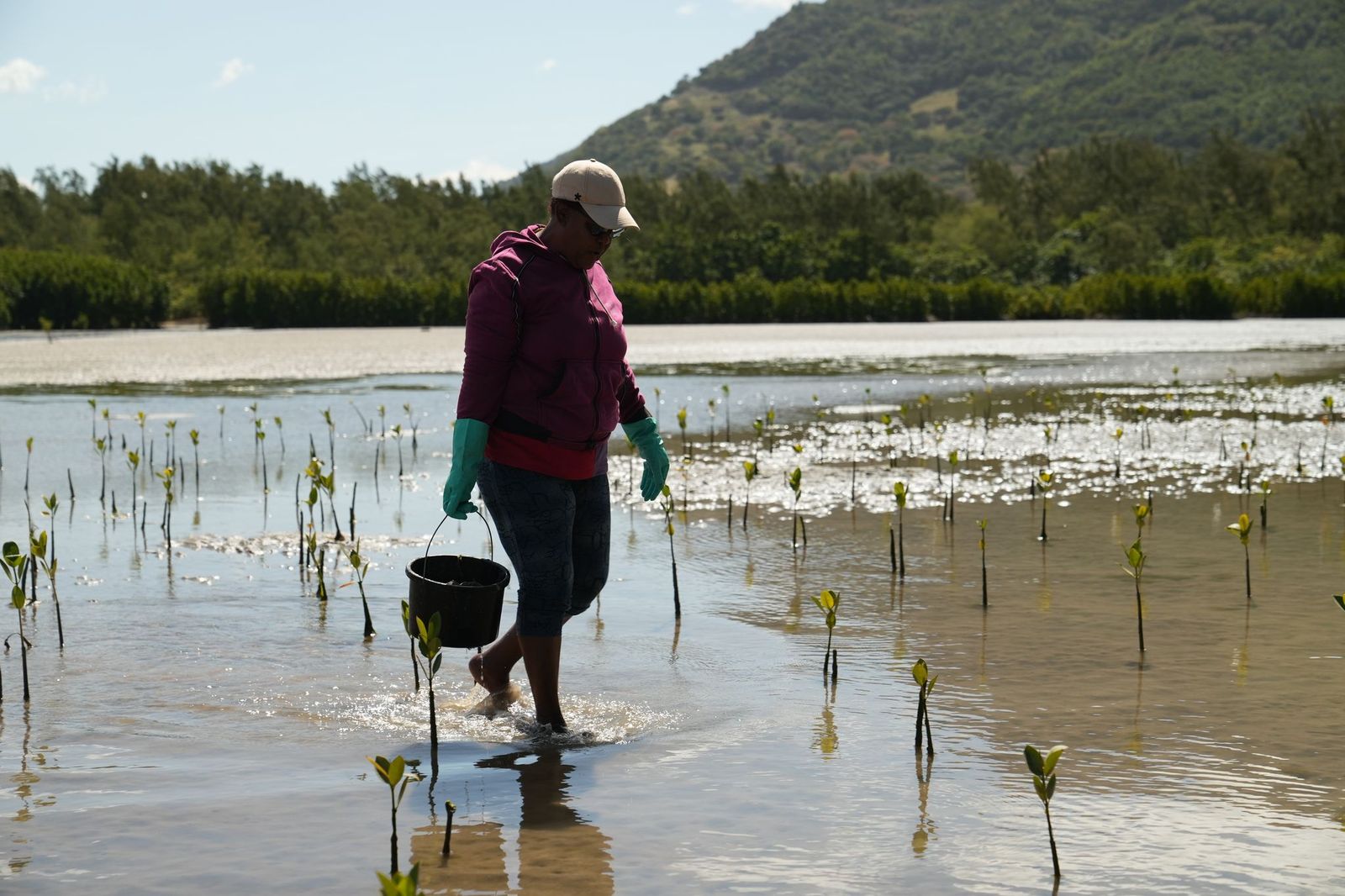
Watch ‘The tree of life’: Mangroves protect coastlines and communities in Mauritius
In the coastal waters of Le Morne, Mauritius, resilience is being planted one seedling at a time. Here, the local community is leading mangrove restoration, carefully planting young mangroves that will help protect their coastline for generations to come. The project has already restored more than seven hectares, with around 70,000 mangrove seedlings planted.
As these mangroves grow, their intricate roots bind and stabilise the soil, reduce coastal erosion and help absorb the energy of waves and storm surges. They also create vital habitats for marine life, support biodiversity and store carbon, delivering benefits for both people and nature. Unlike fixed coastal infrastructure, mangroves are living systems that adapt to tides, water movement and changing coastal conditions. Their restoration also draws on local knowledge, community stewardship and the leadership of women who are directly contributing to the protection of their environment and livelihoods.
The Commonwealth Climate Finance Access Hub
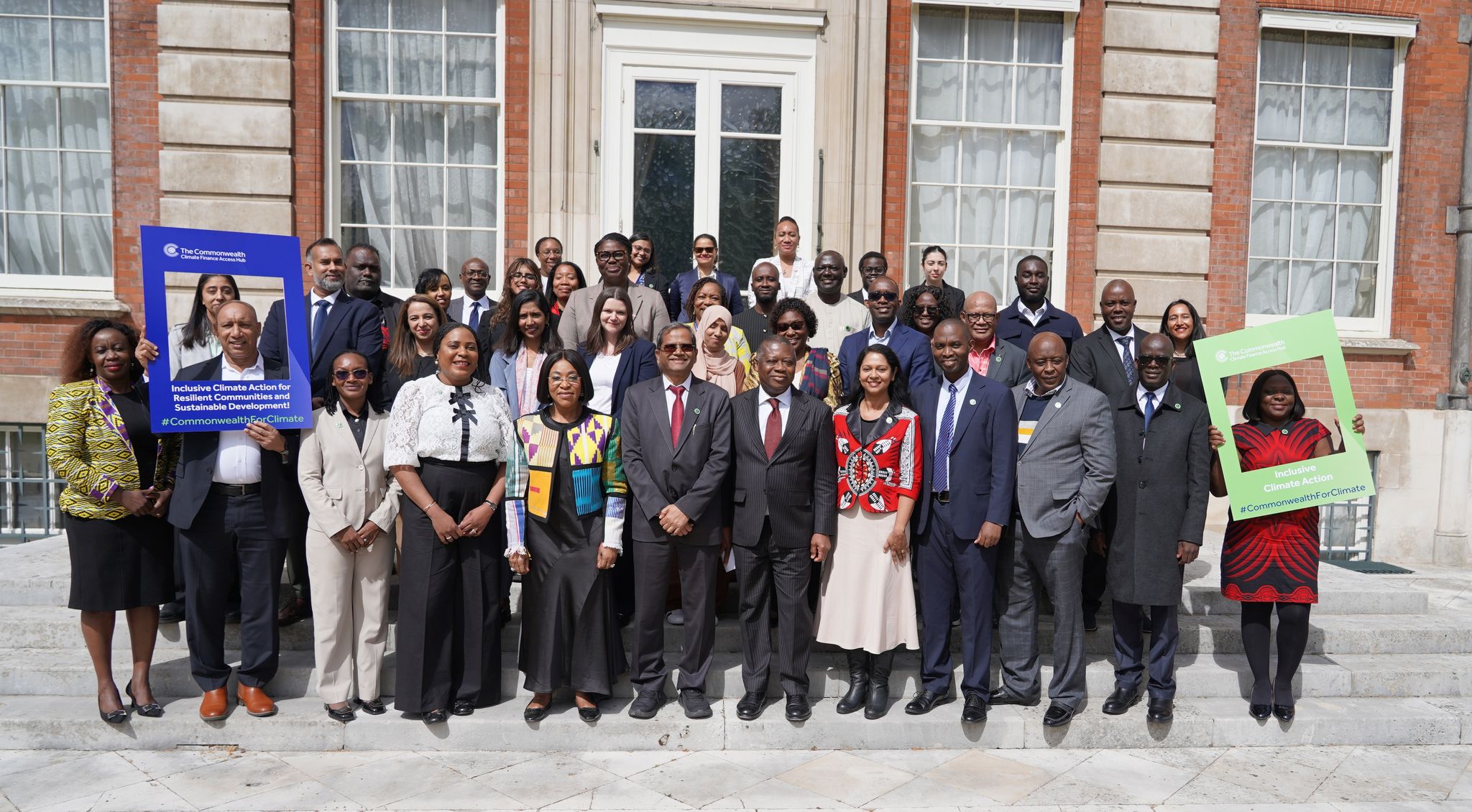
Access to Climate Finance is only the first step for countries to build long-term, sustainable, investable pipelines of projects. Since becoming operational in 2016, our Commonwealth Climate Finance Access Hub and our advisers, posted around the Commonwealth and embedded in government departments, have worked with government officials to unlock more than US$644 million in climate finance and trained over 4,000 officials to strengthen skills and build increased capacity.
Find out how we support member countries to protect their environments and use their natural resources sustainably.