



This forthcoming issue of the CCJ, now calling for papers, will respond to the rapidly evolving cybercrime and cybersecurity threat landscape: the rise of AI-enabled cyberattacks, the expansion of cyberwarfare capabilities, the proliferation of ransomware-as-a-service (RaaS), the increasing exploitation of supply chain vulnerabilities, and escalating threats to critical infrastructure.
Collectively, these trends are driving unprecedented financial losses and large-scale data breaches worldwide.
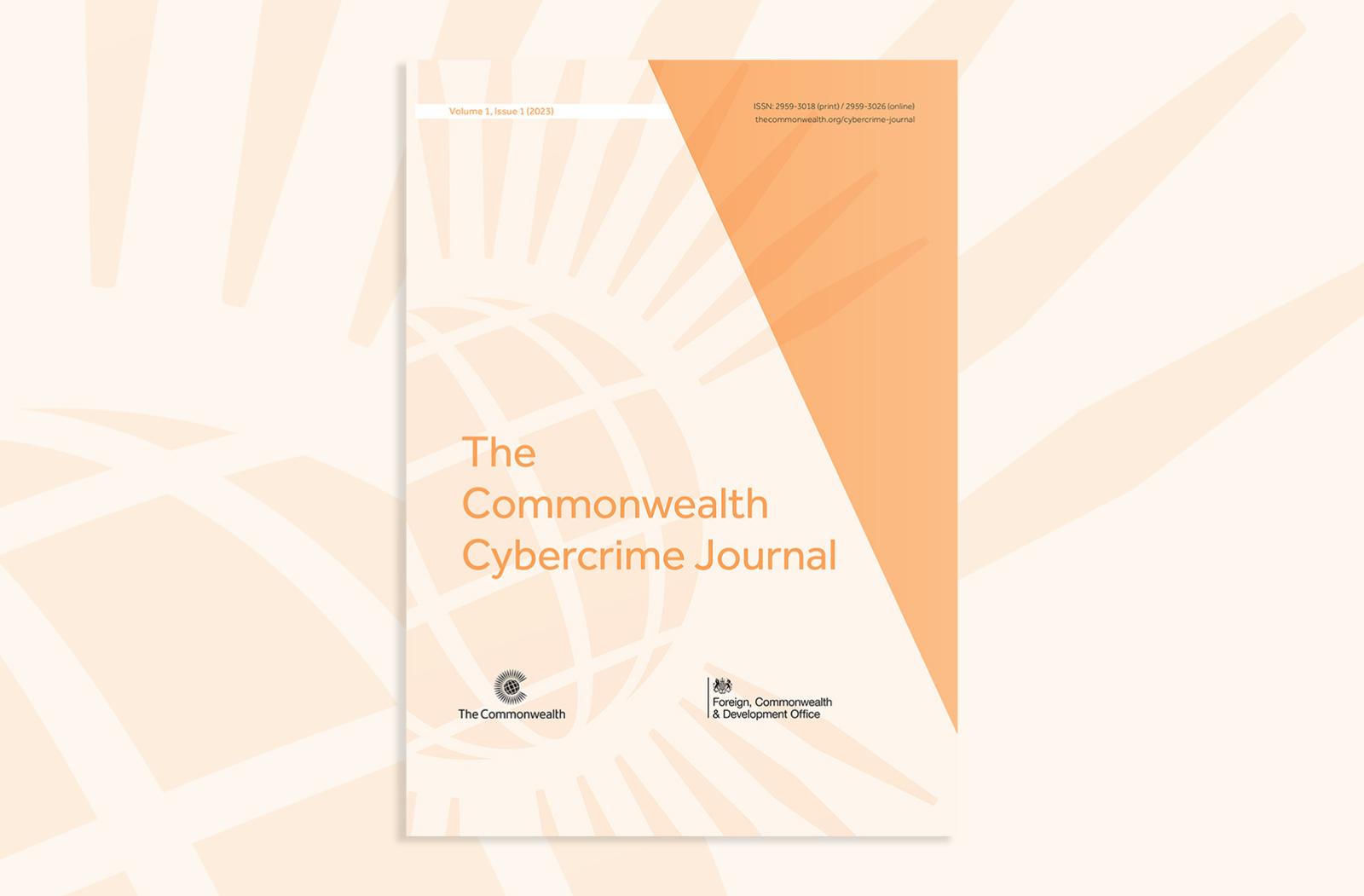
Call for papers, Volume 4: 'Contemporary threats in cybercrime and cybersecurity’
The editor invites contributions from academics, policymakers, practitioners and technical experts that critically examine these developments and the legal, policy, institutional and multilateral responses required to address them.
Submissions should aim to strengthen democratic resilience and align with the priorities outlined in the Commonwealth Strategic Plan 2025–2030.
Document
Article topics
Articles on the following topics and related issues are invited, though please note that this list is illustrative rather than exhaustive.
AI and emerging technology threats
- AI-powered cyberattacks and autonomous threat actors
- generative AI and synthetic media in cybercrime
- AI as a tool for cyber defence and threat detection
- exploitation of legitimate AI platforms by malicious actors
Ransomware, extortion and cybercrime ecosystems
- RaaS and extortion-only models
- cybercrime-as-a-service and underground criminal marketplaces
- cybercrime and the digital economy, including digital currencies
- phishing, social engineering and credential theft at scale
Infrastructure, state threats and geopolitics
- cyberwarfare, state-sponsored attacks and hybrid threats
- threats to critical national infrastructure
- supply chain vulnerabilities and third-party risk
- internet-of-things security and connected device vulnerabilities
- cybersecurity in elections and democratic processes
- zero-day exploits and vulnerability management
Legal, policy and rights frameworks
- privacy, data protection and WHOIS access for investigations
- electronic evidence, open-source evidence and admissibility
- international legal frameworks and cross-border co-operation
- cybersecurity workforce gaps and capacity building
Crimes against persons online
- technology-facilitated violence against women
- online child exploitation and abuse
- online fraud, scams and consumer harm
- information disorder
Submission timeline
- Abstract submissions due (maximum 500 words): 20 July 2026
- Abstract acceptance notifications issued: 7 August 2026
- Full draft papers due (5,000–7,000 words): 16 October 2026
- Editorial decisions communicated to authors: 13 November 2026
- Review and revision process: 21 December 2026
- Publication: February 2027
Guidelines for authors
Following the review of abstracts, selected authors will be invited to submit a full paper.
Abstracts, along with author biographies/CVs and contact details, should be submitted to Dr Nkechi Amobi at [email protected] and [email protected].
Full papers must include a short abstract summarising the main content and argument of the paper, and a brief biography of the author(s) (one to two sentences per author), including current position, institutional affiliation and email address.
Articles must be submitted in Microsoft Word format, using 12-point Trebuchet MS font, with justified alignment and 1.5-line spacing. All submissions must use the Harvard author–date referencing style consistently throughout.
For editorial enquiries, please contact the CCJ editorial team via the submission email addresses above.
See previous issues of the CCJ: Volume 1 | Volume 2 | Volume 3