



These Principles and accompanying Model Law serve as non-binding benchmarks designed to assist smaller jurisdictions to review and modernise their Defence Acts which, in many cases, have remained unchanged since they became independent states.
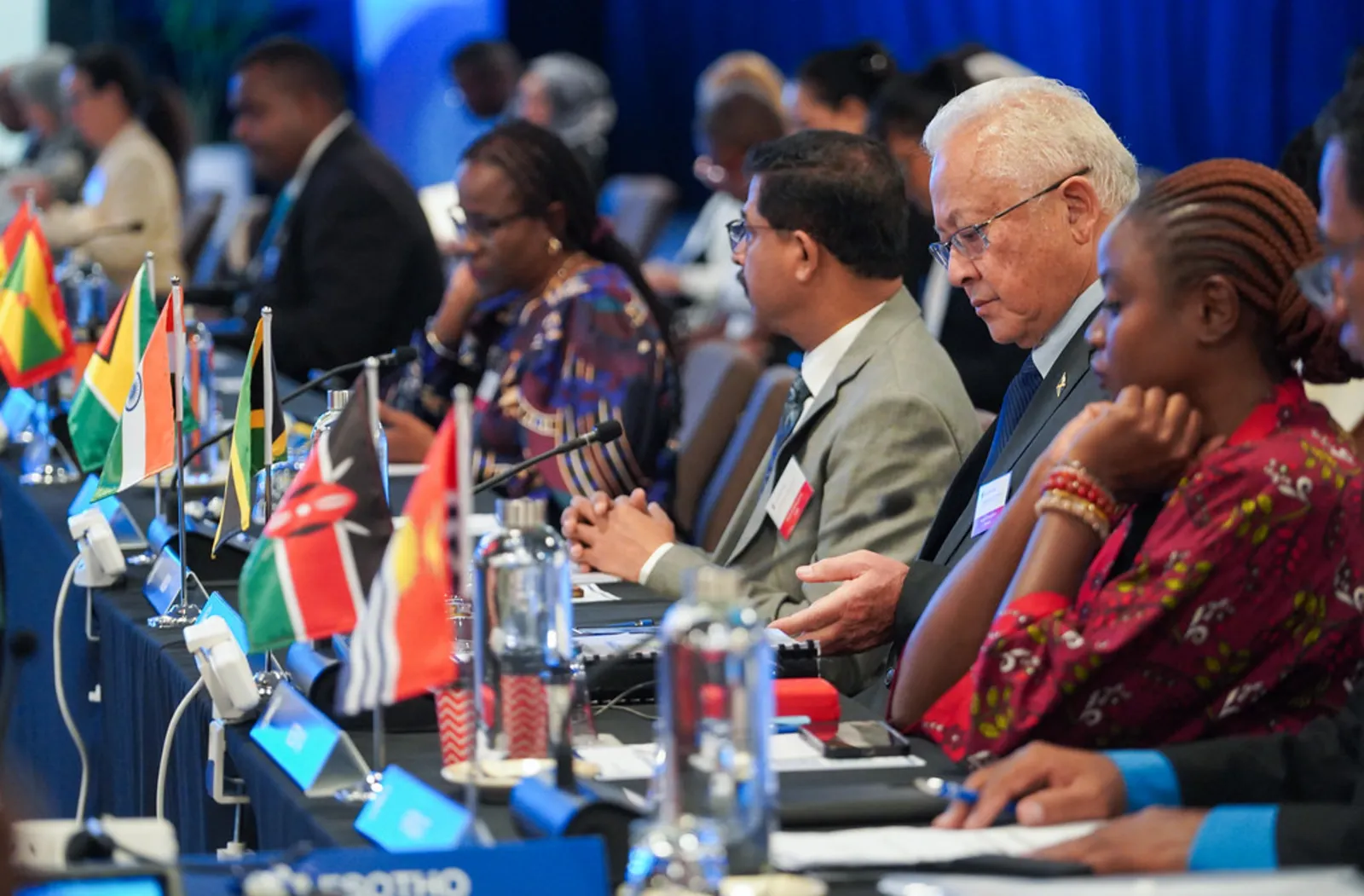
Law Ministers from across the Commonwealth have adopted the Commonwealth Military Justice Principles and Model Law for Smaller Armed Forces, following high-level deliberations at the 2026 Commonwealth Law Ministers Meeting (CLMM), held in Fiji from 9 – 12 February 2026.
The Principles encourage harmonisation with international humanitarian and human rights law, and they underscore the importance of an independent and impartial system of military justice. This includes ensuring that judicial processes are free from interference or pressure from any other branch of government, consequently safeguarding the proper administration of justice.
Strengthening justice systems across member countries
The endorsement of the Principles and Model Law at CLMM aligns with the Commonwealth Secretariat’s 2025–2030 Strategic Plan, advancing its commitment to democratic resilience and strengthening justice systems across member countries.
For smaller Commonwealth jurisdictions, where institutional and financial resources are often limited, model legal frameworks provide a practical blueprint for reform. By providing these Principles and Model Law, member countries reduce the legislative burden on governments while delivering significant savings in both cost and time. This in turn ensures their legal systems remain robust, fair, and aligned with international standards.
Dr Elizabeth Macharia, Acting Head of the Commonwealth Secretariat’s Rule of Law section, highlighted its importance for small Commonwealth countries:
“For small armed forces, adopting the Commonwealth Military Justice Principles and Model Law is more than a legal update, it is an act of democratic resilience. By aligning military administration and discipline with international human rights standards and best practice, Ministers are securing the rule of law.
“The Military Justice Principles and Model Law guarantee that every service member is protected by due process, transforming the military from a mere instrument of force into a professional institution rooted in accountability. Ultimately, well governed armed forces and fairer military courts are a cornerstone of stable, modern democracies.”
Commonwealth’s ongoing work on justice reform
The Military Justice Principles and Model Law marks a significant milestone in the Commonwealth’s ongoing work on justice reform. This initiative began in earnest following the 2022 CLMM, when Law Ministers formally mandated the Commonwealth Secretariat to develop the project.
Significant work was undertaken on the Principles, beginning with the establishment of a dedicated Working Group of military justice experts to consider and draft the framework. The group was coordinated and led by Mukhtar Adesunkanmi, Political Officer at the Commonwealth Secretariat, and included His Honour Judge Alan Large, Judge Advocate General of the UK Armed Forces, who contributed his expertise pro bono, along with Francisca Pretorius, who served as a consultant. Together with other experts, the Working Group agreed on a draft set of ten principles in Stellenbosch, South Africa, in November 2023. Those Principles were further refined by a Commonwealth Working Group, with representatives from all interested states.
His Honour Judge Alan Large underscored the significance of the Commonwealth Military Justice Principles and Model Law, stating:
“This endorsement by Commonwealth Law Ministers marks a decisive step toward strengthening the rule of law across our armed forces. An independent, impartial military justice system is essential for the safeguarding of democratic governance and upholds public confidence in the forces that protect our countries.
“I am particularly grateful to the Working Group of Experts and the Commonwealth Working Group, whose dedication made this project possible.”
From principles to practice
With Commonwealth Law Ministers backing the Military Justice Principles and Model Law, the implementation phase of the Military Justice Transformation Project will now commence. This phase will focus on providing practical support to Commonwealth countries seeking assistance in developing or updating their legislation, as well as delivering related capacity-building and training. This new stage marks a shift from consensus on standards to action in support of member countries that wish to engage further.