



2.1 Background
The court structure operated within a rigid civil–criminal classification, and family matters, such as divorce, custody, maintenance and domestic violence, were handled across disparate courts, often within the same physical and procedural spaces as criminal trials. This blending of case types exposed vulnerable parties to additional trauma and insecurity, particularly in domestic violence cases, where battered spouses might be forced to share courtrooms or waiting areas with their abusers without any safeguards in place.
The courtrooms, workflows and institutional processes were not designed to accommodate the therapeutic, non-adversarial handling that family cases require. Judges and staff had not been trained in handling family law matters or child psychology, and there was no dedicated space for private consultations or child-friendly accommodations. As a result, litigants experienced confusion, intimidation and distress, and court operations suffered from inefficiencies, delays and a general lack of co-ordination. Shared infrastructure such as information and communication technology (ICT) systems and public spaces further strained the ability to deliver timely and appropriate outcomes in these matters.
The adversarial and legalistic nature of the proceedings compounded the problem. Lawyers, influenced by combative civil litigation norms, often exacerbated tensions rather than facilitating reconciliation. As a result, the courtroom became a site of emotional escalation rather than conflict resolution. Families were frequently involved in multiple cases across several courts, facing logistical and emotional challenges in accessing unco-ordinated services from geographically dispersed agencies.
This troubling state of affairs was sharply recognised by then Chief Justice, the Honourable Mr Justice S Sharma, in his 2003–2004 Law Term address.1 He lamented the dysfunction of the Matrimonial Proceedings and Property Act and the failure of existing rules to achieve conciliatory outcomes.
‘Over the years, experience has shown that the matrimonial rules, which underpinned the Matrimonial Proceedings and Property Act Ch. 45:51, had fallen woefully short of the intended objectives. Instead of promoting conciliation and settlements in the family unit, matters turned out to be bitter, hostile and acrimonious... The real disputes between the parties were often lost in legal entanglement, and high posturing between their lawyers, which often infected the parties.’
Justice Sharma also highlighted systemic delays and inefficiencies, especially in the Port of Spain Matrimonial Chamber Court, where a four-month wait was typical just to obtain a first hearing. Adjournments were frequent and the cumulative delay made the justice process disheartening for many families. He firmly declared the need for a Family Court, describing its creation as essential to ensuring ‘an expeditious, efficient, and fair disposition of family litigation’ due to its deep societal implications.
The need for reform stemmed from a range of entrenched issues within the family justice system, including the following.
- A significant backlog and procedural delays in the High Court.
- An adversarial culture that promoted hostility over resolution.
- Lack of access to integrated social services, leaving root issues unresolved.
- Rising domestic violence incidents with inadequate protective infrastructure.
- Non-conducive, high-stress environments for handling sensitive family disputes.
- High caseloads that prevented adequate attention to individual family cases.
- Fragmented handling of child-related matters, including abductions.
The groundwork was thus laid for the Family Court pilot of 2004, which sought to reimagine the justice system’s approach to family matters, placing emphasis on rehabilitation, support and resolution rather than legalism and conflict.
2.2 The Family Court Pilot Project (2004–2016)
In 2003, the Family Court Committee (‘the Committee’), tasked with designing a court structure tailored to the needs of Trinidad and Tobago, recommended the establishment of a well-resourced, dedicated pilot Family Court. This pilot was to incorporate key elements of an IFC, with social services integrated as a core component of its structure.
The Committee proposed that the pilot embody five essential characteristics of an IFC.
- Broad and specialised jurisdiction
- Co-ordinated services
- Trained and sensitised judicial and support personnel
- Access to court-related services such as mediation and counselling
- The strategic use of technology
While the ideal IFC model was envisioned to cover a wide range of matters, including matrimonial disputes, domestic violence, juvenile delinquency, substance abuse, child protection and other family crisis issues, the Committee recommended that the initial Port of Spain pilot exclude juvenile court jurisdiction – that is, cases involving children charged with criminal offences. It was also agreed that the pilot would not exercise criminal jurisdiction, except for breaches of domestic violence orders in cases already before the court.
The Committee provided detailed guidance on the categories of matters envisioned for the Family Court.
- Matrimonial matters. These include divorce, division of matrimonial property, ancillary relief, separation, annulment, custody, visitation rights, child maintenance and alimony.
- Domestic violence cases. These involve temporary injunctive relief and contempt proceedings for breaches of protection orders.
- Child protection. These cases involve abuse, neglect, foster care, termination of parental rights and adoption.
- Family crisis cases. These include delinquency proceedings, truancy, runaway and ‘beyond control’ proceedings.
The Committee anticipated that the pilot would serve as a valuable learning model, informing the eventual development of legislation to create a permanent, specialised court with jurisdiction over all family matters and criminal offences involving children under the age of 14.
As stated in its recommendation:
‘On account of the success of the pilot project and lessons learnt, the intention was to establish the Family Court, and to make its services available at several locations in Trinidad and Tobago. The objective was for all family matters exercisable by the High Court and the Magistrates’ Court to be exercisable in the Family Court and all the essential elements and resources appropriate to the operation of a Family Court be combined into one entity including a social service unit, a mediation unit and such other units and services as are critical to the resolution of a family’s problems...’
This vision for national expansion was rooted in the pilot’s broader ambition, not simply to trial a dedicated Family Court structure, but to act as a broad-based testing ground for judicial innovation and systemic reform within the judiciary. At the 10th Anniversary of the Family Court, the former Court Executive Administrator and member of the Family Court Committee reflected on this multi-layered approach and highlighted the breadth of reforms.
‘The pilot project aimed to inform the national design of the Family Court system. In addition to testing the court structure itself, the pilot encompassed a wide range of innovations. These included: court-annexed mediation, full IT integration in a magistrate’s court, digital audio recording, and caseflow management rules. Infrastructure and operational elements were also trialled – such as court finishes, unified court design, colour-coded file folders, streamlined workflows, and records and vault management systems. Further initiatives included enhanced customer service, cash receipt systems, security protocols, a specialised library and intranet, new listing and statistical systems, and improved public education strategies. Importantly, the pilot also tested staff alignment with the court’s underlying philosophy.’2
The integration of IFC features
The Family Court Committee recognised that it was not necessary to adopt all the characteristics of an IFC, but components that were necessary to meet the local context, needs and judicial traditions of the jurisdiction. The five hallmarks that the Committee thought were necessary to employ are discussed below.
Jurisdiction
A Unified Family Court has jurisdiction over matrimonial matters, domestic violence, juvenile delinquency, substance abuse, child protection and family crisis cases. As previously highlighted, it was proposed that the Family Court pilot should not, at that time, absorb the juvenile court jurisdiction, or generally have a criminal jurisdiction, save in respect of domestic violence matters in which there was a violation of order, where it may be appropriate for the breach to be dealt with by the same magistrate who granted the order.
Co-ordination of services
The proposal indicated that the pilot should facilitate the co-ordination and management of the various adjunct agencies that provide services to children and families. The improved co-ordination and management should help make relevant information for decision-making more accessible, and it should encourage the numerous disciplines that work with children and families in the legal system to work together. The co-ordination of services was to be accomplished through a family court manager. The Family Court should have on staff a core of probation/social service personnel.
Judicial and support personnel
The optimal Unified Family Court model has a ‘one judge–one family’ system. It was, however, stated that the ‘one judge–one family’ model was not practical for Trinidad and Tobago. Nonetheless, as far as is possible, judges and magistrates handling some aspects of a family litigation should be made aware of all pending matters in the courts that involve all the family members.
It was recommended that a considerable emphasis be placed on training and continuing education of the judges, magistrates and staff. It was further recommended that the judges and magistrates in the court should always be people with an interest in family work and with an appropriate temperament. They should also remain there long enough to allow them to become knowledgeable about the laws and issues in question and become sensitised to the problems and crises of families in court.
Court-related services
The pilot was intended to have services that included mediation where appropriate, social services liaisons to community agencies, guardianship, probation, volunteer services, community outreach programmes, enforcement of family support, substance abuse counselling and budget management counselling. The Office of the Court was to also serve as liaison to agencies that provide other services such as individual and group counselling, alternative dispute resolution, and forensic psychiatric and crisis intervention services.
Technology
The installation of a uniform shared record-keeping system that is family-based and easily accessible to judges and staff was considered essential. Automated case tracking would facilitate the capability of court staff to track family court cases and produce statistical reports which monitor the status of each case in the pilot.
The case management information system was intended to provide this service by subdividing the matrimonial module to allow a new module for the pilot. It was also recommended that audio digital recording and possibly video recording of evidence and video conferencing should be considered for the pilot.
Several other features were introduced and tested during the Family Court pilot.3
- Court annexed mediation.
- Full information technology in a Magistrates’ Court.
- Audio digital recording with central transcription.
- Physical building features that facilitate maintenance and are suitable for the courts sitting within them.
- Case-flow management rules of courts.
- Multi-door courthouse.
- New streamlined workflows.
Court procedures in family matters
An overview of key reforms to family law procedures based on the Greenslade Report on the Review of Civil Procedure (1998) is presented below. The Greenslade Report advocated for more efficient, co-ordinated and child-focused processes within the family justice system. To support these reforms, procedural guidance was developed for both represented and unrepresented parties (pro se litigants), as well as for matters requiring mediation or social service involvement. Recognising the evolving needs of family justice, new rules were also introduced, most notably the Family Proceedings Rules (1998) and the Children Court Rules (2016). These rules reflect a significant shift toward a more rehabilitative, transparent and child-focused legal system, emphasising access to justice, efficiency and the fair treatment of all parties involved. An organised summary of these procedural reforms is presented below.
The Greenslade Report (1998)
The Greenslade Report on the Review of Civil Procedure (1998), authored by Justice Richard Greenslade under the Judicial Sector Reform Project, highlighted the urgent need for procedural reform within the family jurisdiction of the court system. Among its major recommendations was the establishment of a Family Division, governed by its own set of rules and underpinned by a distinct ethos sensitive to the nature of family law.
A key issue identified in the report was the lack of integration between the divorce process and ancillary matters such as custody and financial arrangements. The divorce procedure was deemed excessively resource-intensive, particularly in light of the minimal real control exercised by the court. Consequently, a more streamlined and co-ordinated system for handling divorce and related matters was proposed.
Family Proceedings Rules (1998) (as of June 2003)
The Family Proceedings Rules of Trinidad and Tobago, introduced as a pilot project in May 2004, were formulated based on the recommendations of the Greenslade Report and subsequent input from the Rules Committee. As outlined by then Chief Justice Michael De La Bastide,4 the goals of these rules, along with the Civil Proceedings Rules 1998, included the introduction of case management, the reduction of time between case initiation and trial, the encouragement of settlements, greater openness in litigation, shorter trials, cost control, reduction of inequality between litigants, procedural simplification, and the use of plain language.
The overriding objective of the Family Proceedings Rules is to ensure that the court handles family matters justly and, in any proceedings involving children, prioritises the child’s welfare above all else. The rules mandate that the court must adhere to this overriding objective when exercising discretion or interpreting the rules. Comprising 38 parts, the rules address service, child-related applications, directions hearings, case management, sanctions, disclosure, evidence, wardship proceedings and costs.
Proposed divorce procedure
Assuming the respondent does not wish to contest the divorce, the proposed streamlined system includes the following.
1. Filing of petition
The petition must be accompanied by a detailed statement outlining current and proposed arrangements for the children. The statement may be signed by both spouses. Where divorce is based on separation and consent, a joint petition may be considered.
2. Service of petition
The petition and statement of arrangements are served with notice of a ‘directions hearing’ approximately eight weeks later.
3. Response by respondent
Either an appearance is entered or proof of service is filed. The respondent may indicate agreement or disagreement with the statement of arrangements and file an alternative statement.
4. Supporting evidence
The petitioner may submit evidence supporting the petition and proposed arrangements for the children.
5. Applications by either party
Either party may submit applications regarding children or financial matters.
6. Directions hearing
This hearing is intended to do the following.
- Pronounce the decree (nisi or judicial separation) based on:
- proof of petition service
- establishing grounds for divorce
- consideration and approval of child arrangements.
- Identify unresolved issues (children or finances).
- Clarify the parties’ wishes and needs.
- Encourage settlement.
- Refer to an on-site family mediator.
- Issue directions to prepare for hearings.
- Fix dates for hearings.
7. Hearings
Hearings on finances or child matters (before or after decree absolute).
8. Finalisation
Paper application for decree absolute once child arrangements are approved.
Proposed procedure for child disputes
The report proposed a streamlined procedure for addressing child-related applications, either when filing for divorce or during its course. The primary objective was the welfare of the child or children involved. It was emphasised that children should ideally have relationships with both parents and continue to be cared for by them, even if the circumstances of their living arrangements changed post-separation. The focus should be on the rights of the child rather than those of the parents.
Timely resolution of child disputes was considered crucial, although the report acknowledged that some cases required a slower, more thoughtful approach. Reducing parental conflict was also key, as unresolved tension could harm the children. Parents were to be encouraged to share in the responsibilities and duties of raising their children. The court was advised to avoid letting parties base their cases on past misconduct and instead promote a forward-looking, child-focused dialogue.

Image courtesy of the Family and Children Division, Judiciary of Trinidad and Tobago.
Settlement was to be encouraged, not only to reduce legal costs and save court time but primarily because it served the best interests of the child. Mediation was highlighted as an effective means of facilitating agreement or narrowing the areas of disagreement. Costs, whether borne by the family or the state, should be minimised due to the typically limited resources available.
Based on these principles, the report recommended that an early ‘directions hearing’ take place within six weeks of the application’s filing. The goal was to establish what each parent wanted and what compromises they were willing to make. Where no agreement was reached, the judge would issue firm and clear directions, discouraging focus on past conflicts and guiding the parents toward constructive, future-oriented planning. Where appropriate, the child’s views might be considered. The court could also request factual investigations from probation officers and aim to bring the case to hearing as soon as practical, given the emotional strain often experienced by the parents. Interim arrangements for access and maintenance by the non-custodial parent would also be addressed.
Pro se litigants
Unrepresented individuals (pro se litigants) would first be assisted at reception. They would then be directed based on their needs, either to the correct hearing or meeting room, to an intake officer if they seemed unsure, or to the counter if they appeared confident in understanding what they required. This structure aimed to improve access and assistance for those navigating the legal system without formal representation.
Referrals by judicial officers
If the judicial officer believed that mediation would be beneficial to resolving the matter, they would refer the case accordingly and adjourn the hearing to allow for the mediation process to take place. This referral system was intended to facilitate early resolution and minimise adversarial proceedings.
Similarly, if the judicial officer believed that the involvement of a probation or social services officer could assist the parties, they would refer the matter to the relevant professional or to the social services co-ordinator and adjourn the case as necessary. These referrals were especially useful in cases involving vulnerable children or complex family dynamics.
Parties represented by attorneys
Attorneys were required to file documents at the designated court counter. In matters governed by the Family Proceedings Rules (FPR), the applicable FPR procedures were to be followed. For other applications, such as those involving maintenance, custody, access or domestic violence, the filing officer would process the documents, collect the necessary fees and record the event in the case management information system (CMIS). On average, approximately 45 such applications were processed per day.
Creating a safe space for families in crisis
The pilot Family Court required a dedicated facility with sufficient parking and a purposefully designed internal layout to meet the needs of families. The goal was to move away from the traditionally austere court setting and create a more welcoming, calming atmosphere. This was achieved through soothing wall colours, planters and park-style benches.
The courtrooms were designed as multi-use hearing rooms, intended to reduce intimidation. Litigants were seated around an oval table, with the judicial officer at the head, at the same level as the parties. This setup fostered a sense of equality, encouraged open communication and promoted a collaborative rather than adversarial tone.
As noted by Family Court Judge, Justice Joseph Tam:5
‘If you come looking for a traditional courtroom, you will not find it. Much credit must go to those persons responsible for the deliberate creation of the physical infrastructure of the Family Court. ... [I]n respect of the ambience, especially in the Courtroom, is that the room makes it difficult to raise your voice or to shout. It discourages you. It encourages you to want to settle. It puts you in the right frame of mind to settle. Less voice-raising and less shouting equals less argument and less disagreement. ...’
Customers attending hearings were guided to separate waiting areas. Those with children could access dedicated children and youth waiting rooms, where children aged 3 months to 17 years were cared for free of charge. These rooms provided stimulating, age-appropriate activities such as reading, crafts, group discussions and educational programmes. This support allowed parents to focus on their legal matters, knowing their children were safe.
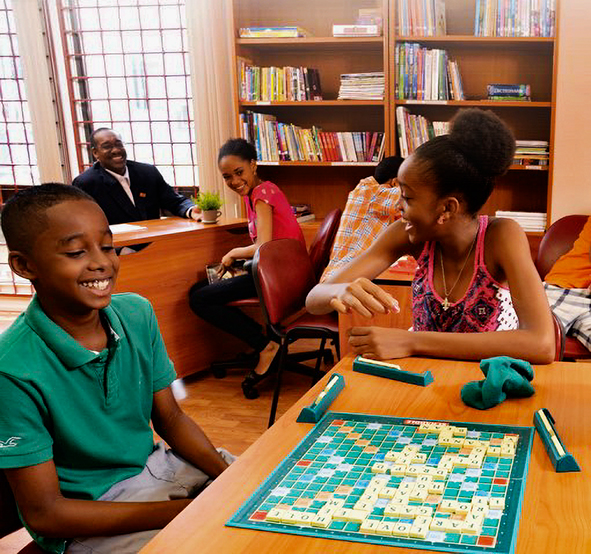
Image courtesy of the Family and Children Division, Judiciary of Trinidad and Tobago.
Specially trained customer service staff, easily identifiable in red jackets, were on hand to assist. Great care was taken to ensure accessibility for all users; signage included Braille and high-contrast fonts, and all areas were wheelchair accessible. Child-friendly fixtures and family washrooms with diaper-changing stations were also provided.
The pilot court included an on-site library for judicial officers, attorneys and staff, focusing on family law and socio-legal materials. This facility supported the court’s integrated approach, which brought together judicial, mediation and social services under one roof.
Social workers and counsellors were located on-site to provide support to litigants. Despite the calming environment, the planners recognised the need for robust security, given the emotional nature of family disputes. Measures were implemented to prevent violence and ensure children left the building with the person the court ordered, regardless of who had brought them. Universal screening procedures were adopted and systems were introduced for secure communication between judicial officers, waiting rooms and security personnel.
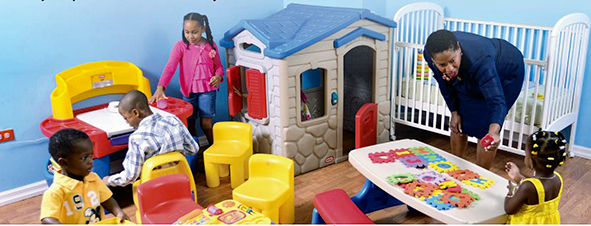
Image courtesy of the Family and Children Division, Judiciary of Trinidad and Tobago.
Security staff were selected for their temperament and trained in conflict resolution and working with families. Over time, it became clear that some hearing rooms needed to provide greater protection for vulnerable parties. As a result, new facilities included a mix of courtroom layouts, some of which allow both parties to see the judge but not each other while maintaining fair communication.
The shift to virtual and hybrid hearings provided a further option for parties who felt intimidated in physical courtrooms. Many users appreciated this format, as it allowed them to avoid face-to-face confrontation. The judiciary also introduced Virtual Access Customer Centres (VACCs) across the country that equipped booths with court technology to enable litigants without personal resources to attend hearings virtually, with on-site customer support.
Challenges experienced during the Family Court pilot
The Family Court pilot faced several obstacles that hindered its capacity to address the full spectrum of family justice issues. In addition to the need to properly address juvenile delinquency matters, the persistently high volume of domestic violence cases appearing before the Magistrates’ Courts highlighted a critical gap in the jurisdictions originally covered by the IFC. This underscored the urgency for a specialised entity to address both juvenile justice and family-related criminal matters.
Domestic violence
One of the core limitations of the Family Court pilot was its exclusion of criminal matters. As a result, cases involving domestic violence – particularly where breaches of restraining orders led to criminal proceedings – were only heard in the Family Court when inherently connected to other family law matters.
This limitation was largely attributed to space constraints and the experimental nature of the pilot. The Family Court Committee provided the following explanation:
‘It is fully appreciated how prevalent domestic violence is, how important it is to address this issue, and also that other family proceedings may arise in households where domestic violence is a factor.’
The Committee emphasised that domestic violence fell within both the short-term and long-term objectives of the Family Court, but clarified that:
‘The Pilot Project is not the final version of the Family Court structure that will be recommended. As its name suggests, it is a pilot structure which we hope to monitor and adjust during the two years that it is to be in operation.’
The Family Court’s emphasis on a settlement-oriented approach and a less adversarial, more welcoming environment influenced the decision to house the court at the National Insurance Property Development Company Limited building in the capital, Port of Spain (NIPDEC House) rather than within the traditional Hall of Justice. The design of the pilot facility aimed to:
‘Provide the kinds of facility that it is hoped will lead to a more comfortable environment for the resolution of family disputes.’
Given the volume of cases (over 2,000 filed in the Port of Spain High Court Registry and several thousand more in the St George West Magistrates’ Court in 2002), domestic violence applications were excluded from the mediation process to ensure manageable caseloads and effective monitoring. The Committee made clear, however, that:
‘This does not mean that domestic violence is being ignored... we will walk before we run.’
Additionally, removing many family matters from the Magistrates’ Court was seen as an opportunity to improve the facilities for domestic violence cases. The Committee acknowledged:
‘The situation at 9.00 a.m. outside the domestic violence court has been degrading to all concerned, because of acute overcrowding.’
Plans were developed for improved scheduling, enhanced physical accommodations and better access to counselling, as mandated by the Domestic Violence Act, 1999.
The Family Court Monitoring Committee was of the view that domestic violence should be dealt with by the Family Court as the court is rolled out and once the physical facilities enable its appropriate separation from other family matters.
Tools for determining parental relationships
The pilot also faced limitations in dealing with parentage determination. While the Status of Children Act (1981) abolished the legal distinction between legitimate and illegitimate children, the technology for parentage testing was still evolving.
Initially, the law permitted blood tests to establish or exclude paternity. However, such tests often yielded inconclusive results. From 1985 onward, DNA testing emerged internationally as a more definitive method, but under the Status of Children Act, the testing of blood samples could only be carried out by persons authorised by the relevant minister.
In practice, only one haematologist was authorised, resulting in significant delays. Moreover, DNA results were only admissible when all parties consented.
Although the Administration of Justice (Deoxyribonucleic Acid) Act, passed in 2000 and amended in subsequent years, addressed DNA in criminal matters, no provision was made for civil use. This gap persisted until 2016, when the Status of Children Act was amended to allow the use of DNA evidence in civil paternity cases.
Juvenile offenders and children deemed ‘beyond control’
Another significant limitation of the Family Court pilot was its exclusion of juvenile criminal matters. The Family Court did not handle children over the age of 14 charged with offences. While the court attempted to include ‘beyond control’ matters (that is, matters in which a parent or guardian sought the order of the court to have their child deemed beyond control), it was inadequately equipped to address the complex needs of these children.
One tragic example cited involved the suicide of a child who had come before the court on a ‘beyond control’ application.6 This outcome highlighted systemic failures, including as a result of systems and procedures which were set by the Family Court but were not being adhered to by associated services who brought children to the court.
These challenges underscore the need for clearer multi-agency protocols and the enforcement of rules across supporting institutions. The limitations also revealed that the resources afforded to the Family Court were insufficient to properly address the needs of children acting out and thus deemed ‘beyond control’.
Over time, it became apparent that both ‘beyond control’ cases and matters involving juvenile offenders under the age of 14 would be more appropriately addressed in a dedicated Children Court with specialised, child-focused resources. The rationale for this development was grounded in a rehabilitative philosophy, promoting:
- problem-focused intervention
- behavioural change
- non-incarcerative measures
- accountability through action
- recognition of treatment success
- charge dismissal upon programme completion
- children’s right to be heard.
2.3 The Juvenile Court Project and the birth of the Children Court (2014–2018)
In response to the growing number of cases involving children, and in alignment with international best practices and lessons learned from the Family Court Pilot Project, recommendations were made for the creation of what was initially conceptualised as a Juvenile Court.
On 24 November 2014, the Trinidad and Tobago Juvenile Court Project was officially launched by the Judiciary of the Republic of Trinidad and Tobago. The project was a collaboration between the Judiciary of Trinidad and Tobago, the United Nations Development Programme (UNDP) and the United States Agency for International Development (USAID). It involved extensive consultation with various stakeholders, including government agencies, non-governmental organisations and community groups, to ensure a comprehensive and inclusive approach to juvenile justice reform.
Expected outcomes included the following.
- Strengthened legal framework. This was to be achieved by enhancing the legal and institutional framework to better address the needs of children in conflict with the law and enhancing the judiciary’s capacity to address juvenile matters through a rehabilitative and restorative framework.
- Reduced recidivism. By focusing on rehabilitation, the project aimed to decrease the likelihood of reoffending among juveniles.
- Improved reintegration. This was to be achieved by providing support services to facilitate the reintegration of juveniles into society, helping them lead productive and law-abiding lives.7
A central component of the project was preparing the judiciary to utilise the various rehabilitative ‘sentencing’ options available under the Children Act and the Children’s Authority Act. This included developing processes to allow for early diversion of children from the formal court system while ensuring alignment with constitutional rights and protections.
To support these goals, the judiciary undertook several initiatives.
- Preparation for the use of validated risk assessment tools.
- Engagement of social workers and other professionals in the assessment of children.
- A review of the Judges’ Rules, specifically as they apply to children.
- Development of procedural rules to guide juvenile matters through the court system, with ongoing stakeholder consultation.
The project emerged from a recognition that the traditional criminal justice model, which lacked co-ordination and preventive mechanisms, had failed to adequately address the needs of juvenile offenders. Experience and stakeholder engagement revealed several systemic issues: young offenders placed with adult inmates were at risk of adopting negative behaviours; children with varying risk levels were often grouped together, increasing the likelihood of reoffending; and lack of structured social and educational support created further challenges, contributing to a cycle of generational disconnection. Additionally, incarceration, the most expensive response to juvenile crime, had proved the least effective.
The need for a Children Court grounded in rights-based, child-sensitive and restorative principles became increasingly evident. The judiciary, through the Juvenile Court Project, thus sought to implement a modern, rehabilitative model, guided by international juvenile justice standards. This model emphasised:
- behavioural change
- use of non-custodial interventions
- accountability through action
- recognition of successful treatment
- withdrawal of charges upon successful completion of court-ordered programmes
- targeted responses for high-risk and persistent child offenders.
To achieve these objectives, the project focused on:
- establishing at least two Children Courts to operationalise the Children Act 2012
- conducting a pilot Peer Resolution Programme (for minor offences, the Children Court may invite trained youth volunteers, aged 13–17, to recommend appropriate, constructive sanctions for child respondents).
- implementing a public education and sensitisation initiative to build awareness of juvenile justice reform.
The earlier Family Court pilot provided critical insights that informed the development and administration of the Children Court, as later articulated in the Family and Children Division Bill. Ultimately, the Children Court was conceived to function as a co-ordinating hub for legal and social services, similar to the structure of the Family Court. Guided by restorative justice principles, it was intended to deliver services with full consideration for the developmental needs of children and the potential long-term impact of state interactions on their lives.
The Children Court also played a vital role in supporting the implementation of a comprehensive suite of child-focused legislation and amendments, including:
- The Children Act, 2012
- The Children’s Authority Act, 2000
- The Children’s Community Residences, Foster Care and Nurseries Act Chap 46:11
- The International Child Abduction Act, Chap. 12:08
- The Miscellaneous Provisions (Children) Act
- The Trafficking in Persons Act, 2011
- The Adoption of Children (Amendment) Act, 2015
- The Family and Children Division Act, 2016
- The Age of Marriage (Amendment) Act
- The Motor Vehicles and Road Traffic (Amendment) Act
- The Domestic Violence Act.
By 2018, Children Courts had been established in North and South Trinidad, as well as in Tobago, marking a major step forward in the justice system’s responsiveness to children. Simultaneously, the rollout of Family Courts across the country began in earnest. At the time of writing, Family Courts were operational in Port of Spain and Princes Town, with additional courts slated to open in San Fernando (late 2024) and in North-East Trinidad, expanding national access to specialised family justice services.
Children Court Rules (2016)
The Children Court Rules were developed as a key deliverable of the Juvenile Court Project, representing a new and rehabilitative approach to handling matters involving children. The rules aim to ensure the child’s voice is heard and respected in legal proceedings and to define the roles, authority and jurisdiction of the registrar and the master within the Children Court.
The overriding objective of the rules is to promote justice in child-related cases by treating child offenders fairly, facilitating rehabilitation, encouraging responsible behaviour, promoting accountability and protecting the wider community. The rules require the court to uphold this objective when exercising discretion, interpreting the rules or practice directions, and managing cases.
A distinctive feature of the rules is the introduction of the Monitoring Phase. Under this provision, the court may continue supervising the child post-sentencing through regular monitoring hearings involving the child and their family or support network. The court may also appoint a child probation officer to oversee the child’s compliance with sentencing requirements, conduct risk assessments and carry out any other functions directed by the court.
Child justice guidelines and protocols
Key protocols, standards and rules that govern the treatment and representation of children within the justice system of Trinidad and Tobago are outlined. These include the Trinidad and Tobago Inter-Agency Protocols, which promote co-ordinated responses to students in conflict with the law; the Draft Guiding Principles and Standards for the Representation of Children, which aim to ensure effective legal advocacy tailored to children’s unique needs; and the Judges’ Rules for Children (2016), a code of practice that guides police and other officials in handling children during criminal investigations and proceedings. Collectively, these frameworks reflect a rights-based, child-sensitive approach to justice that balances accountability with rehabilitation and care.
Trinidad and Tobago Inter-Agency Protocols (2017)
The Trinidad and Tobago Inter-Agency Protocols were developed under the Juvenile Court Project in July 2017 to address students in conflict with the law. These protocols stem from the broader Multi-Agency Protocols and were created in recognition of the unique and frequent interactions between the Ministry of Education and the Trinidad and Tobago Police Service.
They specifically guide responses when a child:
- is about to commit an offence
- is found committing an offence
- has committed an offence and evidence must be secured.
The aim of the protocol is to foster greater efficiency and effectiveness through the integration, co-ordination and collaboration of key agencies within the child justice system while maintaining each agency’s independence and distinct role.
The signatories to the protocol include the Ministry of Education, the Division of Education, Innovation and Energy (Tobago House of Assembly), the Trinidad and Tobago Police Service, and the Children’s Authority of Trinidad and Tobago.
The protocol outlines the legal framework and responsibilities of each agency in relation to the following scenarios.
- Use or possession of tobacco or alcohol products.
- Reporting an offence to the police.
- Notification of a parent or guardian.
- Investigation of the offence.
- Arrest of a child.
- Interviewing a child suspect.
- Search of a person or property.
- Police procedures for reporting to the school.
- Treatment of victims and witnesses.
To ensure accountability and continued effectiveness, the signatories agreed to establish a Protocol Review Team, which meets annually to review implementation. Each agency is required to assign a representative and an alternate to form a Monitoring and Evaluation Working Group.
Draft Representation of Children: Guiding Principles and Standards
This working draft, prepared by the Trinidad and Tobago Juvenile Court Project, outlines national standards for the representation of children before all courts and tribunals in Trinidad and Tobago. Its purpose is to ensure effective, zealous and constitutionally sound legal representation for children.
The document acknowledges that children differ significantly from adults – physically, morally, cognitively and emotionally. It acknowledges the complex nature of attorney–child relationships and underscores the critical role of legal counsel in safeguarding the rights of child clients. Once finalised, these principles aim to establish a trusted cadre of legal professionals who can reliably advocate for children involved in the justice system.
At the time of writing, the draft was under review and consultation with stakeholders in the child justice sector.
Judges’ Rules for Children (2016)
Effective from November 2016, the Judges’ Rules for Children serve as a code of practice to guide police officers and other relevant personnel in handling child offenders. Developed by the judiciary, these rules ensure that investigations and criminal proceedings involving children are conducted with fairness, sensitivity and legal integrity.
The Judges’ Rules cover a range of procedures, including:
- stop and search of a child
- questioning prior to search
- non-intimate searches
- intimate and strip searches
- arrest procedures
- interviews and interrogations
- comfort and refreshment provisions
- fingerprinting
- identification procedures
- collection of DNA samples (intimate and non-intimate)
- right to legal representation
- procedures for release or custody
- maintenance of custody records
- general record keeping
- consequences of breaching the rules.
These rules serve not only as guidance but as enforceable standards to protect the rights and dignity of children in contact with the law.
Creating a safe space for youths
The Children Court handles cases involving children accused of offences, from minor offences to serious crimes, for those under 18 years old. Its buildings reflect the unique needs of child-centric justice, offering waiting areas with varied levels of security and support.
The court’s philosophy guides the architectural design and includes considerations such as:
- separate circulation routes for different groups
- accessibility for persons with disabilities
- built-in security features
- flexible layouts and user-friendly spaces
- integrated technology infrastructure.
Facilities include courtrooms, hearing rooms, public and private waiting areas, children’s holding rooms and meeting rooms. These spaces also support the work of administrative staff, social workers and justice sector personnel, including police officers, the Children’s Authority, probation officers and legal aid counsel.
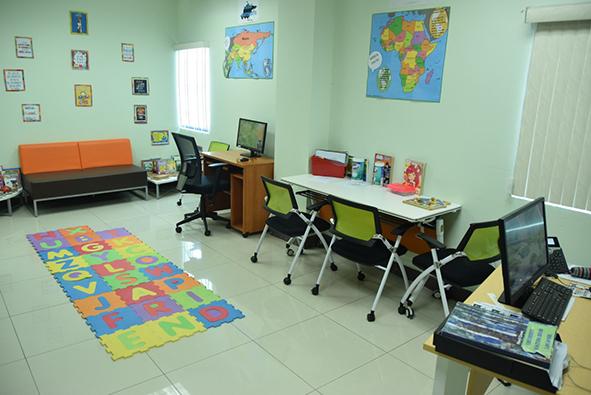
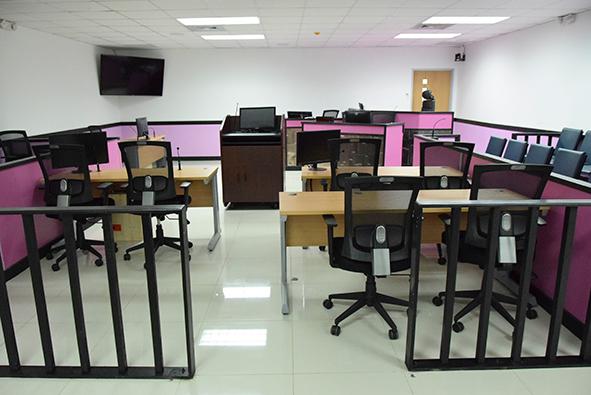
Children’s courtrooms are purposefully child-friendly, using bright, engaging colours and less formal designs to reduce intimidation and make the process more approachable for young users.
Images of the interior of the Children Court of Trinidad and Tobago






Footnotes
1 Sharma, the Honourable Mr Justice S (2003, September 16), ‘Opening of the 2003–2004 Law Term in the Supreme Court’, speech delivered at the Hall of Justice, Port of Spain, Trinidad and Tobago. www.ttlawcourts.org/index.php/law-library/special-collections/cj-law-term-speeches. | [back]
2 Morris-Alleyne et al. (2024, unpublished) | [back]
3 Morris-Alleyne, C-A (2004), ‘Feature – Family Court’, The Lawyer, Vol. 7 No. 4, 5–6. | [back]
4 De La Bastide, the Honourable Justice M (1998), ‘Law Term Opening Speech, Supreme Court’, 16 September. | [back]
5 Tam, J (2004), ‘Feature-Family Court, The Family Court-High Court Jurisdiction’, The Lawyer, Vol. 7 No. 4, 7–9. | [back]
6 The term ‘beyond control’ has since been replaced by the term ‘child/ren in need of supervision’. Section 50A of the Children Act 2012 states, ‘Where a parent, guardian or person with responsibility for a child alleges that he is unable to control the child, he may apply to the Court for an Order deeming the child to be a child in need of supervision’. | [back]
7 Trinidad and Tobago Judiciary (no date), ‘Juvenile Court Project’, webpage. www.ttlawcourts.org/index.php/court-admin/projects/juvenile-court-project. | [back]