

Commonwealth Heads of Government (CHOGM) have reinvigorated their collective commitment to meaningfully advancing the rights of persons with disabilities across the 56 member countries through the adoption of the first-ever Commonwealth-wide framework - Commonwealth Disability Inclusion Action Plan (DIAP).
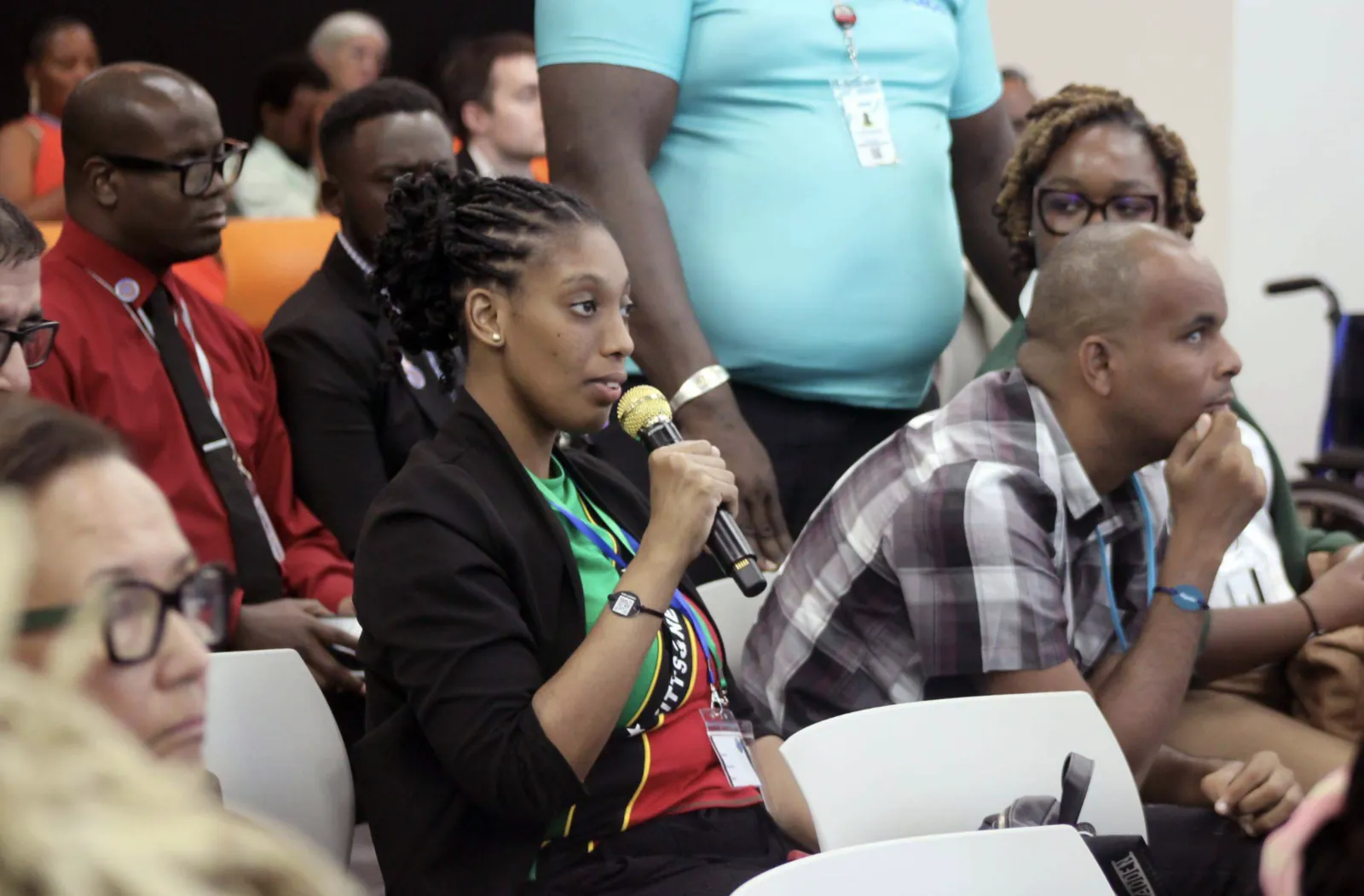
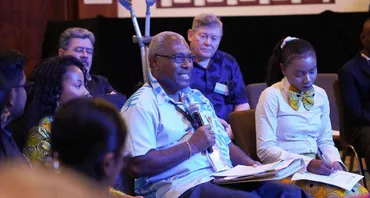
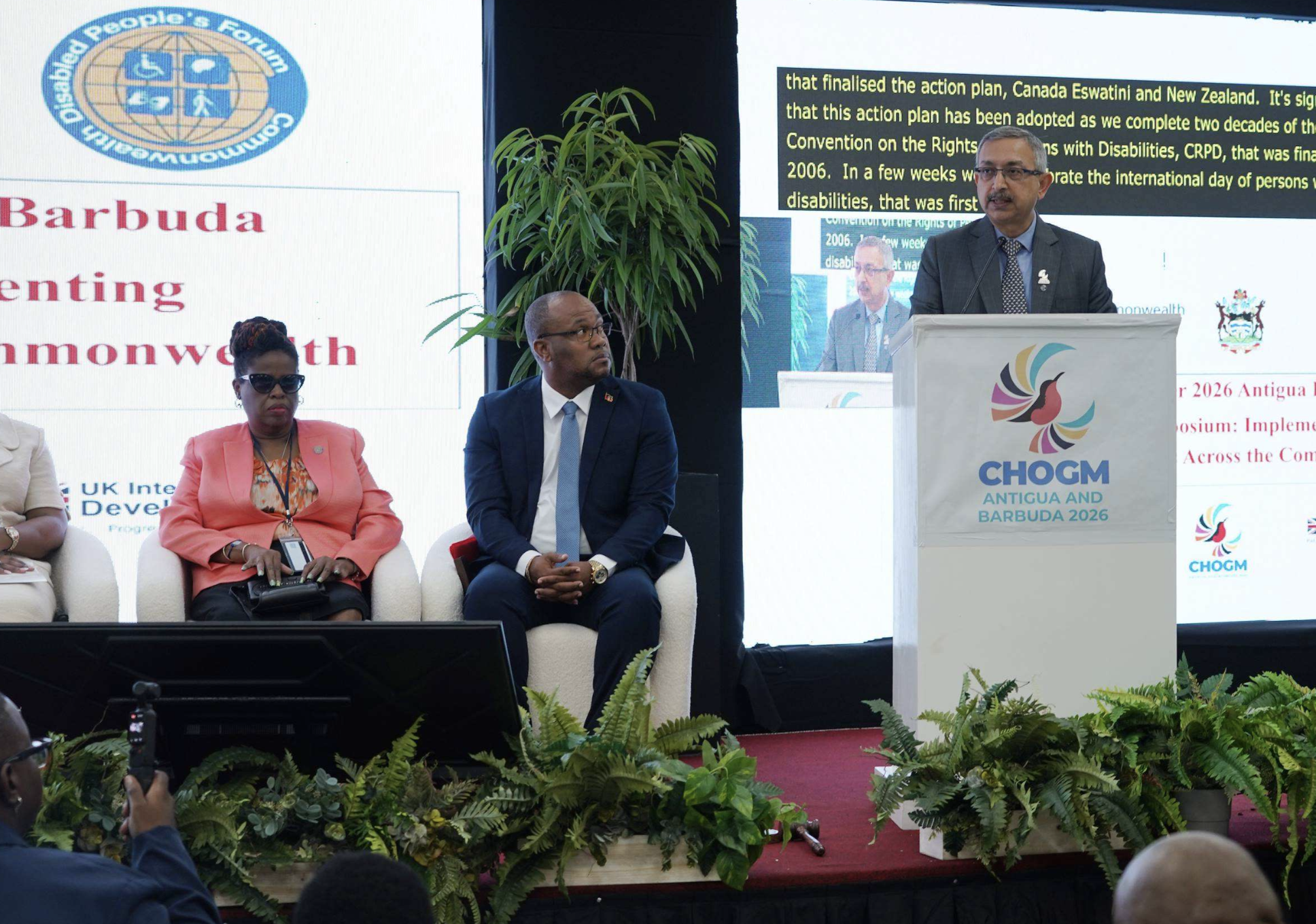
The Action Plan was a key focus of the ‘Implementing Disability Rights Across the Commonwealth Symposium’, hosted by the Government of Antigua and Barbuda, the Commonwealth Secretariat and the Commonwealth Disabled People’s Forum (CDPF) in St. John’s on 5 November 2026.
Held after CHOGM, the symposium highlighted the Commonwealth’s commitment to accelerating inclusion for the more than 450 million persons with disabilities across its 56 member countries
Developed by Commonwealth member countries with support from an Advisory Group of Persons with Disabilities, including children and youth with disabilities, the Action Plan will help member countries strengthen implementation of the United Nations Convention on the Rights of Persons with Disabilities (UNCRPD), to which all 56 Commonwealth countries are party.
Addressing more than 150 representatives from across the Commonwealth gathered at the symposium, the Minister of Social and Urban Transformation of Antigua and Barbuda, Hon Rawdon Turner, said:
“People with disabilities speak about the barriers they face and we must listen. Their rights matter. Their experiences say what has to change. These barriers come from decisions we make as Government. This has to change.”
During the event, speakers and participants, including ministers, officials, parliamentarians, and persons with disabilities, explored practical approaches and challenges to advance disability rights across a range of areas, including employment, healthcare, education, access to justice, politics, housing, transport, media and public services.
General Secretary, Commonwealth Disabled People’s Forum, Dr Richard Rieser, said:
“We call for these barriers to be identified and removed, discrimination to be addressed, and the rights, dignity, autonomy and inclusion of persons with disabilities to be upheld.
“Governments have a critical responsibility to lead these efforts through legislation, policy reform, accessible services and effective implementation.”
In line with the CHOGM 2026 theme on partnerships and investment, the event was supported by the Caribbean Development Bank and the United Kingdom’s Foreign, Commonwealth and Development Office.
Speaking at the event, President of the Caribbean Development Bank, Daniel M. Best, said,
“Disability inclusion cannot be treated as an afterthought. Whether we are designing infrastructure, strengthening education systems, or building climate resilience, accessibility and participation must be embedded from the start.
“The Caribbean Development Bank remains committed to working with governments, communities and organisations of persons with disabilities to turn commitments into tangible improvements in people’s daily lives.”
The symposium also showcased progress in advancing disability inclusion across several Commonwealth countries, including in Australia, Barbados, Eswatini, India, Malta and South Africa, and explored how the Action Plan could bolster effective partnerships and programmes at national and Commonwealth levels.
Commonwealth Deputy Secretary-General (Programmes) Tanmaya Lal said:
“Across the Commonwealth, we find initiatives that have advanced the inclusion of persons with disabilities… The Commonwealth Secretariat has engaged in both advocacy and action to advance this agenda, working with governments and partners…
“We are confident that all stakeholders will continue to show leadership in taking practical steps for a fuller implementation of the Commonwealth Disability Inclusion Action Plan going forward.”
Image
Closing the symposium, High Commissioner of Antigua and Barbuda to the United Kingdom, Her Excellency Karen-Mae Hill, said:
“We need to accelerate partnership to achieve equality and prosperity for the 450 million disabled people in the Commonwealth on the 20th Anniversary of the UNCRPD being adopted at the United Nations.”
The Action Plan will be formally launched in London on 3 December 2026, the International Day of Persons with Disabilities, which coincides with the 20th anniversary of the adoption of the United Nations Convention on the Rights of Persons with Disabilities.