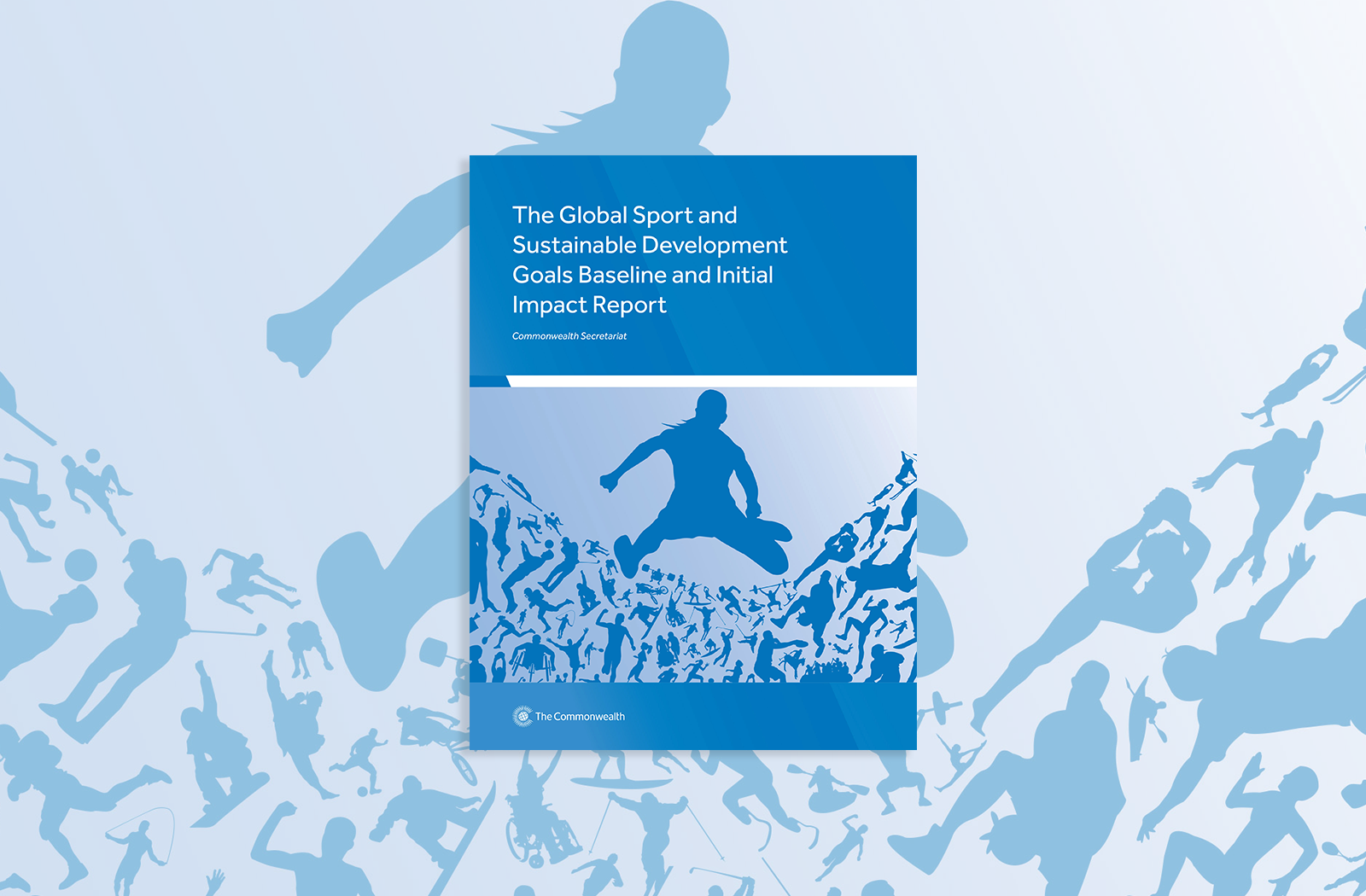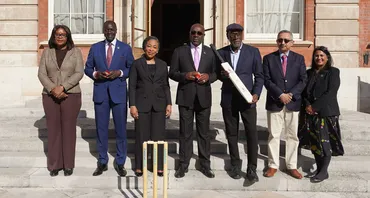


The Commonwealth today launched the first ever Global Sport and Sustainable Development Goals (SDGs) Baseline and Initial Impact Report at Canada House, London. The report establishes a baseline for measuring how physical education, physical activity and sport (PEPAS) contribute to achieving the SDGs. Its findings highlight progress across Commonwealth countries, with Jamaica emerging as a global leader in two SDG domains.
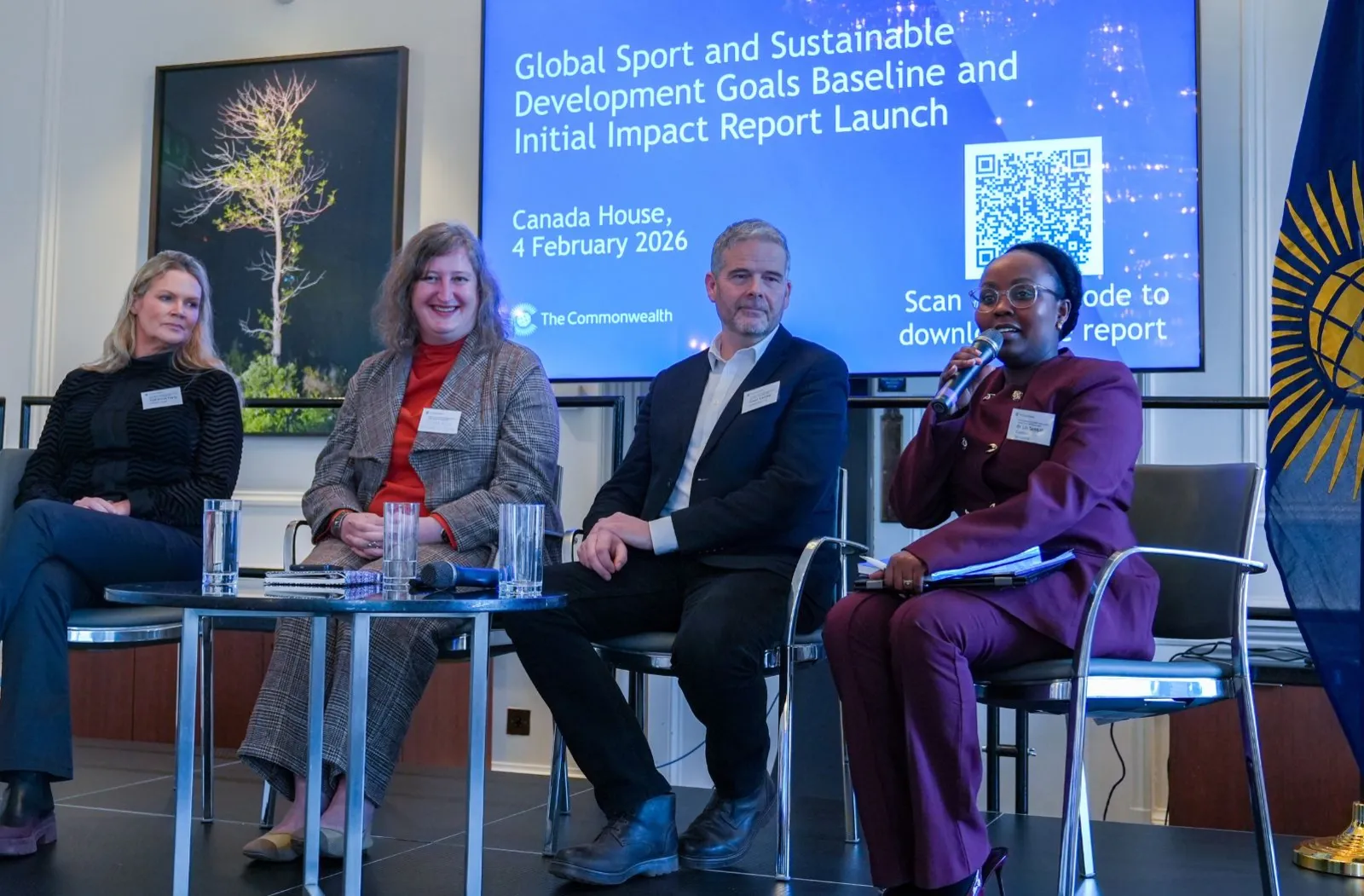
Drawing on data from 210 countries, the Global Sport and Sustainable Development Goals (SDGs) Baseline and Initial Impact Report spearheaded by the Commonwealth Secretariat in partnership with global stakeholders, establishes a shared framework to strengthen policy, investment and accountability in sport for development across the Commonwealth’s 56 member countries and beyond. It showcases how sport is driving progress across key areas including health, education, economic growth, gender equality and peaceful, inclusive societies.
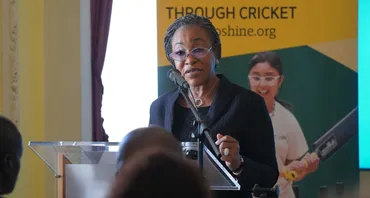
Speaking at the launch of the report, the Commonwealth Deputy Secretary-General, Dr Arjoon Suddhoo, said:
“Sport is a powerful force for sustainable development, yet its impact is too often undermeasured and undervalued. This report allows us to understand where sport is making a difference, where gaps remain, and how its contribution to the Sustainable Development Goals can be maximised. Ultimately, it shows that global cooperation is key for setting the standard for impact measurement and practical action at the national level."
Key Commonwealth findings
The report highlights significant achievements across Commonwealth countries:
- Health and well-being (SDG 3 & SDG 11): Singapore ranks highest across the Commonwealth for sport’s contribution to health, wellbeing and sustainable cities and communities.
- Education (SDG 4): Jamaica leads globally and across the Commonwealth in providing consistent policy implementation, specialist PE teachers across levels, and regular programme monitoring. Trinidad and Tobago and Samoa rank second and third worldwide.
- Economic growth and employment (SDG 8): Malta ranks highest across the Commonwealth for sport’s contribution to economic growth and productive employment (data available for European countries only).
- Reducing inequalities (SDG 10): Malaysia leads across the Commonwealth in promoting peaceful, inclusive and equitable societies through sport.
- Gender equality (SDG 5): Jamaica ranks highest across the Commonwealth and globally for advancing gender empowerment through sport.
- Strong institutions and partnerships (SDG 16 & SDG 17): Australia ranks highest across the Commonwealth for strengthening systems, partnerships and protecting the integrity of sport.
Globally, the report reveals that while women and girls continue to face persistent inequalities in participation, women’s representation in sports management is gradually improving.
Physical inactivity remains a major global challenge, with over 31% of adults and 82.8% of adolescents insufficiently active, and women and girls consistently less active than men and boys. Physical inactivity is now the fourth leading risk factor for global mortality, contributing to 3.2 million premature deaths every year.
The report reveals that just under a third (31.98%) of national sport policies align with the SDGs, showing untapped potential for sport to accelerate progress toward the 2030 Agenda and create wider social and development benefits.
About the report
The report serves as a practical policy tool for governments, development agencies, sports organisations, and researchers to use sport for sustainable development.
Country data is presented in an interactive data dashboard to support stronger sport policy action. Developed with input from over 150 government, sport, and civil society partners, including UNESCO, World Health Organisation, International Olympic Committee and Peace and Sport Monaco, the report delivers Action Area 2 of the Kazan Action Plan. This action area commits to creating shared indicators to measure how sport and physical activity contribute to the Sustainable Development Goals (SDGs).
A global call to action
With the 12th Commonwealth Sports Ministers Meeting, the Commonwealth Games, and the Commonwealth Heads of Government Meeting (CHOGM) all scheduled this year, and with sport featuring prominently on development and diplomatic agendas, the report comes at a pivotal moment for the Commonwealth.
- Download the report and what it means for national and global sport policy,
Global Sport and Sustainable Development Goals (SDGs) Baseline and Initial Impact Report - Global Sport and SDG Indicators
Launch event photo gallery

Image