


Sixty per cent of the Commonwealth’s 2.7 billion people are younger than 30 years old. Meaningful access to development and policy processes is a critical way to ensure that young people’s unique perspectives and ideas are heard and included in decision-making, and negotiation skills is a core building block.
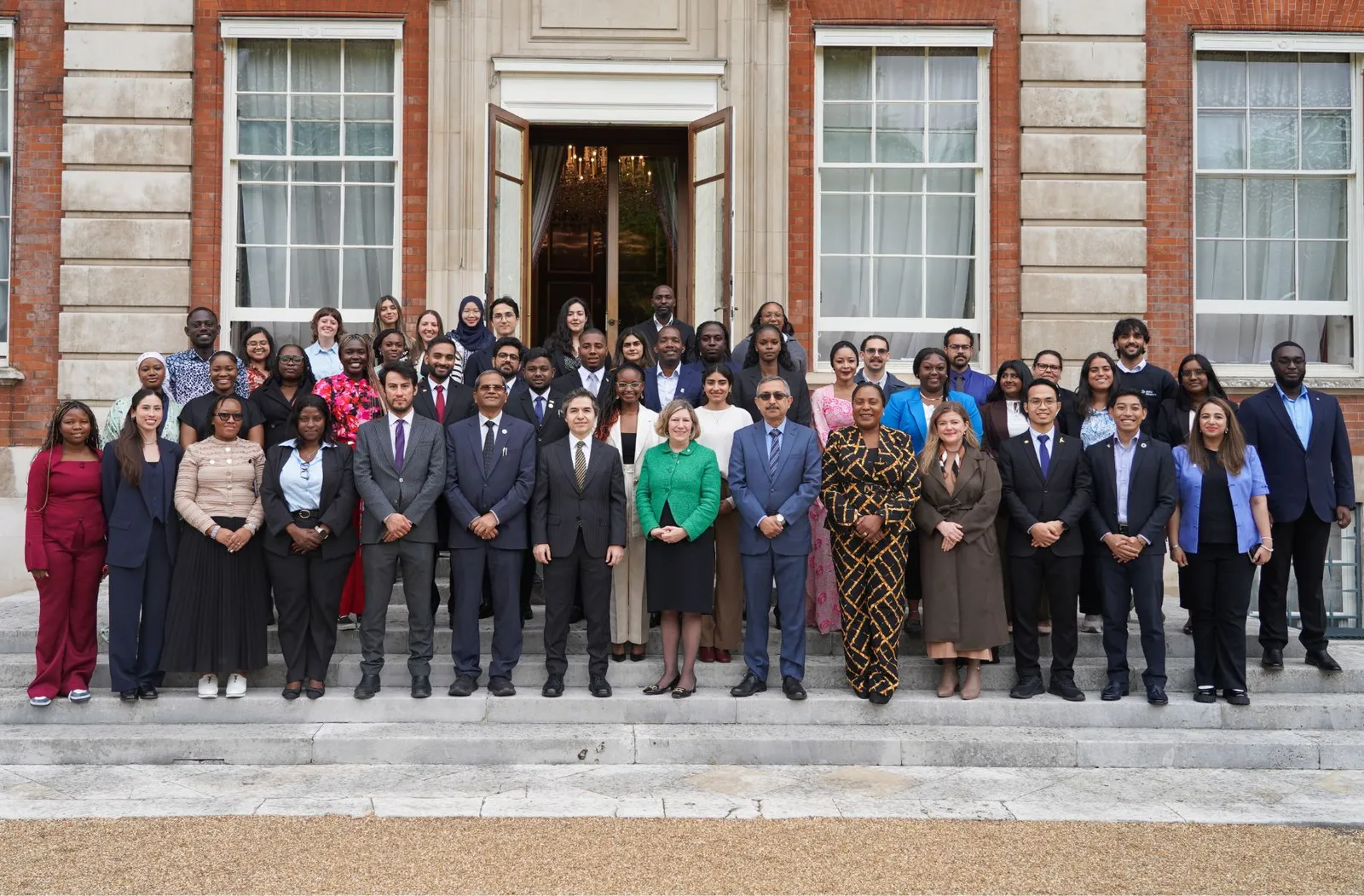
This week, 36 young leaders from 24 countries convened at the Commonwealth Secretariat’s headquarters in London for the Commonwealth Youth Multilateral Negotiations Training, co-hosted by the Government of Australia. Already engaged in environmental work, participants sharpened their skills and tools to engage in global negotiations across the three Rio Conventions on climate change, biodiversity and land degradation.
Image
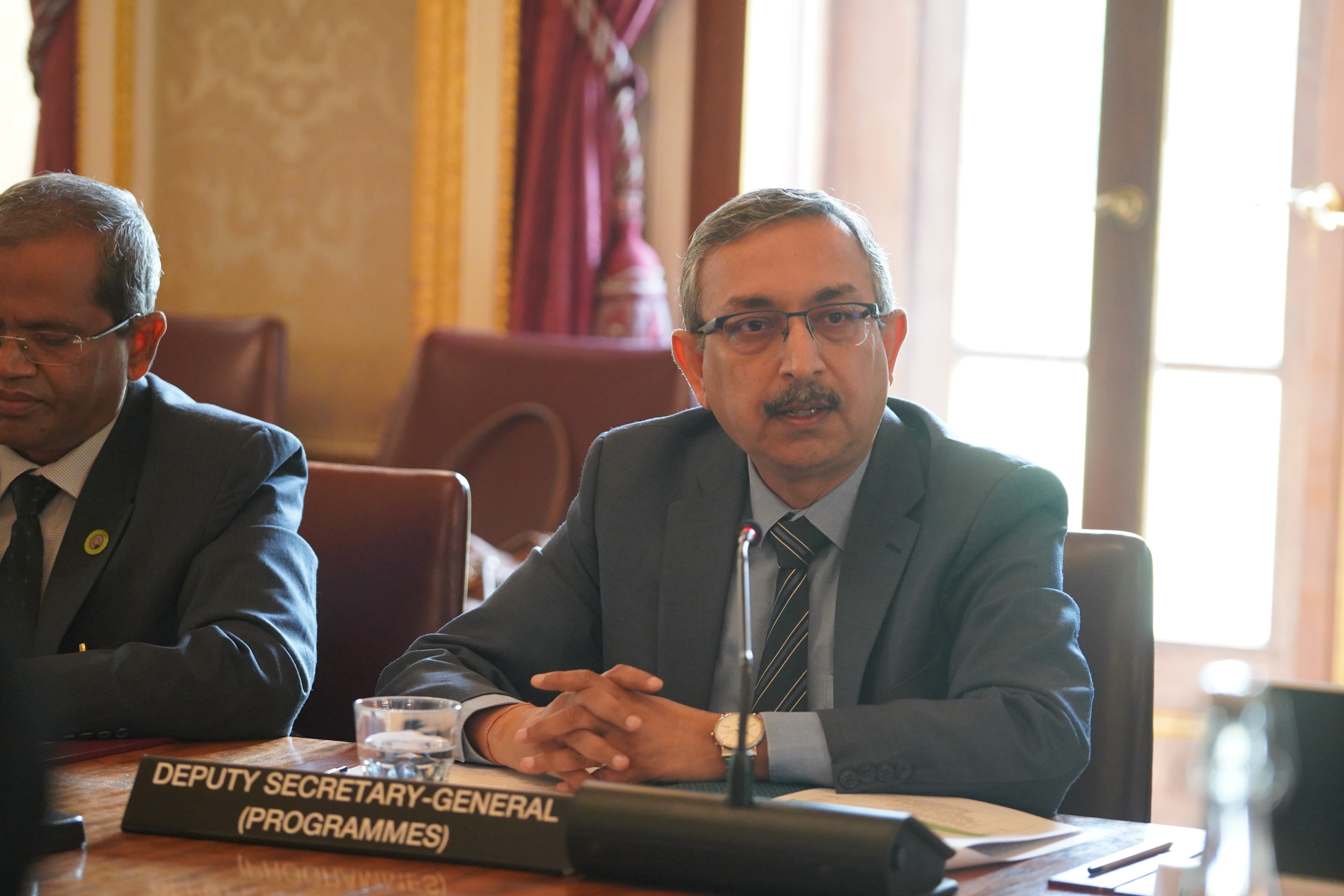
At the opening session, Commonwealth Deputy Secretary-General (Programmes) Tanmaya Lal, reflected on his experience in climate negotiations – including on negotiations leading to the landmark Paris Agreement - and shared his views on why negotiations are important. He said:
“The nature of globalisation means that countries have had to collaborate on cross-border operational matters such as managing maritime traffic, aviation, telecommunications or postal services. There are important multilateral processes on managing global commons – like the Law of the Sea, the ozone layer, climate, outer space, geospatial information systems, AI governance or biodiversity beyond national jurisdiction, among others.
“It is important for a multilateral negotiator to have a clear understanding of the huge diversity among national positions that may be based on disparity in their circumstances - development stages, size of countries, populations, economies, geography, natural resources, national capacities, and vulnerabilities, as well as historical experience and governance.
“Multilateral negotiations are a pragmatic exercise aimed at building coalitions, exploring common ground, while safeguarding core national interests.”
Image
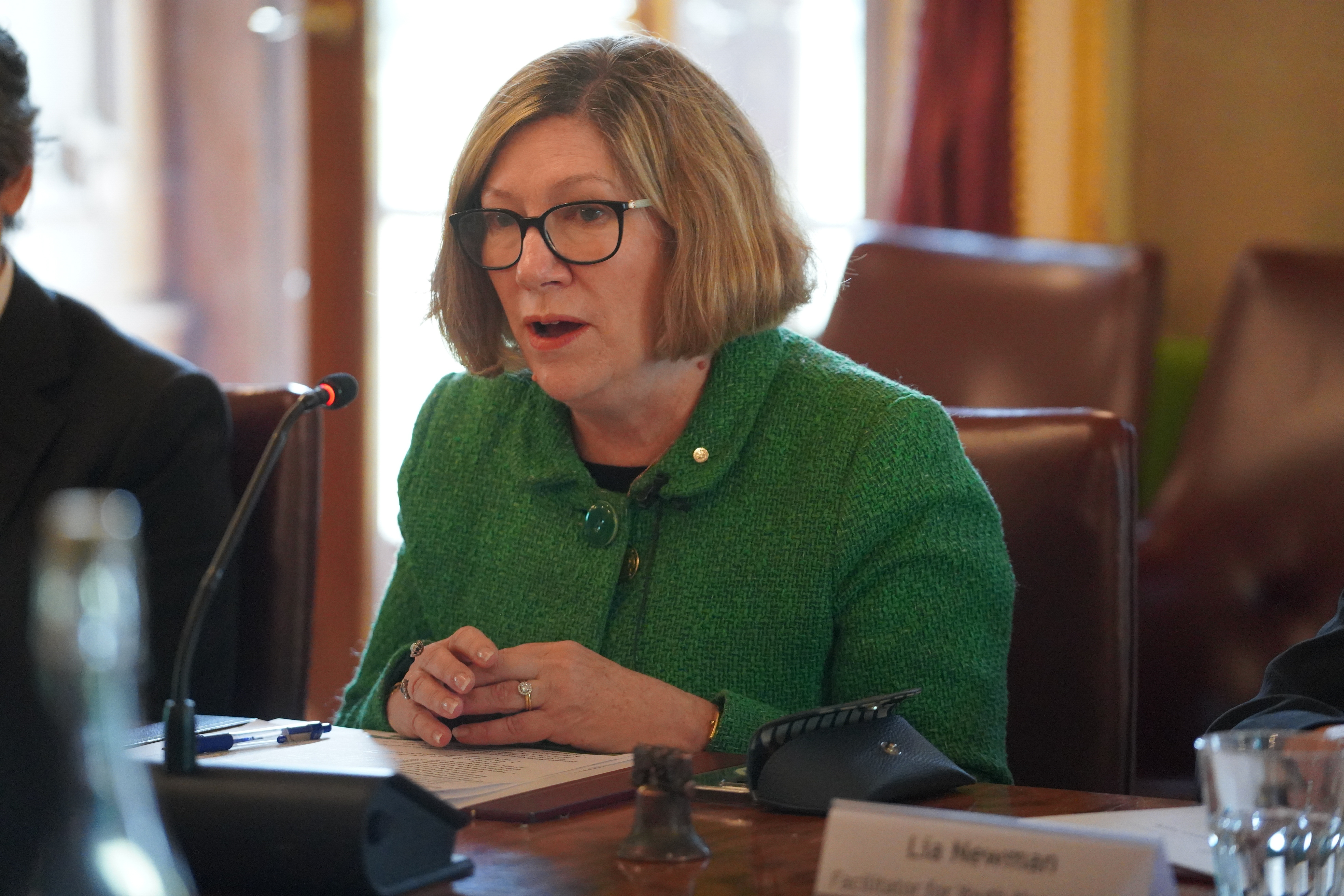
Australian Deputy High Commissioner to the United Kingdom of Great Britain and Northern Ireland, Elisabeth Bowes PSM, a champion of youth negotiations training in the Commonwealth, said:
“The Australian Government is committed to taking real and significant climate action at home and internationally. As President of Negotiations at COP31, Australia welcomes the opportunity to shape global climate discussions and work to drive a wide agenda to advance global progress towards Paris Agreement goals.
“This week is about equipping you – the youth of the Commonwealth – with the skills, knowledge, and confidence to shape international climate negotiations. Australia is strongly supportive of ensuring youth participation in decision-making and, through Australia’s youth climate advisory group, our own Government’s approach is informed to increase engagement and participation of young people in climate policymaking.”
Image
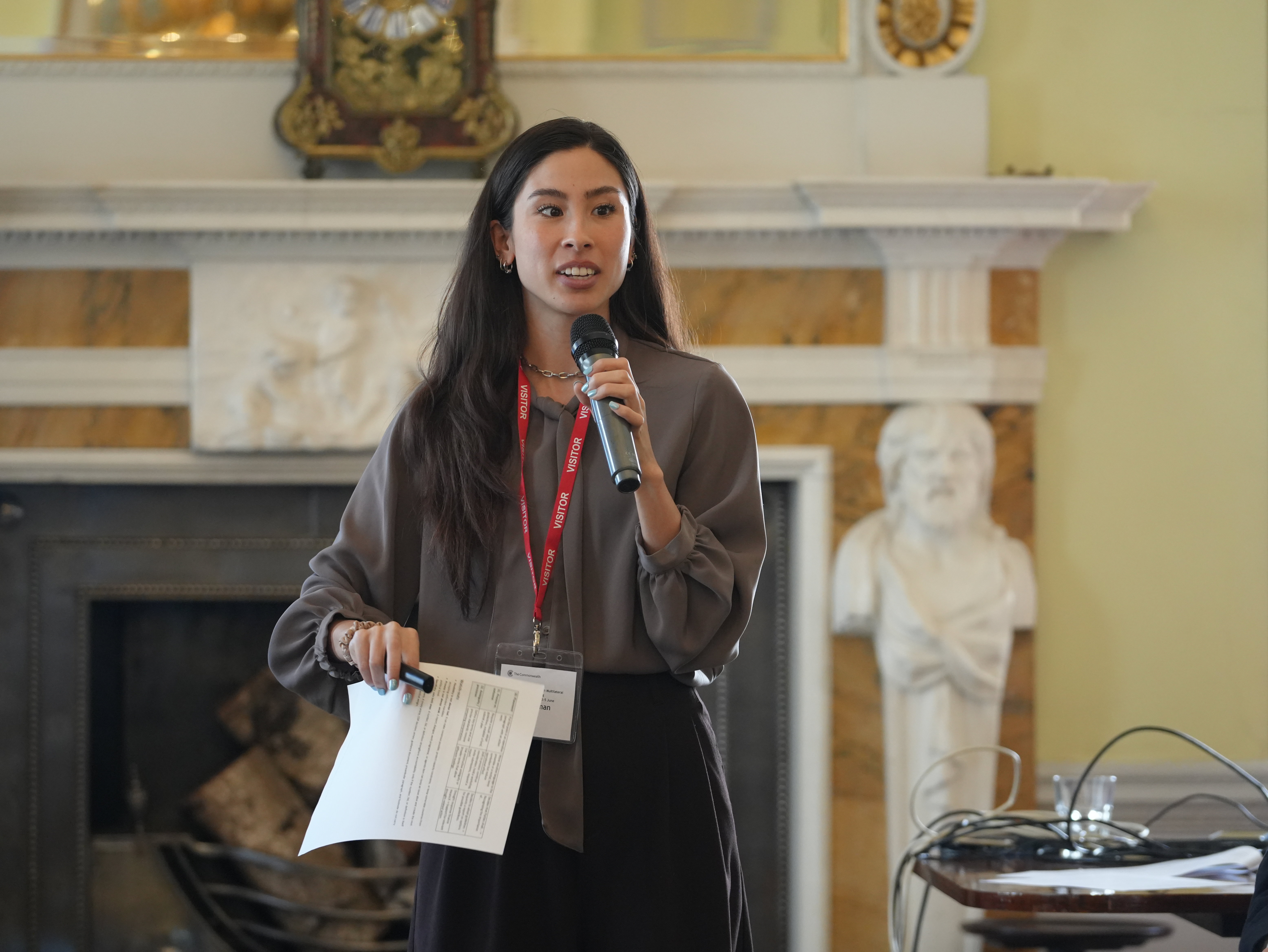
The training was led by Lia Newman, an international climate negotiations expert and trainer, including as a former lead US government negotiator under the UNFCCC and Paris Agreement. Over three days, the training was interactive, combining lecture-based modules with role playing, including the lively and highly engaged mock negotiations.
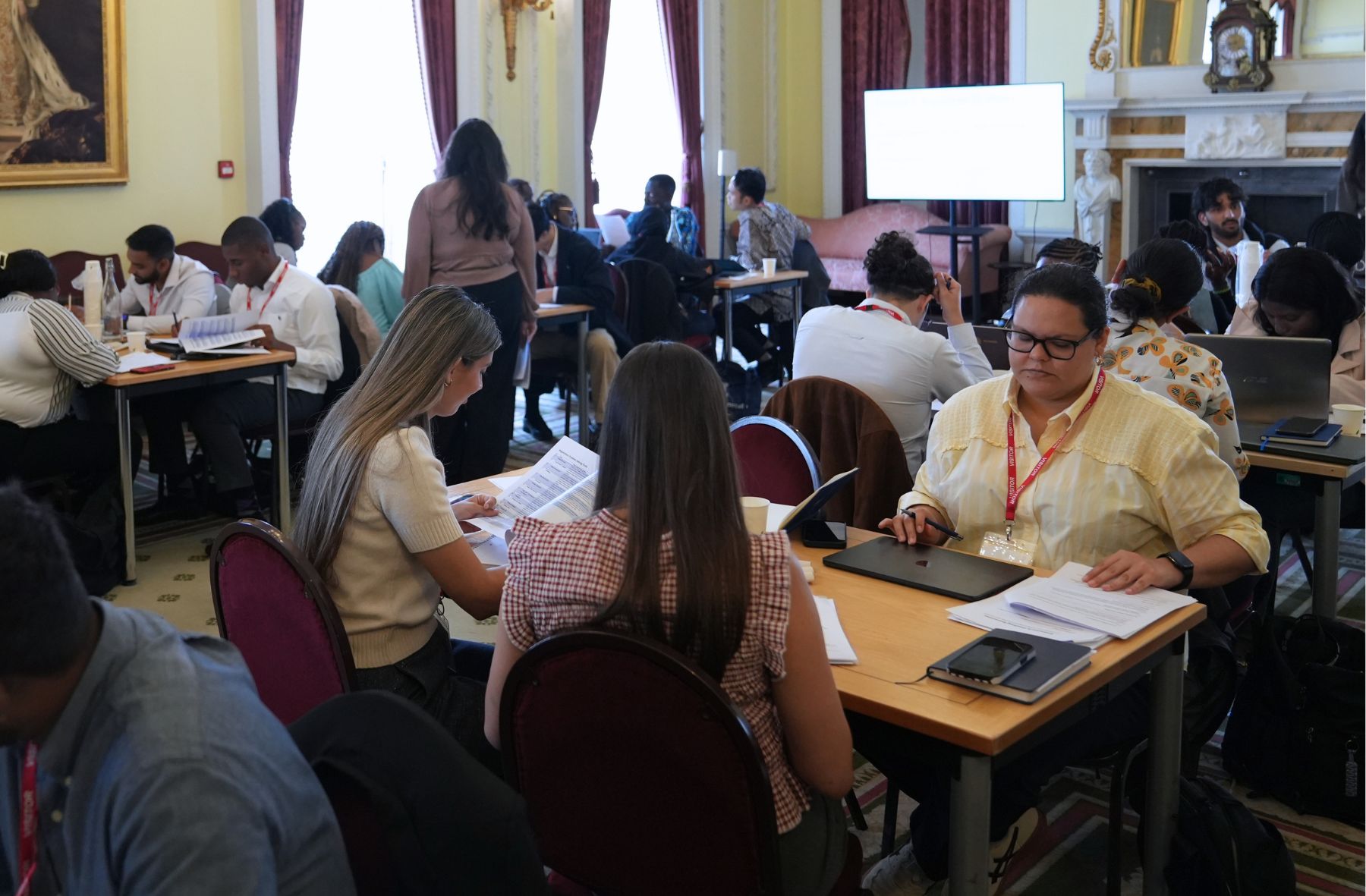
The participants embodied their respective roles , leading the charge for the different negotiating groups, such as the African Group of Negotiators (AGN), Alliance of Small Island States (AOSIS), European Union (EU), Like-Minded Developing Countries (LMDC), Group of 77 and China (G77+China), and the United States (US), Brazil, India and the Kingdom of Saudia Arabia among others.
In discussions following the mock negotiations, participants spoke about how quickly negotiators assumed the tone and voice of the group they represented – some being more emotive or strident, whilst others were more careful in how their positions would be perceived. They remarked on how challenging, yet interesting, it was to represent a country (for example Hungary) when having to negotiate on behalf a group (in this case, the EU), when neither was their home country.
Image
Reyad Mohammed is an Environmental Education Officer from Trinidad and Tobago. He said on the margins of the training:
“Everything that I learn in this training will definitely be very applicable to what I hope to do in the future for my country. Trinidad and Tobago is a Small Island Developing State, which means that we are already very, very vulnerable to the effects of climate change.
“People usually say that climate change is knocking on the door, but in Trinidad it's already in the room with us.”
Sally Higgins, Youth Climate Champion for COP31, sent a video message to the young negotiators, wishing them well and sharing some of her plans for the upcoming COP31, to be held in Antalya, Türkiye.
This iteration of the youth negotiations training – now focusing on all three Rio Conventions - follows on the first cohort of Commonwealth youth negotiators trained in 2024. Several of the original group have gone on to represent their countries on global platforms, including the UNFCCC COPs.
Related news
Media contact
Suné Kitshoff
Senior Communications Officer
T: +44 7740 450 901 | Email our media contact Suné Kitshoff