


Blog by By Dr Miriam Mutebi, Chair, Commonwealth International Cervical Cancer Taskforce
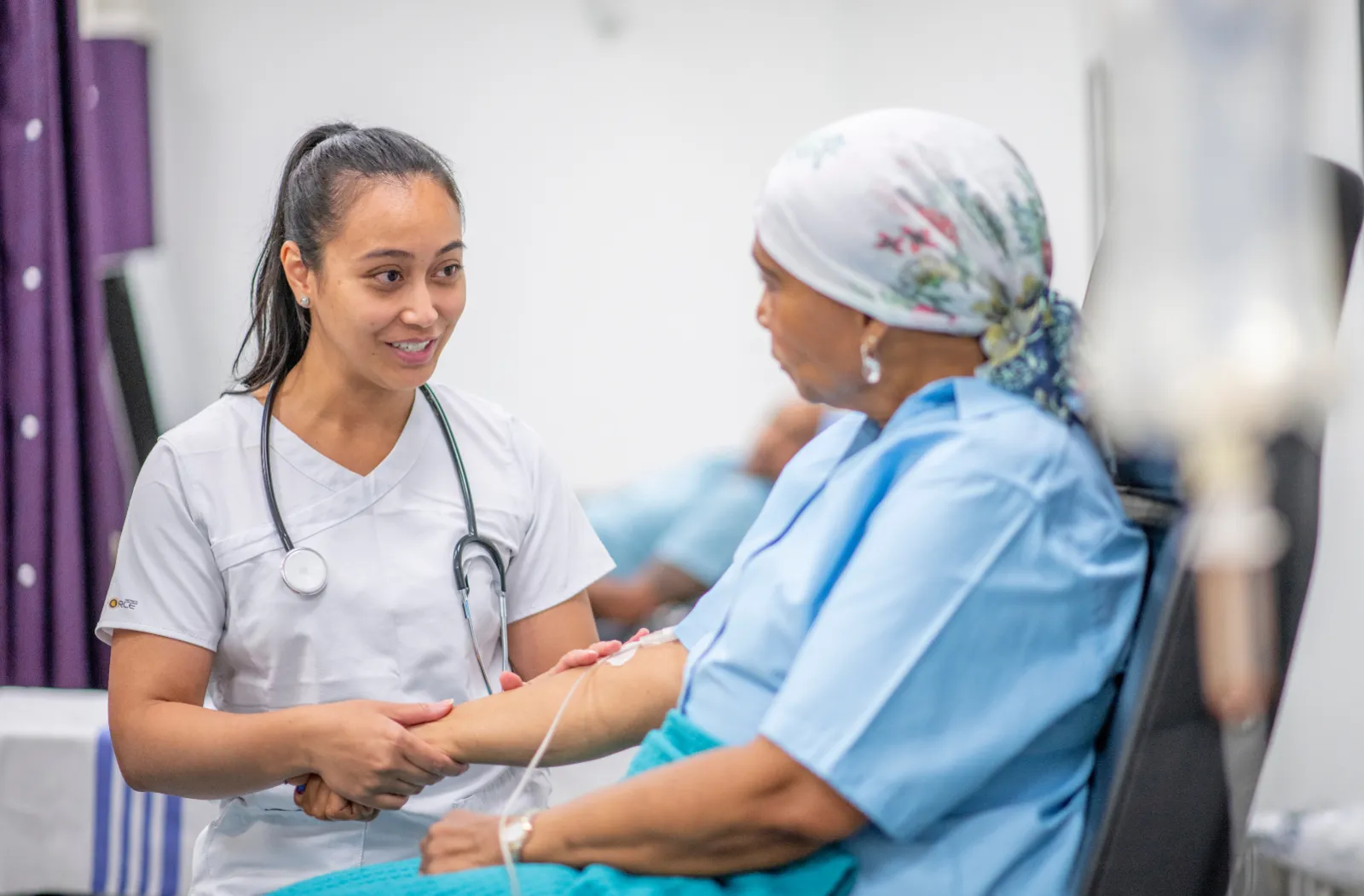
Cervical cancer remains one of the starkest examples of inequality in global health. It is a disease we know how to prevent, detect early, and treat effectively—yet it continues to claim the lives of far too many women, particularly across low- and middle-income countries of the Commonwealth. This is not a failure of science; it is a failure of access, equity, and sustained political priority.
Still, there is also a clear opportunity. Cervical cancer is the first cancer the world has committed to eliminating. Whether we succeed will depend not only on strong health systems, but on leadership that places women’s health, dignity, and rights firmly at the centre of national agendas.
Across the Commonwealth, First Ladies and Spouses of Heads of Government are uniquely positioned to provide that leadership. While not elected, they carry moral authority, national visibility, and the trust of communities. For decades, many have championed issues affecting women, children, and vulnerable populations. In the effort to eliminate cervical cancer, their role is increasingly important.
When a First Lady speaks openly about human papillomavirus (HPV) vaccination or the importance of screening, it sends a powerful message that women’s health matters. When Spouses of Heads of Government visit clinics, engage with young people, or stand alongside people with lived experience, they bring credibility and urgency to national efforts. In doing so, they help elevate cervical cancer from a technical issue to a national priority.
Their leadership is also critical in breaking the silence and stigma. In many communities, misconceptions about HPV, fear of screening, and the stigma associated with diagnosis continue to prevent women from seeking care. By speaking with clarity and compassion, First Spouses can help normalise conversations, replace myths with evidence, and encourage women to come forward early.
Image
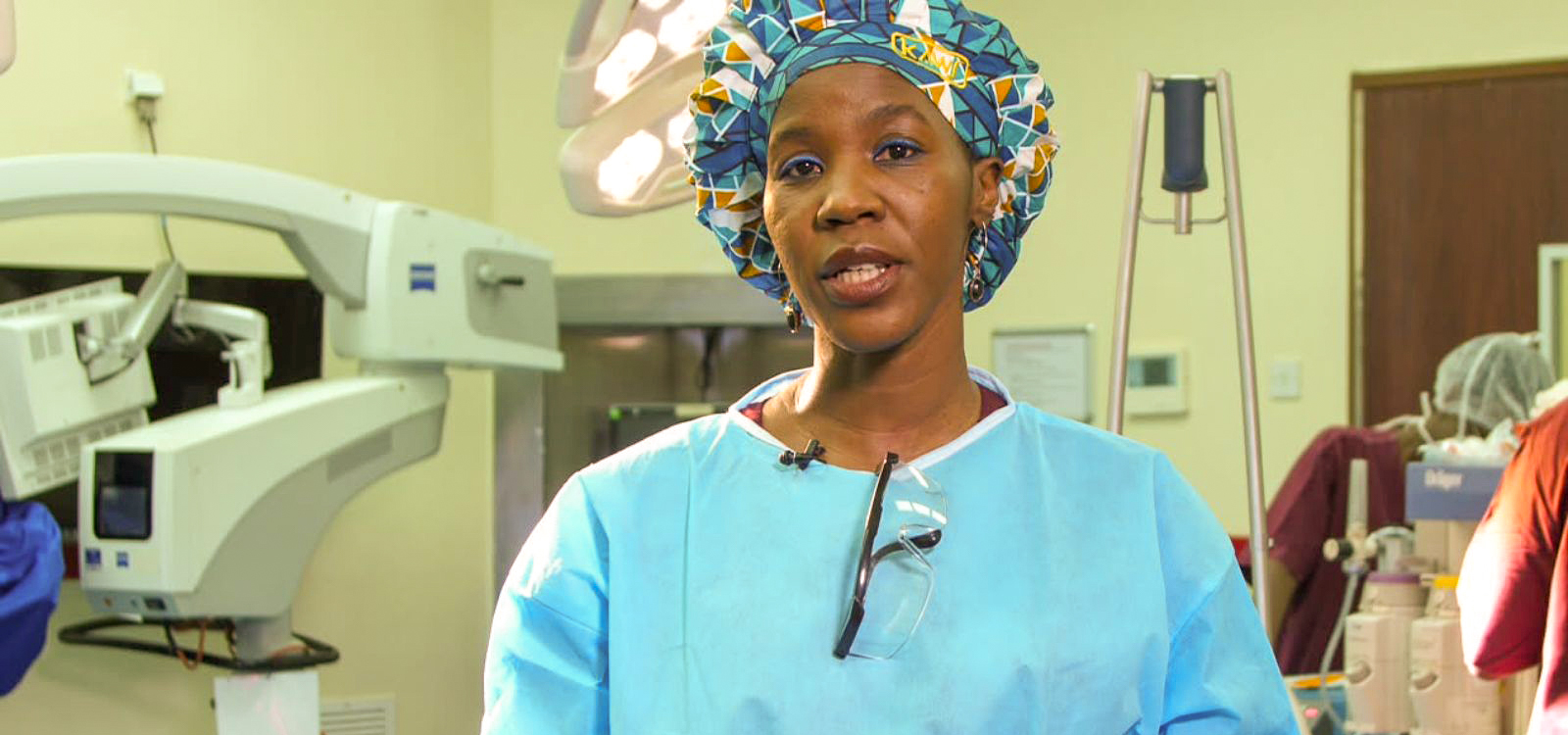
Photo credit: Aga Khan University Hospital, Nairobi
From influence to impact: A clear pathway to elimination
Across member countries, this leadership is already making a difference. First Ladies and Spouses of Heads of Government have championed national HPV vaccination programmes, supported screening initiatives, and used their platforms to raise awareness and encourage uptake of services. These actions are helping to shift perceptions and increase participation—demonstrating how visible advocacy can translate into real impact.
At the global level, the World Health Organization has set out a clear pathway through its 90–70–90 targets: vaccinating 90 per cent of girls against HPV, screening 70 per cent of women at key ages, and ensuring that 90 per cent of those in need receive treatment. These targets are ambitious but achievable. Reaching them, however, requires more than technical solutions—it requires sustained political will and leadership that can mobilise societies and maintain momentum over time.
This is where the Cervical Cancer Advocacy Toolkit for First Spouses comes in. Its launch at the upcoming 2026 Inaugural Commonwealth Health Coordination Forum marks an important step forward for the Commonwealth. Designed to support leadership in practical ways, the Toolkit provides clear information, evidence-based messaging, and guidance to help First Ladies, Spouses and their teams engage communities, address misinformation, and support national efforts across prevention, screening, and treatment.
Importantly, the Toolkit is adaptable. It recognises that different countries face different challenges from small states contexts to larger, more complex health systems—while remaining grounded in a shared global framework.
Sustaining momentum for impact across the Commonwealth
Eliminating cervical cancer will not be achieved through a single campaign. It requires sustained commitment, adequate financing, and long-term policy continuity. First Ladies and Spouses have a vital role to play in maintaining this momentum, ensuring that cervical cancer remains visible, that commitments are sustained, and that progress reaches the most marginalised women and girls.
The path ahead is clear. The tools exist. The evidence is strong. What matters now is leadership.
Across the Commonwealth, First Ladies are helping to lead this effort, working alongside governments, communities, and people with lived experience to turn the promise of elimination into reality. If this leadership is sustained, a future where no woman dies from cervical cancer is not beyond reach; it is within our grasp.