


By Dr Lin Sambili, Adviser, Sport for Development and Peace (SDP), Commonwealth Secretariat.
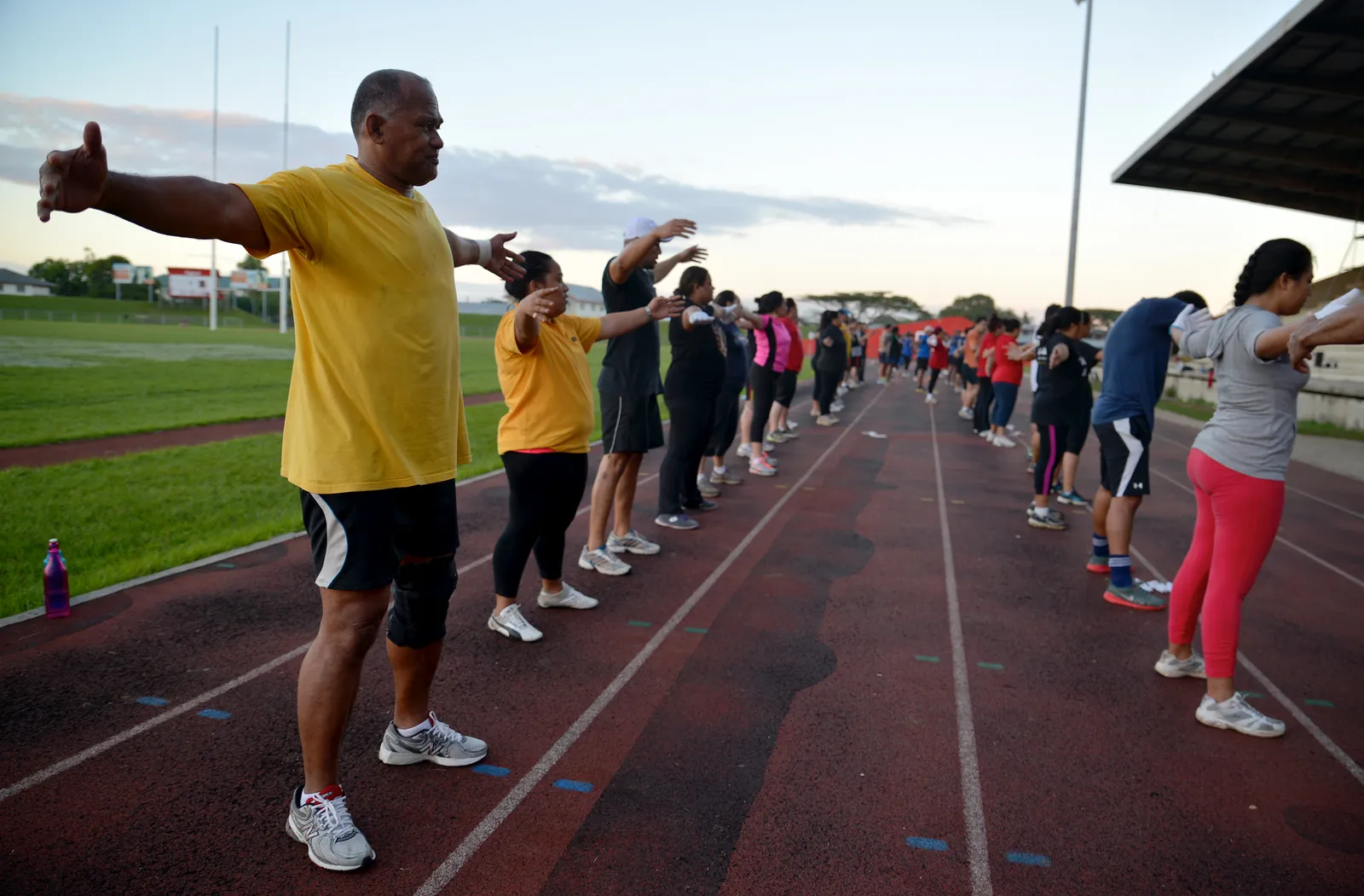
Access to sport for all is incredibly important because when intentionally utilised, sport serves as a bridge to a better and more integrated society.
In the Commonwealth, sport is a high value asset that brings together communities and societies. It has a popular appeal, particularly to our young people, who make up around 60 per cent of the 2.7 billion population across the 56 member countries.
Globally and around the Commonwealth, 2026 is a big year for sport. In July, the 2026 Commonwealth Games will take place in Glasgow from 23 July to 2 August. A day before the Games, the Commonwealth Secretariat, hosted by the Scottish Government, will convene the 12th Commonwealth Sports Ministers Meeting (12CSMM) in Glasgow on 22 July 2026.
This is a key moment for sport in the Commonwealth. The Sports Ministers Meeting and Games will bring countries together to celebrate our shared values, showcase our sporting excellence and build on friendships that connect the Commonwealth. They also present an opportunity to show how sport can drive positive change beyond the field, by bringing people and communities together and supporting local economic activity.
The 23rd Commonwealth Games will welcome close to 3,000 athletes from 74 Commonwealth Games Associations. They will compete for 215 gold medals across 10 sports.
With fewer barriers to hosting and a smarter, city-centred approach, Glasgow 2026 sets a new standard for future Commonwealth Games hosts. This is reflected in the integrated competition programme, which brings Para and non-Para athletes together to compete in their respective events, helping to deliver the most inclusive Commonwealth Games yet.
In many ways, Glasgow 2026 offers a new path for the sporting sector. It shows how cities can adapt existing infrastructure creatively and improve access to sport both at the community and elite level.
More importantly, it signals a celebration of all athletes, engages sporting fans across the Commonwealth, and demonstrates the Commonwealth’s commitment to inclusion and equal opportunity.
The impact of sport
Earlier this year, together with partners, including UNESCO, we launched our Global Sport and SDGs Initial Baseline and Impact Report. Drawing on data from 210 countries, the report proposes a shared framework to strengthen policy, investment and accountability in sport for development across the Commonwealth’s 56 member countries and beyond.
The report’s findings show that many Commonwealth countries are already using sport to achieve wider social benefits.
Jamaica, for example, shows how sport can promote education and gender equality at the national level. Its compulsory physical education programmes for girls demonstrates how sport policy can help build confidence, leadership and equal opportunity from an early age.
Malaysia and Mauritius stand out for their efforts to promote peaceful, inclusive and equitable societies. Both countries show the importance of dedicated strategies to include persons with disabilities in physical education and to support meaningful participation.
Singapore offers another strong example in promoting health and well-being, with sustained investment in public spaces, recreational facilities and programmes that encourage citizens to stay active. It shows how the right policy choices can help make physical activity part of everyday life, not just organised sport.
Policy into practice
These examples show us yet again why the upcoming Sports Ministers Meeting is so important. It is a platform where policy conversations move beyond the page and into action that reaches far beyond the playing field and into communities.
The evidence is clear, and the country examples show that progress is possible when governments invest in the right systems, partnerships and programmes. In Glasgow, ministers, partners and practitioners will have the opportunity to build on this momentum, share what is working, and agree practical steps that can make sport more inclusive, better supported and more impactful for communities across the Commonwealth.
For a sector that is increasingly being asked to deliver outcomes beyond the field of play, 12CSMM is a vital space to turn ambition into delivery.