


Blog by Henrietta Wolstenholme, Former Project Support Officer, Climate, Oceans and Energy and Natural Resource Directorate.
The energy sector sits at the centre of the climate challenge, accounting for nearly 70% of global emissions. Which means the energy sector also holds the key to solving the climate crises.
Yet the workforce shaping this future doesn’t reflect the world it serves. Women represent just 20% of the energy workforce and hold less than one in five leadership roles. Compared to other industries, the gap is significant. Therefore influencing, facilitating and opening career pathways to everyone before talent reaches the workplace matters.
Stories can change the way we see the world
Through the Commonwealth Sustainable Energy Transition Programme (CSET), the Energy Literacy Action Group is focusing on one of the most effective, yet often overlooked, levers for change: early education. One key workstream within this effort is the development of the second series children’s books.
In response, I have written and developed four children’s books designed to ground key energy concepts and build understanding of the energy sector in a playful and accessible way.
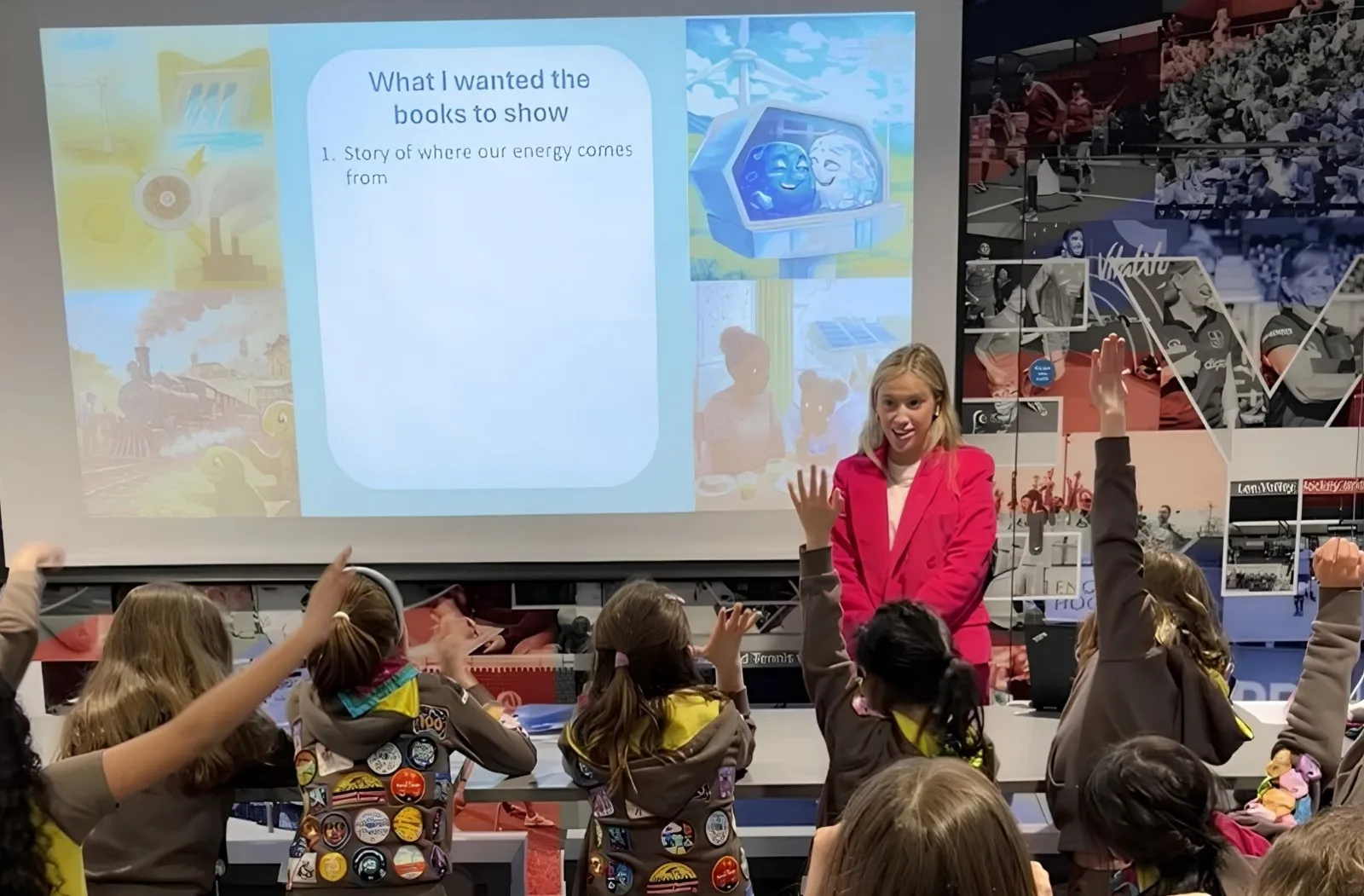
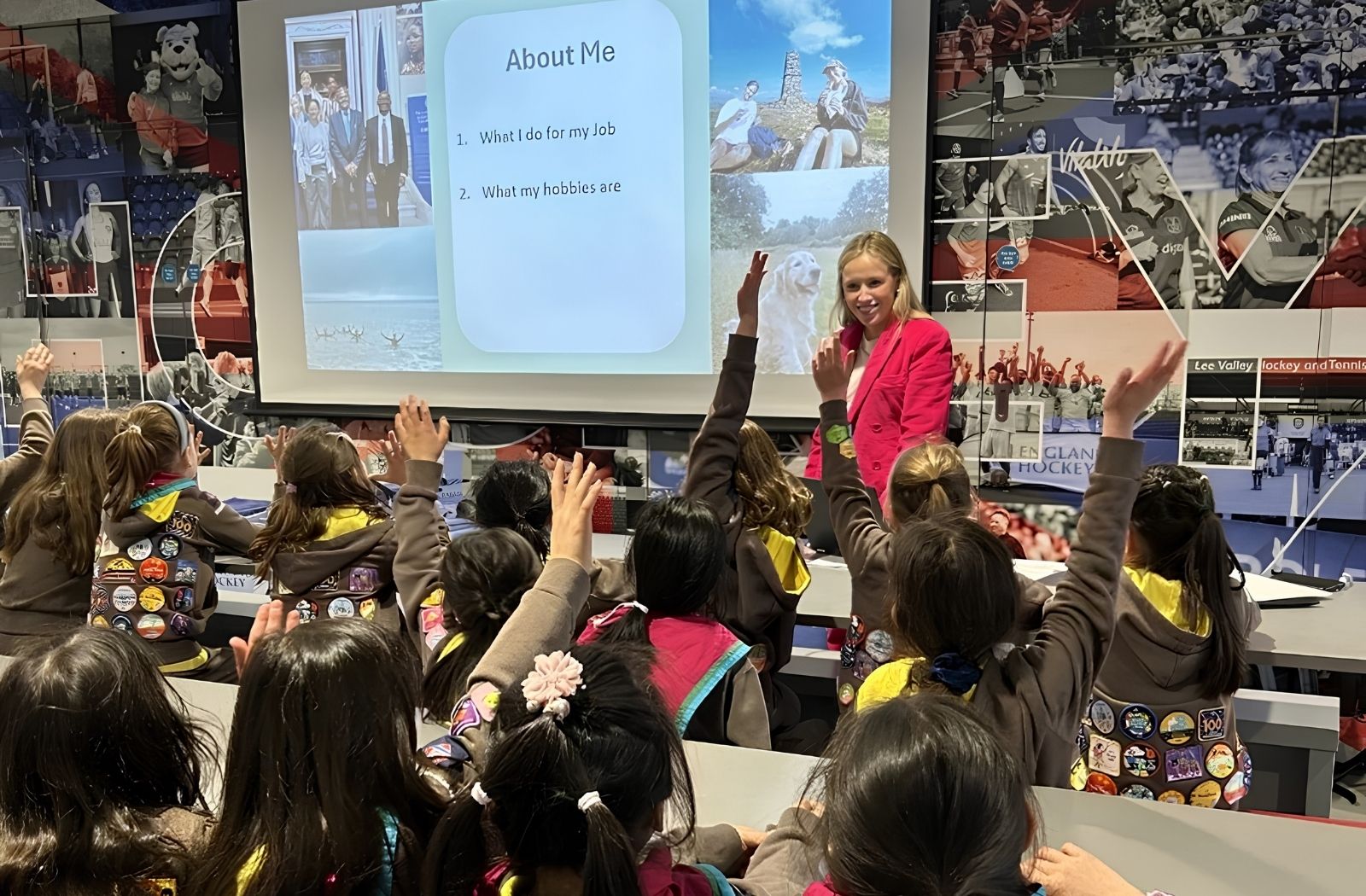
At a recent focus session with Girl Guides aged 5–11 at Stratford Olympic Park, I had the opportunity to read the books, see how the concepts resonated, and gather valuable feedback from the children.
One story aims to reshape perceptions and challenge stereotypes of a male‑dominated workforce in the energy sector by highlighting the diverse range of people who work within it. It encourages girls to see themselves at the forefront of change and reinforces that people of all backgrounds and genders are essential to achieving our energy transition goals, helping to inspire a more diverse generation of future energy leaders.
The CSET Children’s Books: Aims and objectives
The children’s stories are designed to inspire, educate, and build foundational knowledge for the next generation of energy leaders. They explore the energy sector’s important links to the environment, society, and the economy, while showing how energy can be a powerful driver of positive change, supporting sustainable development, inclusion, and long‑term environmental resilience.
Together, the stories aim to address three key areas:
- Challenging Stereotypes: The energy sector is still widely perceived as male‑dominated. These books challenge that narrative, normalising the idea that a career in energy is for everyone, regardless of gender, ethnicity or background.
- Building Understanding of Socio-Economic and Environment Intersection of Energy: The books introduce the differences between renewable and fossil energy sources. They explore their social and environmental impacts. The stories show how energy supports modern life, from healthcare and education to economic growth. They also emphasise the importance of balancing energy use with protecting communities and the environment.
- Introducing Energy Innovations: Complex concepts, such as critical minerals, are simplified. The stories show how materials beneath our feet now power clean technologies, including renewable energy and battery storage.
The role of visibility
A key barrier to entering an industry is not seeing a place for yourself in it. Which can be as much about perception as it is about access. Early exposure helps address this challenge. When children understand the energy sector and can see themselves reflected in it, they are more likely to view it as a potential future career pathway.
Improving gender balance in energy is not just a workforce issue. It is essential to delivering a fair and effective energy transition. Education is a practical starting point. It builds awareness, challenges assumptions, and expands the range of people who see themselves as part of the solution.
Through initiatives like CSET, the Commonwealth Secretariat is working to ensure that everyone understands they have a role to play in addressing an energy transition, where no one is left behind.
Image
Related content
The Commonwealth Sustainable Energy Transition Agenda helps member countries fast-track an inclusive, just and equitable sustainable energy transition. Discover CSET and our Children's book series