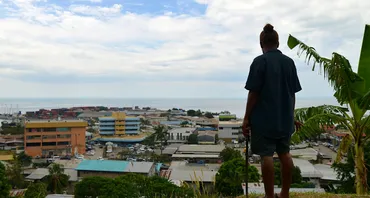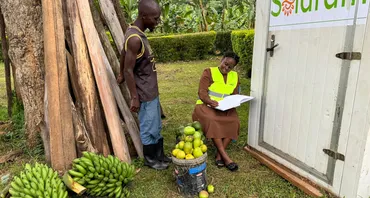


For the small island developing states of the Caribbean, climate change is an aggressive, daily reality. Intensifying tropical storms, prolonged droughts, and unpredictable weather patterns disproportionately devastate the poorest and most vulnerable communities. In Grenada, a single climate event can wipe out a lifetime of hard work, leaving homes damaged and livelihoods shattered.
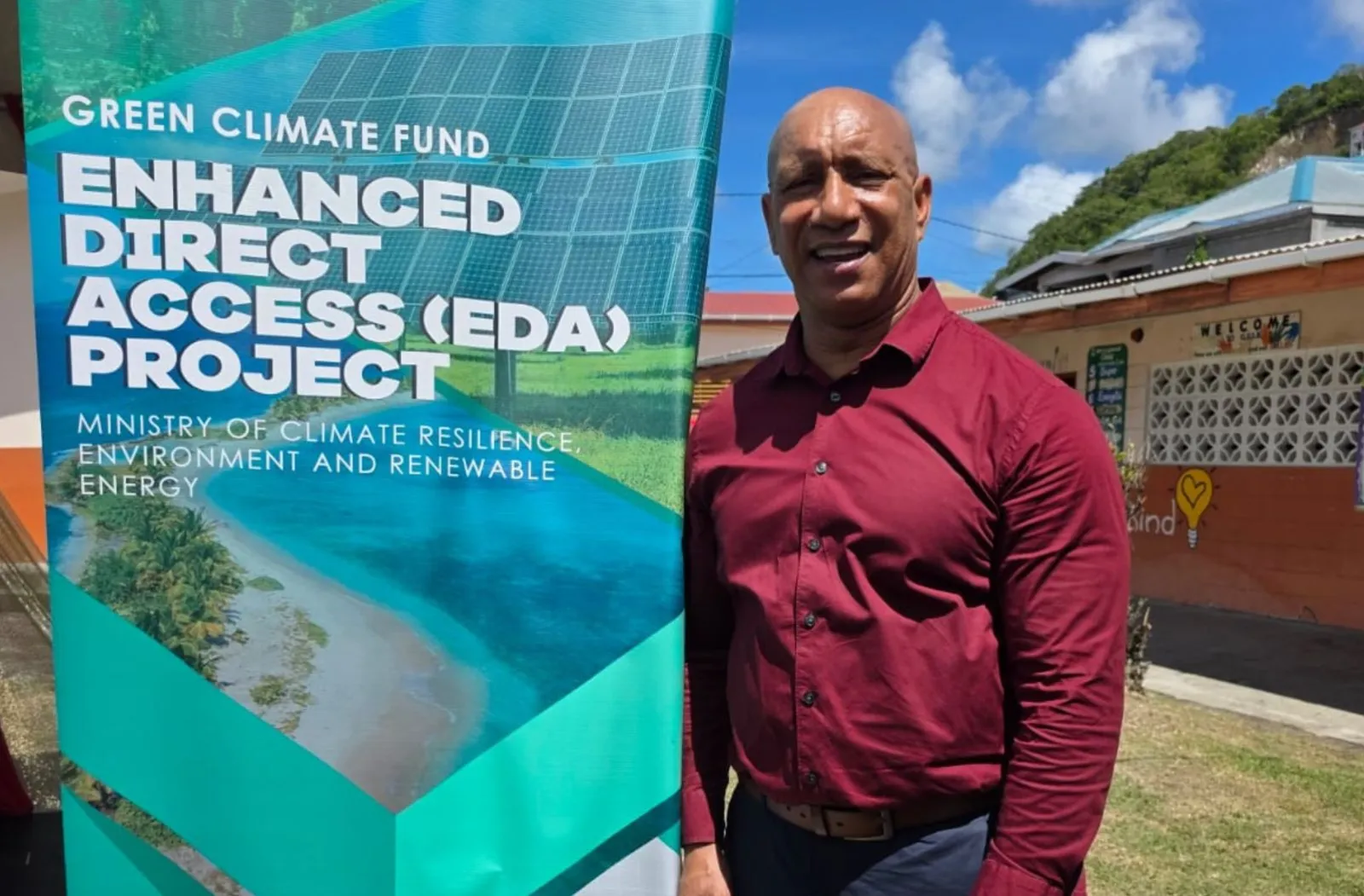
Martin Barriteau is the Commonwealth National Climate Finance Adviser to Grenada. Reflecting on the motivation for the work over the past seven years, he said:
“The goal was to build capacity and sustainable financing mechanisms within the Eastern Caribbean to access climate finance. When the cost of a natural disaster is equivalent to five per cent of GDP across all Eastern Caribbean countries, recovery would mean the difference between a positive and negative growth for these economies with an average yearly growth of only two per cent.”
For Martin, the most effective climate action begins at grassroots level. The Green Climate Fund (GCF) Enhanced Direct Access (EDA) project was built to put adaptation power in the hands of those who need it most. The US$20-million regional project divides its funding equally among Antigua and Barbuda, Dominica, and Grenada. It is designed to maximize ground-level impact by delivering climate financing via Public Sector Investment Programme (PSIP) grants, community small-grant facilities, and localised revolving loan facilities with an interest rate of no more than two per cent to build both household and enterprise resilience.
The EDA mission: Localised, innovative financing
The primary aim of the EDA project is to bypass traditional, slow-moving bureaucratic financing channels and deliver immediate, actionable climate resilience funds directly to local communities and households.
Instead of standard grant models that often fail to reach individual households, the EDA project deployed an innovative Revolving Loan Scheme. Administered in Grenada through the Grenada Development Bank (GDB) and community networks, this mechanism allows families to access low-interest, flexible loans specifically earmarked for climate adaptation. As these loans are repaid, the capital flows back into the fund, creating a sustainable, self-perpetuating financial ecosystem that will continue to protect Grenadians for generations.
Image
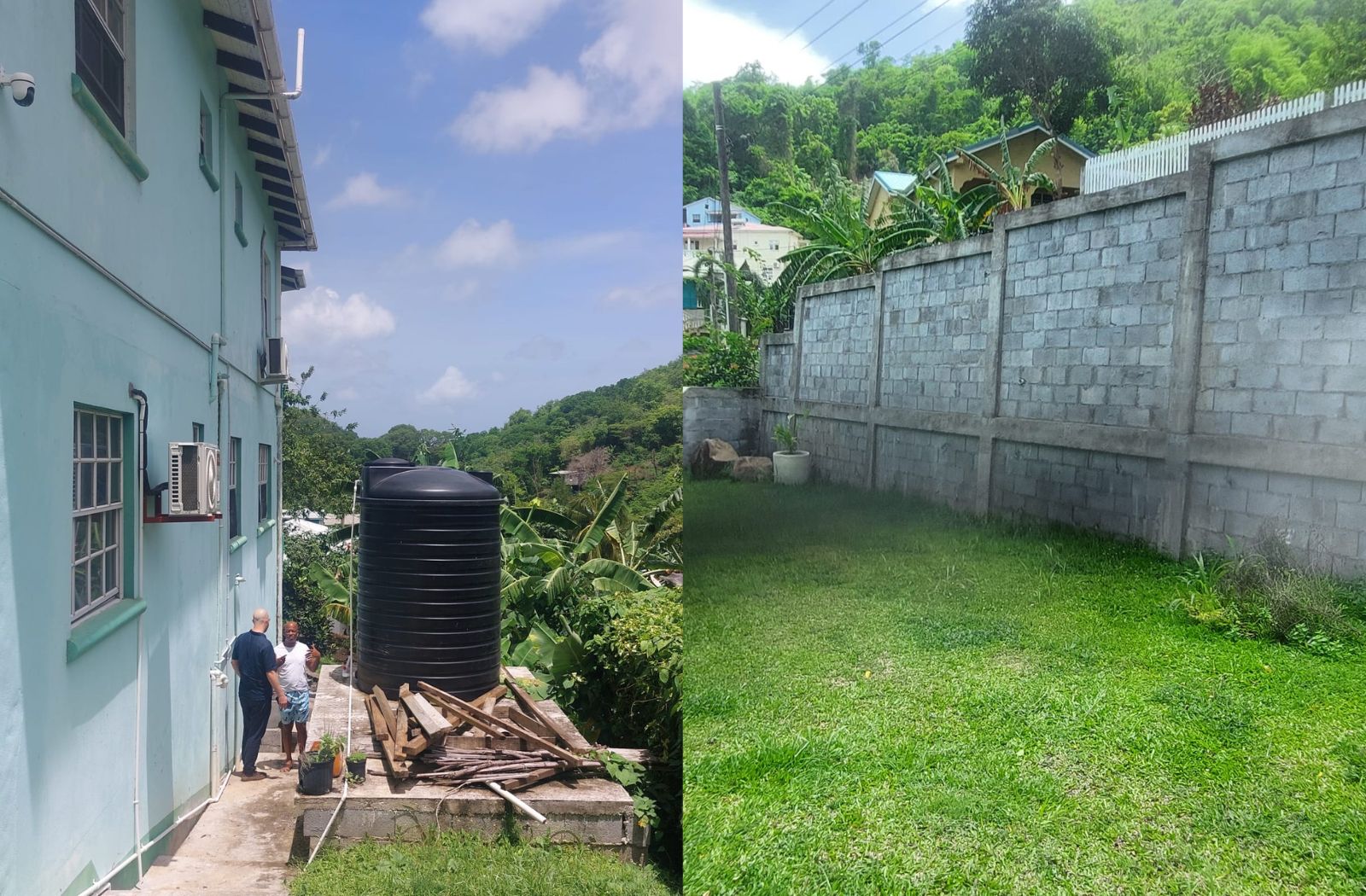
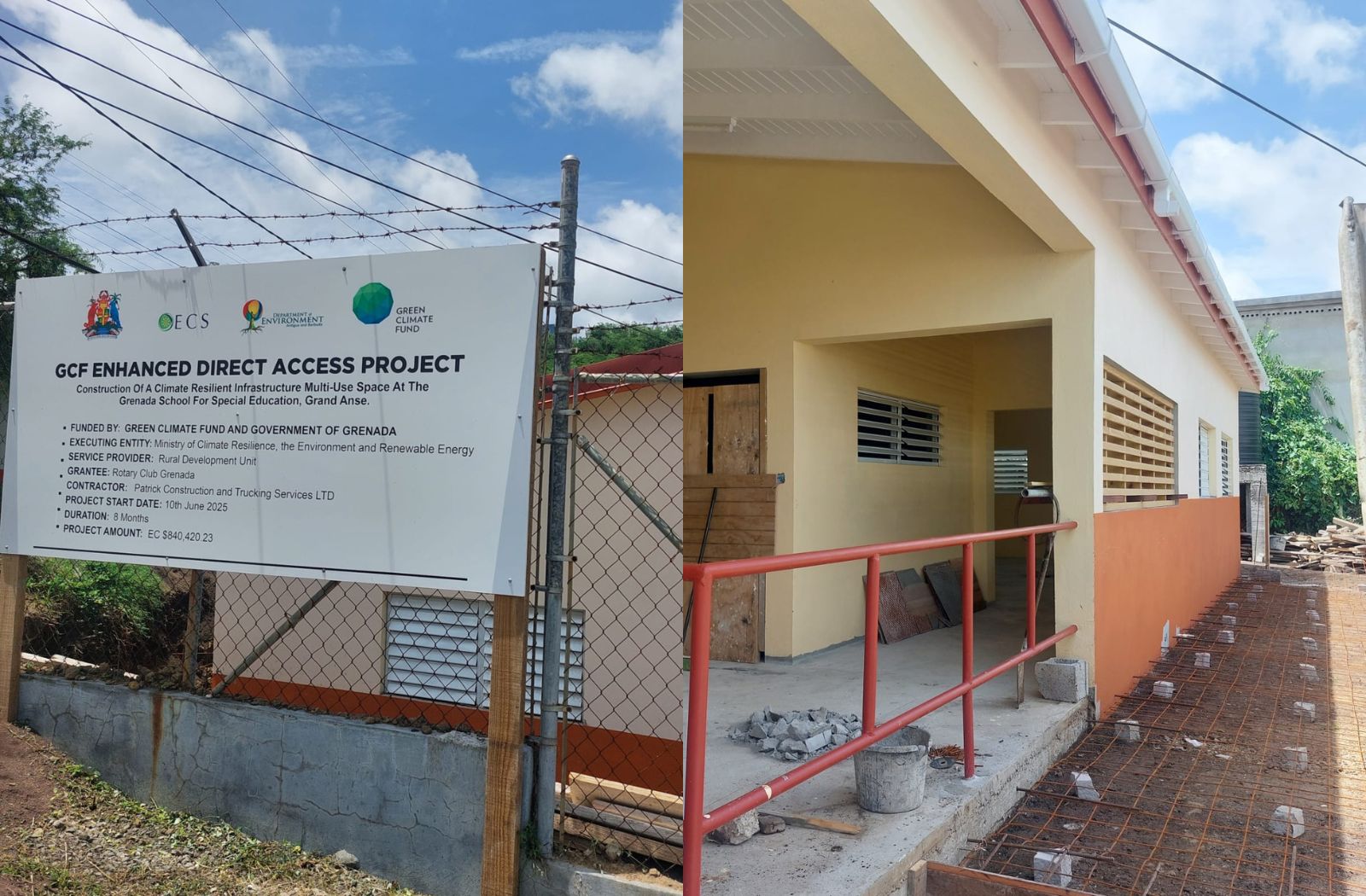
The execution on the ground focuses on critical home and livelihood modifications, including reinforcing roofs, windows, and foundations to withstand Category 5 hurricanes; installing rainwater harvesting systems and high-capacity storage tanks to combat intensifying droughts; and funding localised drainage and soil stabilisation projects to prevent catastrophic landslides during sudden downpours.
From trauma to safety
High up on Grenada's hillsides in St George, extraordinary, near-storm-force winds are a constant threat. For Kamica and Kemagon Richards and their four children, the rainy season used to be a source of severe emotional distress.
Six months after moving into their original wooden home, heavy winds completely ripped off their roof, leaving Kamica deeply traumatised. Every time a storm approached, she would panic, asking where the family could flee to find safety. During Hurricane Beryl, the family had to abandon their home entirely to seek shelter elsewhere. With their home's veranda rotting away and mainstream banks shutting them out from traditional financing. The were considered “outside the gap”, explains Kemagon.
“We reached the brink right there... we just couldn't get funding from anywhere."
Image
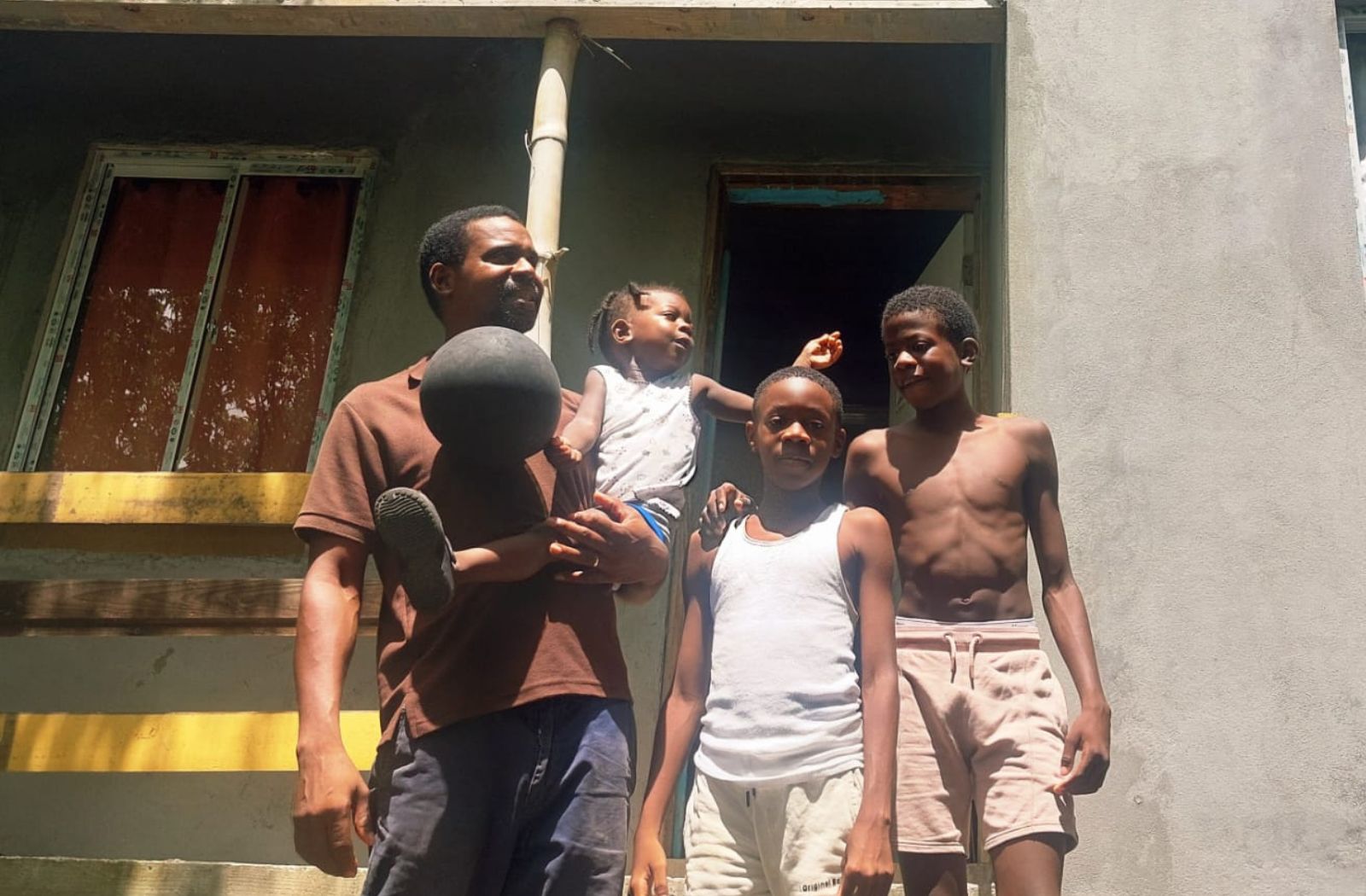
The EDA project stepped in and through the flexible revolving loan scheme, the Richards family was able to replace the failing wooden structure with a secure concrete home. Now Martin was certain that he had been a pivotal part of a life-changing project:
“Today, the family no longer need to relocate when a storm hits. When they close the windows, the howling wind is barely audible. Interestingly, while many concrete structures trap tropical heat, their new home features an elevated design and strategic preservation of local trees, allowing natural breezes to circulate, and keeping the house naturally cool at night.”
With a secure roof over their heads, the children are thriving. Their nineteen-year-old daughter just finished her college internship and started her first job, while their sons are breaking records as exceptional long-distance athletes in local cross-country events.
An end to mudslides for peace of mind
Davis Adams faced a different type of climate threat: relentless mud washing down the slope with every heavy downpour. The threat of sudden landslides was a constant shadow over the property, destroying any sense of safety.
Through the EDA project, a significant and highly engineered retaining wall was constructed along the slope. Working alongside a community road extension officer who provided technical guidance, the project reinforced the hillside and allowed the adjacent road to be sloped properly to redirect heavy runoff away from the property. The impact was immediate: the mud stopped coming down, and the constant fear of a landslide vanished. When asked what the project delivered most, Davis responded simply: "Mainly peace of mind."
The success of Grenada’s EDA project proves that when vulnerable communities—particularly women-led and low-income households—are trusted with the financial tools to drive their own adaptation, the return on investment is profound.
By replacing short-term relief with a sustainable revolving loan model and targeting critical community infrastructures, the EDA project has done more than just patch roofs, build retaining walls, and buy water tanks. It has fostered a culture of permanent climate resilience, ensuring that Grenada's most vulnerable are no longer passive victims of the climate crisis, but active architects of their own secure future.
Image
Media contact
Suné Kitshoff
Senior Communications Officer
T: +44 7740 450 901 | Email our media contact Suné Kitshoff