

The Ocean Project Seychelles is leading a research project to investigate whether rivers on Mahé, the largest island in Seychelles, are a source of plastic pollution and marine litter.
Global scientific literature tells us that over 80 per cent of all plastic pollution and marine litter originates from rivers flowing through urban areas. However, whether Seychelles follows this global trend is unknown as plastic pollution research in the Seychelles remains very limited, particularly regarding microplastics. This raises the question about how representative current literature is, especially when looking for plastic pollution-specific research across the Commonwealth.
The Ocean Project Seychelles is funded by the Commonwealth Blue Charter Project Incubator, which supports early-stage innovation and implementation of projects that can help drive the policy, regulatory, and legislative changes needed to drive long-term ocean action and investments across the Commonwealth.
Three rivers run through it
The Seychelles incubator project had two primary goals:
- to collect baseline data on the presence, quantity and composition of microplastics in freshwater systems on Mahé, and
- to develop a comprehensive microplastics monitoring protocol to be shared with other local conservation agencies.
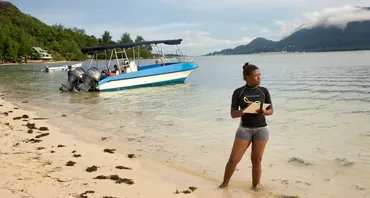
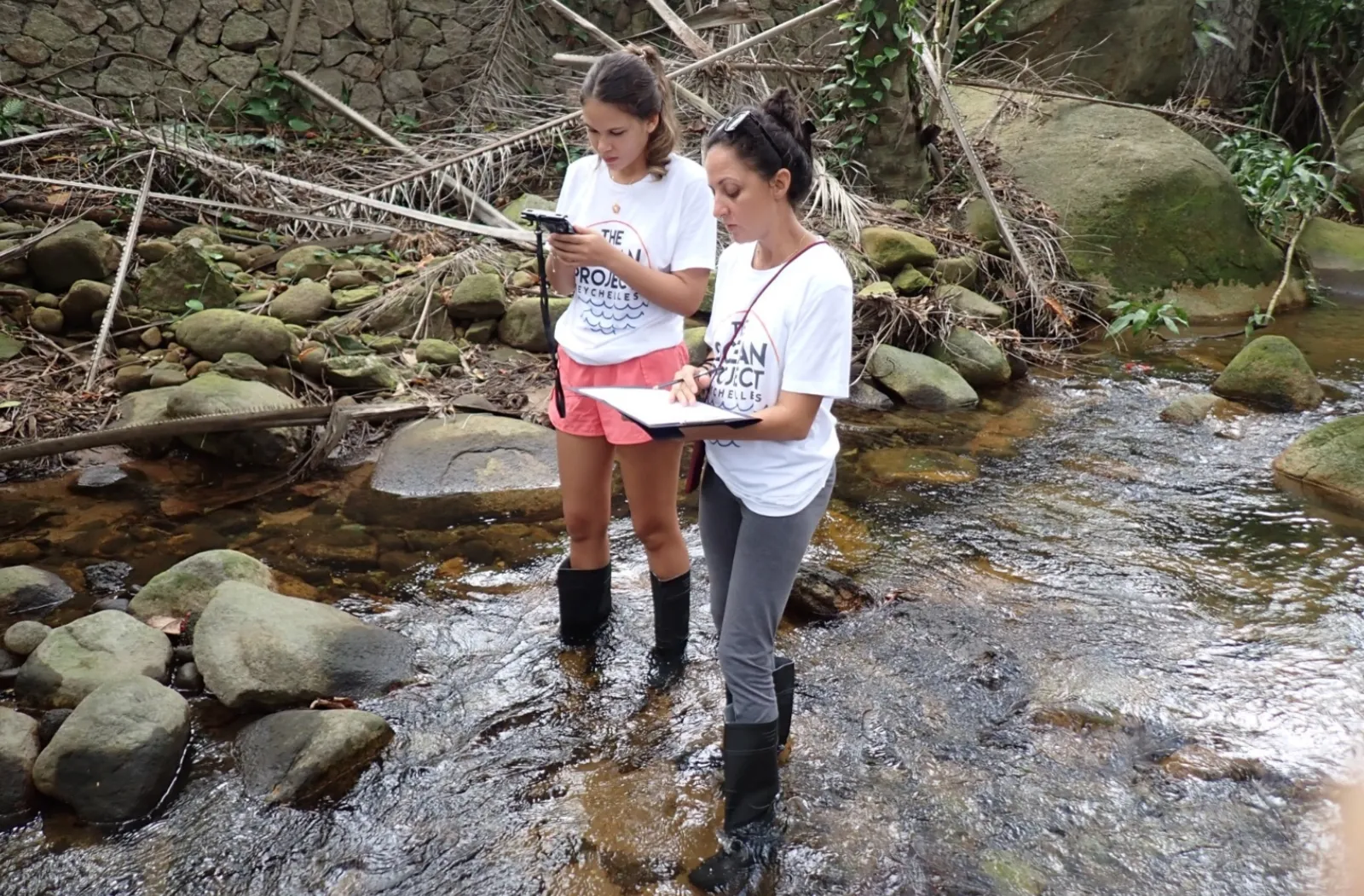
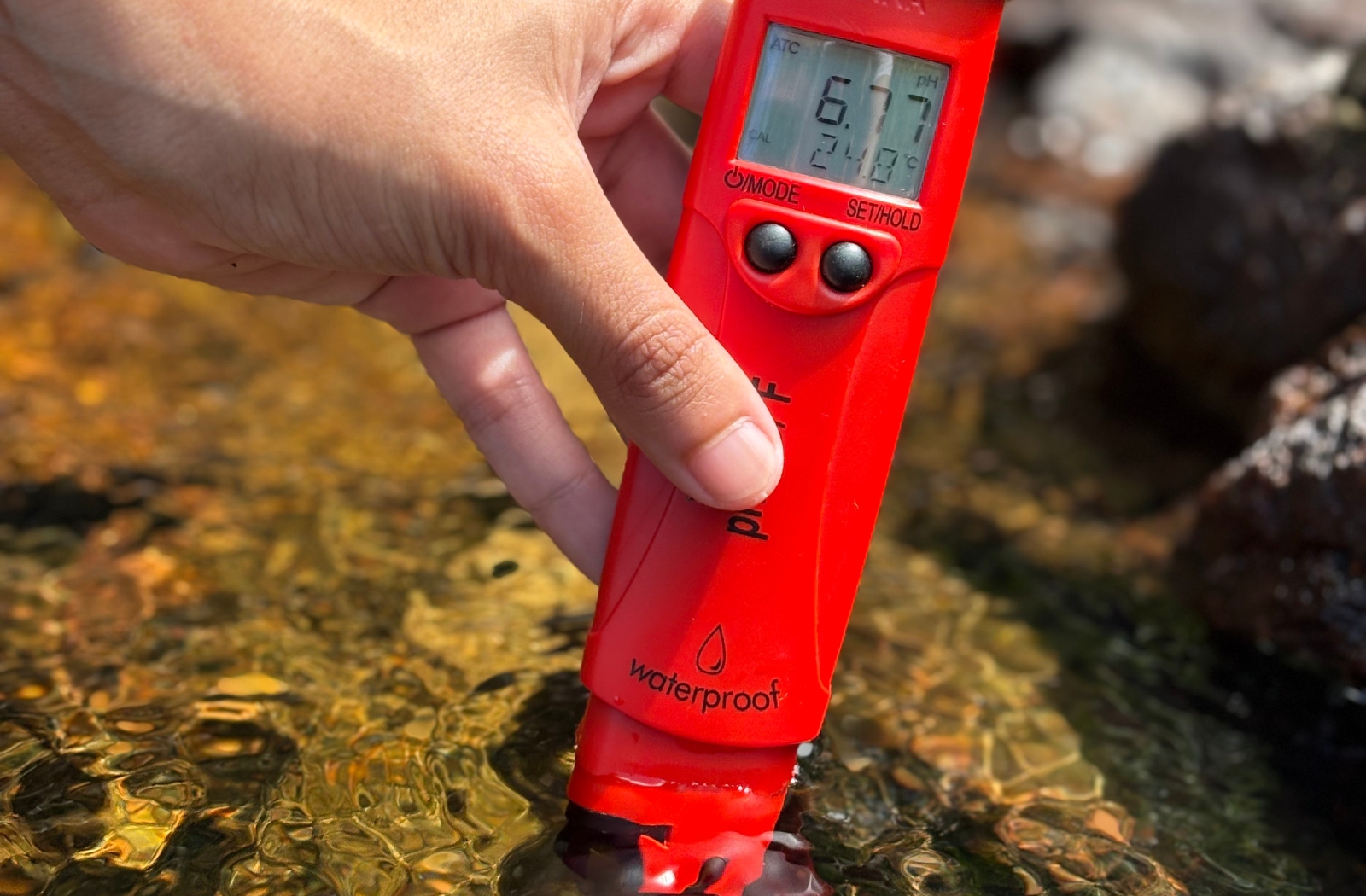
The project focused on three rivers on Mahé, located in Belombre, Anse Royale and Port Glaud. These three rivers represent systems that are impacted by different levels of human activity - residential, agricultural and pristine areas. To have a comprehensive understanding of each river system, data was collected across three distinct sampling sites of each river, namely the upper, middle, and lower courses. At each of these sites, several pieces of environmental data were collected:
- site GPS location
- river depth
- river width
- river flow speed
- river temperature
- river pH
- Macro-litter observations
Image
In addition to these environmental data sets, three litres of river water were collected at each site.
Water samples are poured through a stack of five metal sieves with differing mesh sizes allowing for the separation of microplastics into different size categories. Classifying the microplastics by type, such as fragments, beads, films, or fibers helps pinpoint their original source. Additionally, erosion levels from 'fresh', 'slightly weathered' to 'very degraded/biofouled' reveals how long the plastics have been present in the river system.
Quantifying and identifying these materials will help identify the primary sources of plastic pollution, providing the critical data needed to inform future waste management policies and regulations in Seychelles.
Community engagement enhances research
Image
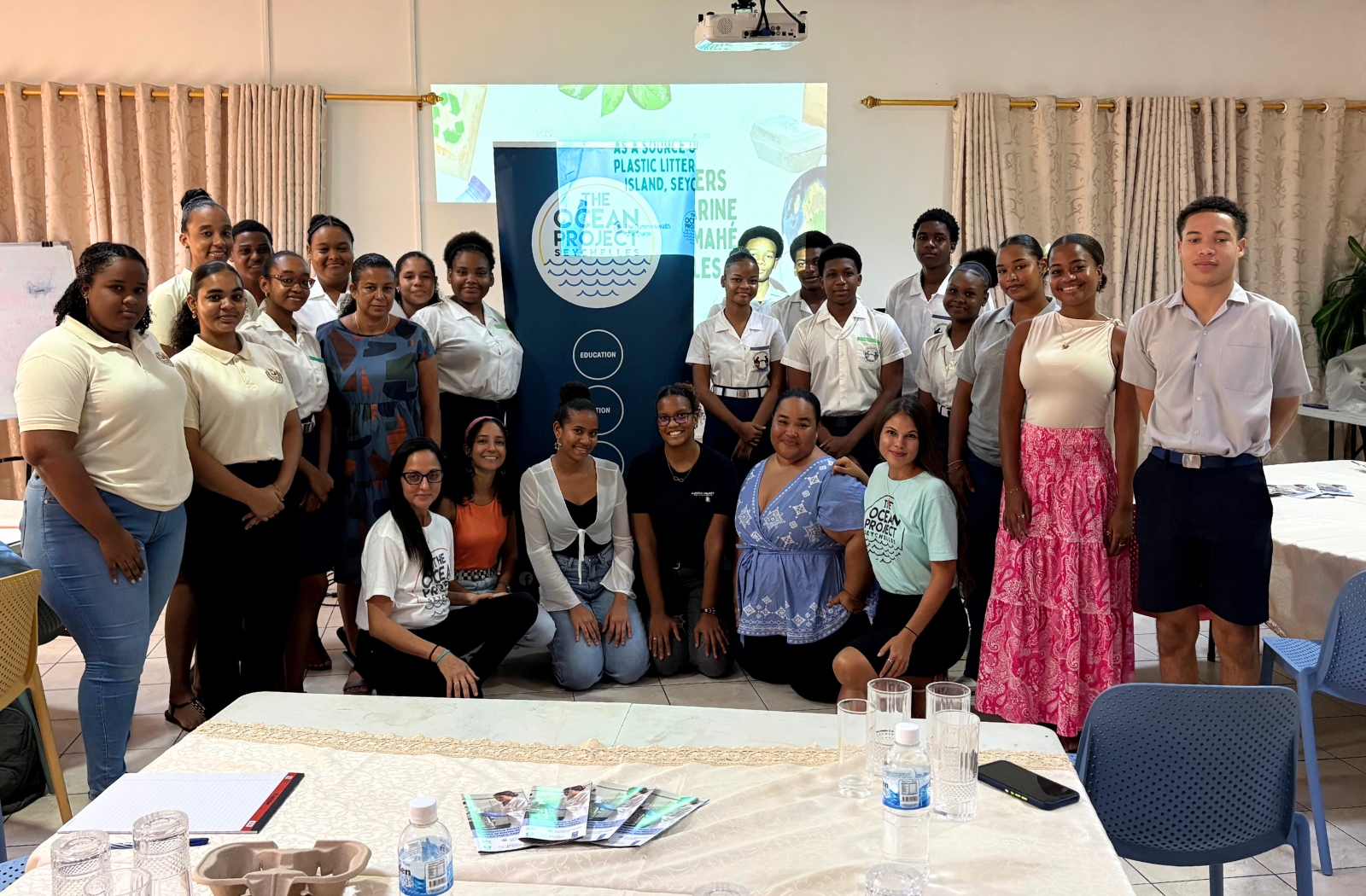
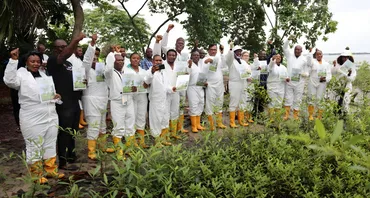
During the project, the researchers hosted three community engagement activities. For two field sessions, primary school learners from the Belombre eco-school club and students from the University of Seychelles were invited to gain hands-on experience with field equipment, including the multi-parameter probe, transect tape, and water flow meter.
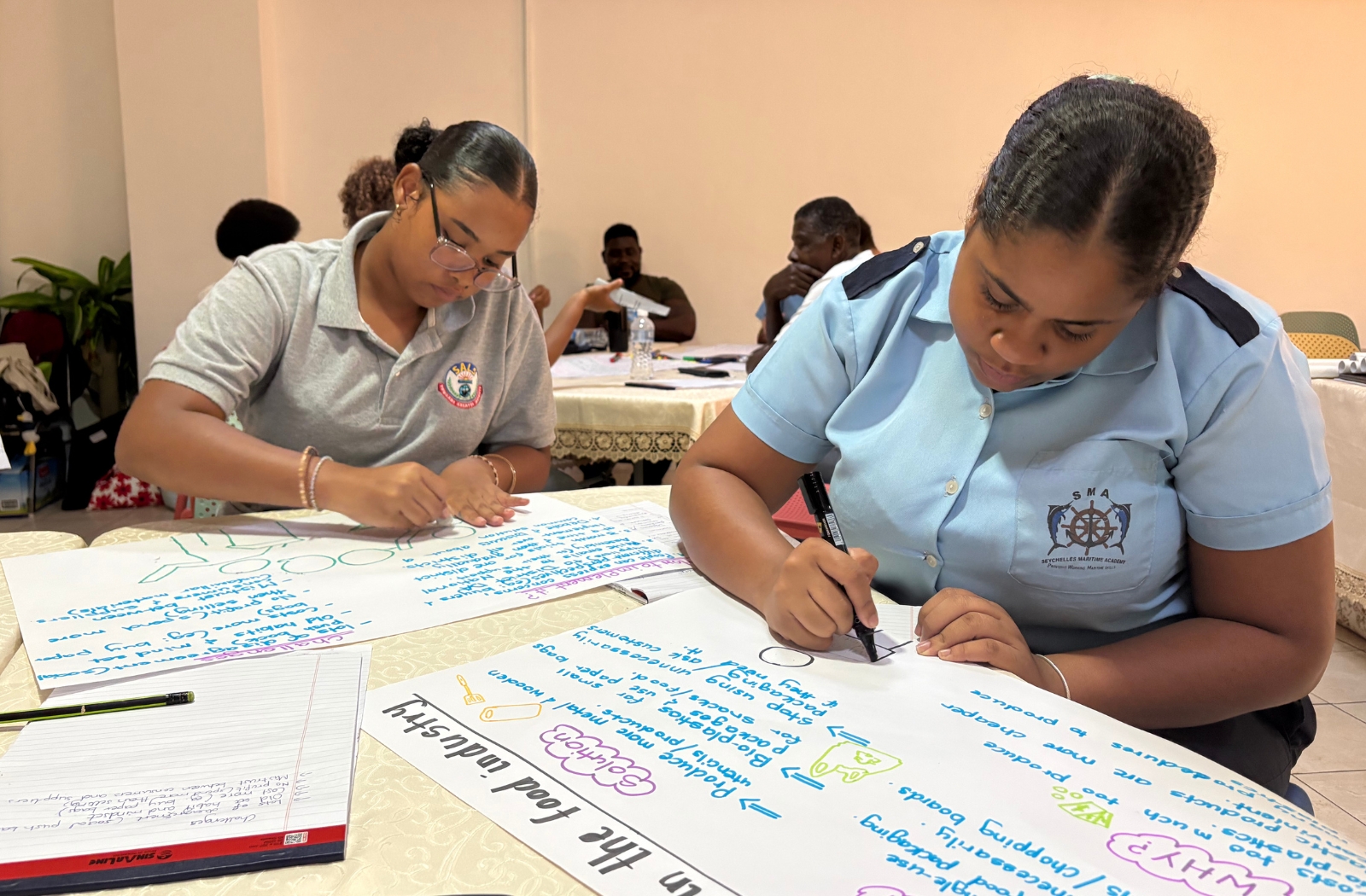
One workshop focused on raising awareness among the youth regarding the sources and impacts of plastic pollution and marine litter. Participants from six schools attended an interactive group session, where they identified local plastic-related issues and proposed practical solutions and implementation strategies. Educational initiatives like these are vital for fostering public interest and driving community action in environmental conservation.
Image
The Commonwealth Secretariat will soon open the call for proposals for its Blue Charter Project Incubator Round II, supporting Commonwealth countries to design and scale ocean solutions that accelerate fair, sustainable and inclusive marine projects, while helping with climate change adaptation and mitigation.
Media contact
Suné Kitshoff
Senior Communications Officer
T: +44 7740 450 901 | Email our media contact Suné Kitshoff