


Op-ed by Commonwealth Secretary-General, Hon Shirley Botchwey
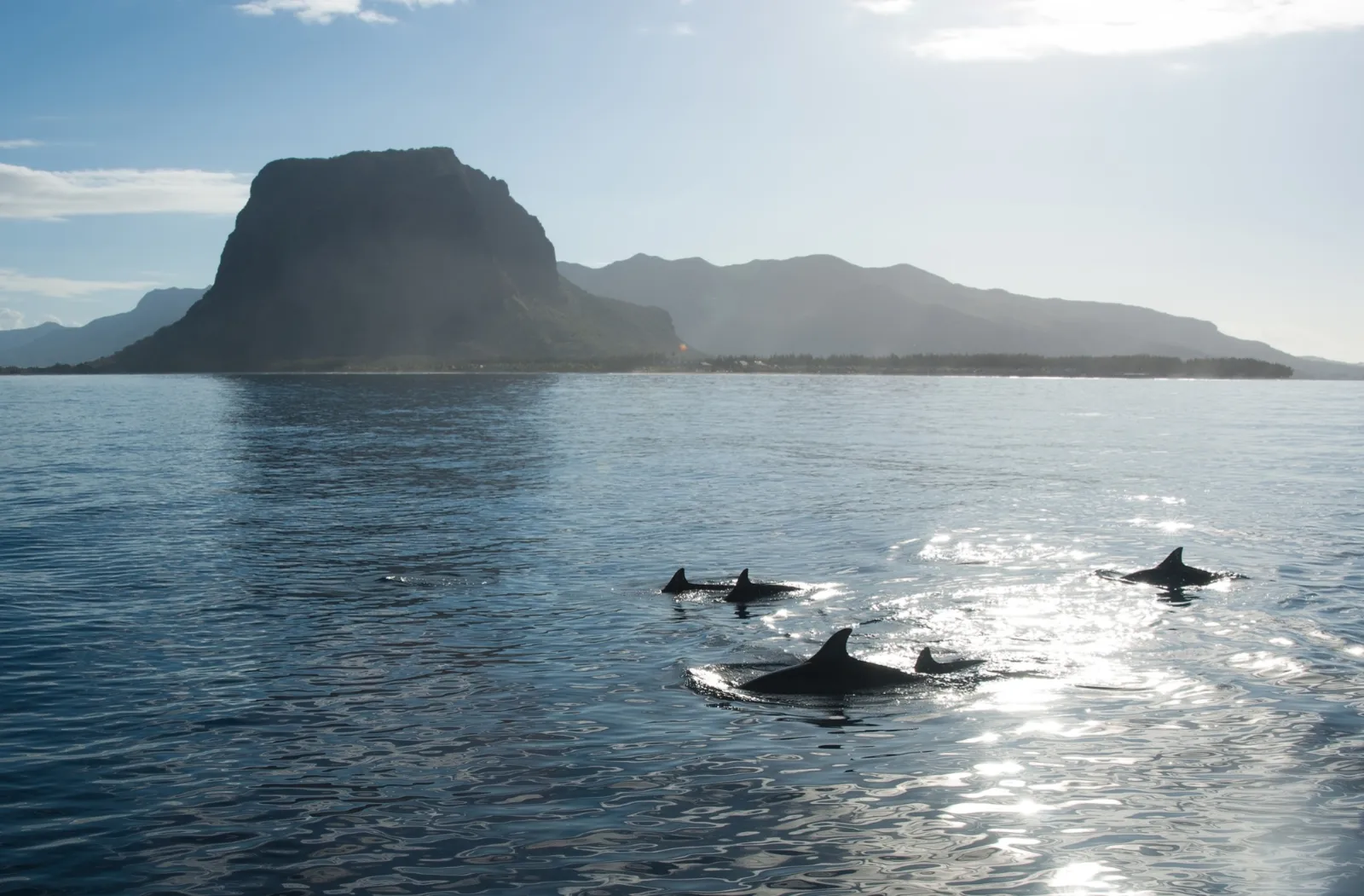
More than half the oxygen we breathe comes from the ocean. It provides food for three billion people. It regulates our climate, sustains livelihoods, carries trade and connects communities across continents.
And the Commonwealth has a special role in protecting the ocean. Our 56 nations are stewards of more than one third of marine waters under national jurisdiction and half of the world’s coral reefs. Thirty-three of our members are small states, many of them Small Island Developing States, for whom the ocean is both a vital resource and a way of life, a source of identity, and a frontline against climate change.
This proverbial frontline is no small thing. Our ocean is the largest carbon sink which means it traps carbon and helps us regulate greenhouse gas emissions. But when we neglect to protect our ocean, fight for it on every global platform and stage, it will lose its ability to safeguard the living beings of our planet.
The ocean emergency demands action
Ocean health is deteriorating at an alarming rate. Fish stocks are under pressure. Coral reefs are being bleached. Plastic pollution is entering food chains. Rising temperatures and acidification are changing marine ecosystems faster than many communities can adapt.
And the costs are not borne equally.
Those who have polluted least, such as small island states, and extracted least are too often paying the highest price through lost livelihoods, damaged infrastructure, food insecurity and rising debt.
In recognition of this hardship, the Commonwealth has placed ocean action at the heart of its agenda. At the 2024 Commonwealth Heads of Government Meeting in Samoa, leaders ratified the Apia Commonwealth Ocean Declaration.
It calls for action - across the full scale of the ocean emergency - including a legally binding instrument for urgent progress towards protecting 30 per cent of the ocean by 2030.
Image
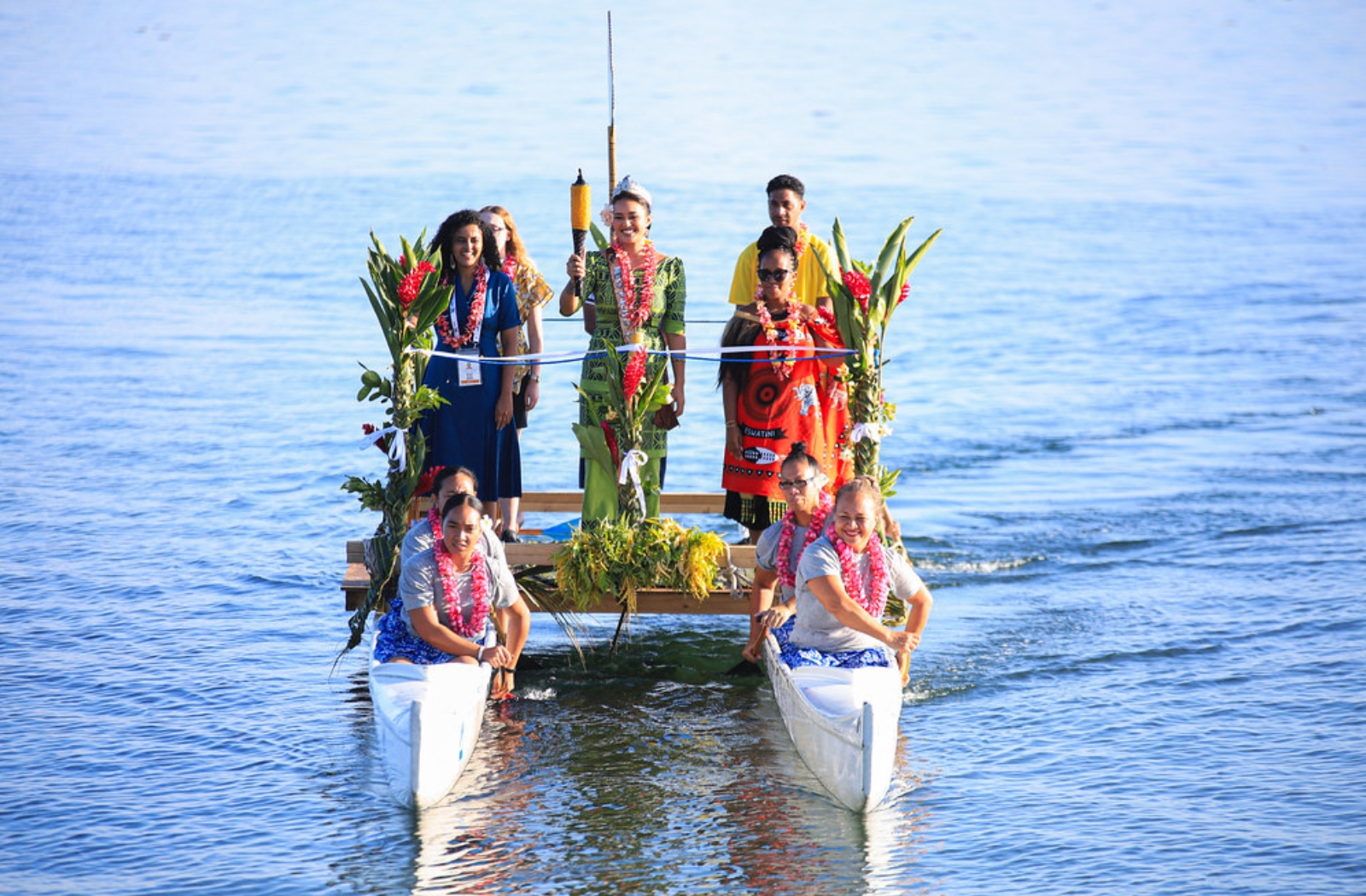
This ambition matters because half of our planet is made up of international waters. For too long, they have been poorly protected.
The entry into force of the High Seas Treaty – known as the Biodiversity Beyond National Jurisdiction (BBNJ) Agreement – in January 2026 changed that. For the first time, the world has a legal framework, and an opportunity to establish marine protected areas in international waters and safeguard biodiversity beyond national borders.
This is a historic agreement. But treaties on paper do not themselves protect the ocean. They protect the ocean when countries implement them, finance them, and translate them into domestic law and practical action.
Turning ambition into action across the Commonwealth
That is where the Commonwealth has a special role to play.
At a time when multilateralism is under severe strain, the Commonwealth is proving that cooperation can still move from declaration to delivery, and from shared vulnerability to shared action.
Across our regions, Commonwealth countries are already helping turn the promise of the High Seas Treaty into reality. In Africa, The Gambia, Ghana, Nigeria and Sierra Leone have been instrumental in the Economic Community of West African States (ECOWAS) identification of, and proposal for, a 200,000 km² marine protected area in the Atlantic Ocean.
In the North Atlantic Ocean, Bermuda and the United Kingdom have launched a consultation on the Hamilton II Declaration to protect the Sargasso Sea. The United Kingdom has also commissioned research to evaluate and select sites for environmental protection in international waters.
In the Pacific, Australia has financed a research symposium on protecting the South Tasman Sea and Lord Howe Rise, which have been identified as priority sites for marine protected areas in international waters.
These initiatives are important in their own right. But together, they show the emergence of a practical Commonwealth consensus on high seas protection, stretching across oceans and continents.
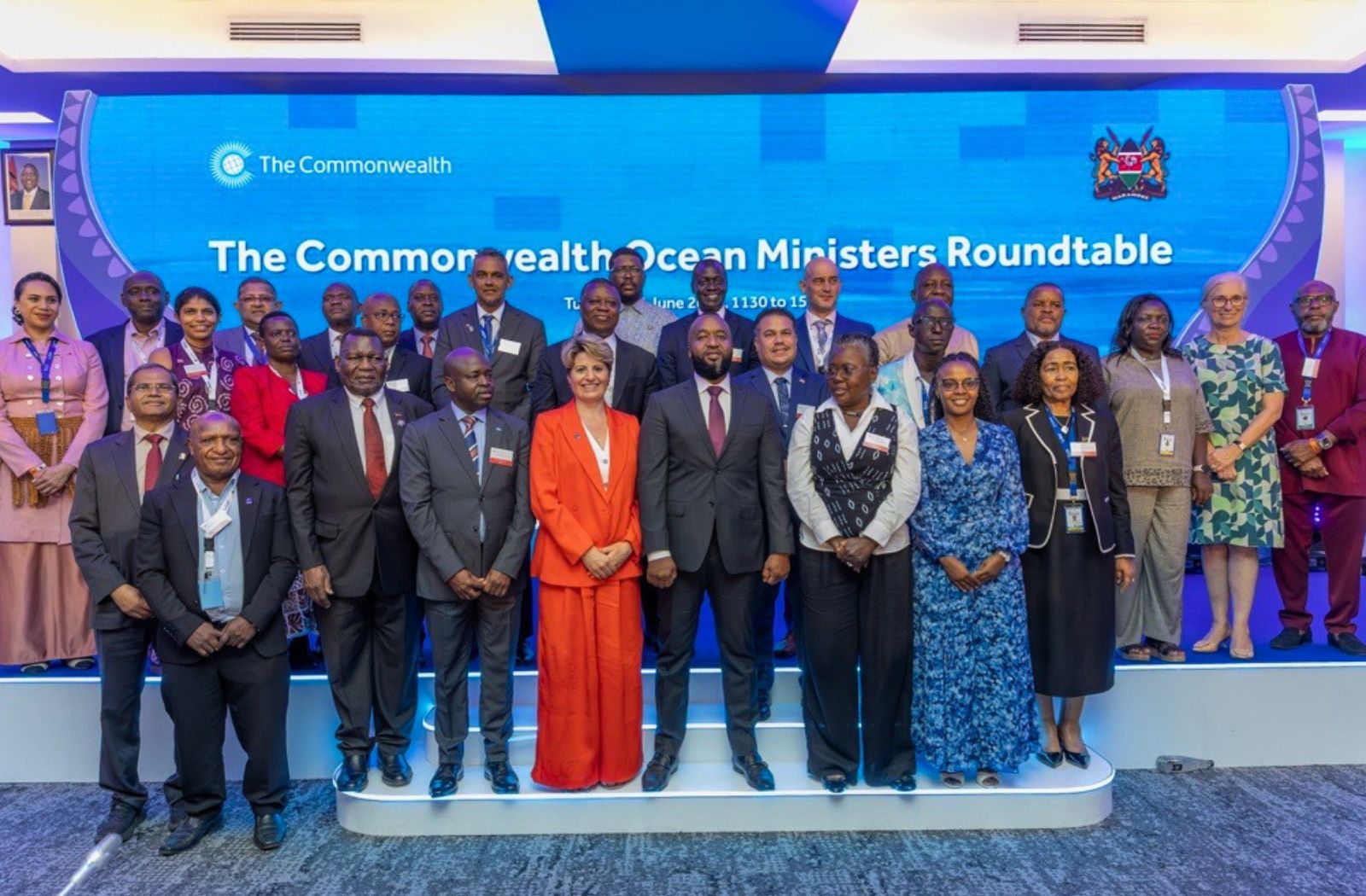
That consensus has deepened in Mombasa, Kenya, where Commonwealth Ocean Ministers met on 16 June on the margins of the 2026 Our Ocean Conference. The meeting brought ministers and senior officials together to advance the Apia Declaration, discuss marine protected areas in international waters and strengthen collective progress towards the global 30 by 30 target.
This is diplomacy directed towards implementation, in the finest traditions of the Commonwealth.
Image
From treaty to implementation
The High Seas Treaty must now be embedded in domestic legal systems so that conservation measures can be enforced in practice. Commonwealth countries are already helping lead that process. Australia and the United Kingdom have enacted legislation to support implementation of the Treaty, and Sri Lanka and Mauritius have begun the process of implementation with support from the Commonwealth Secretariat.
The task ahead is both urgent and practical. More countries must ratify. More marine protected areas must be identified. More finance, science and technical assistance must reach the countries which need them most.
For the Commonwealth, the choice is clear. Our nations are connected by sea lanes, coastlines, island communities, fisheries, mangroves, reefs and ports. Our prosperity has always been tied to the ocean. Now our future depends on protecting it.
In Mombasa, and on the road to the Commonwealth Heads of Government Meeting in Antigua and Barbuda later this year, we have a chance to show that the Commonwealth’s strength lies not only in what we declare together, but in what we deliver together.
For the Commonwealth, that test is one we intend to meet.
This opinion piece was first published in Kenya's Daily Nation
Media contact
Suné Kitshoff
Senior Communications Officer
T: +44 7740 450 901 | Email our media contact Suné Kitshoff