

This case study highlights how Nigeria employed a multi-disciplinary approach to comprehensively analyse and understand the value of restoring mangroves across 10 local communities, and the potential to apply this approach in other countries.
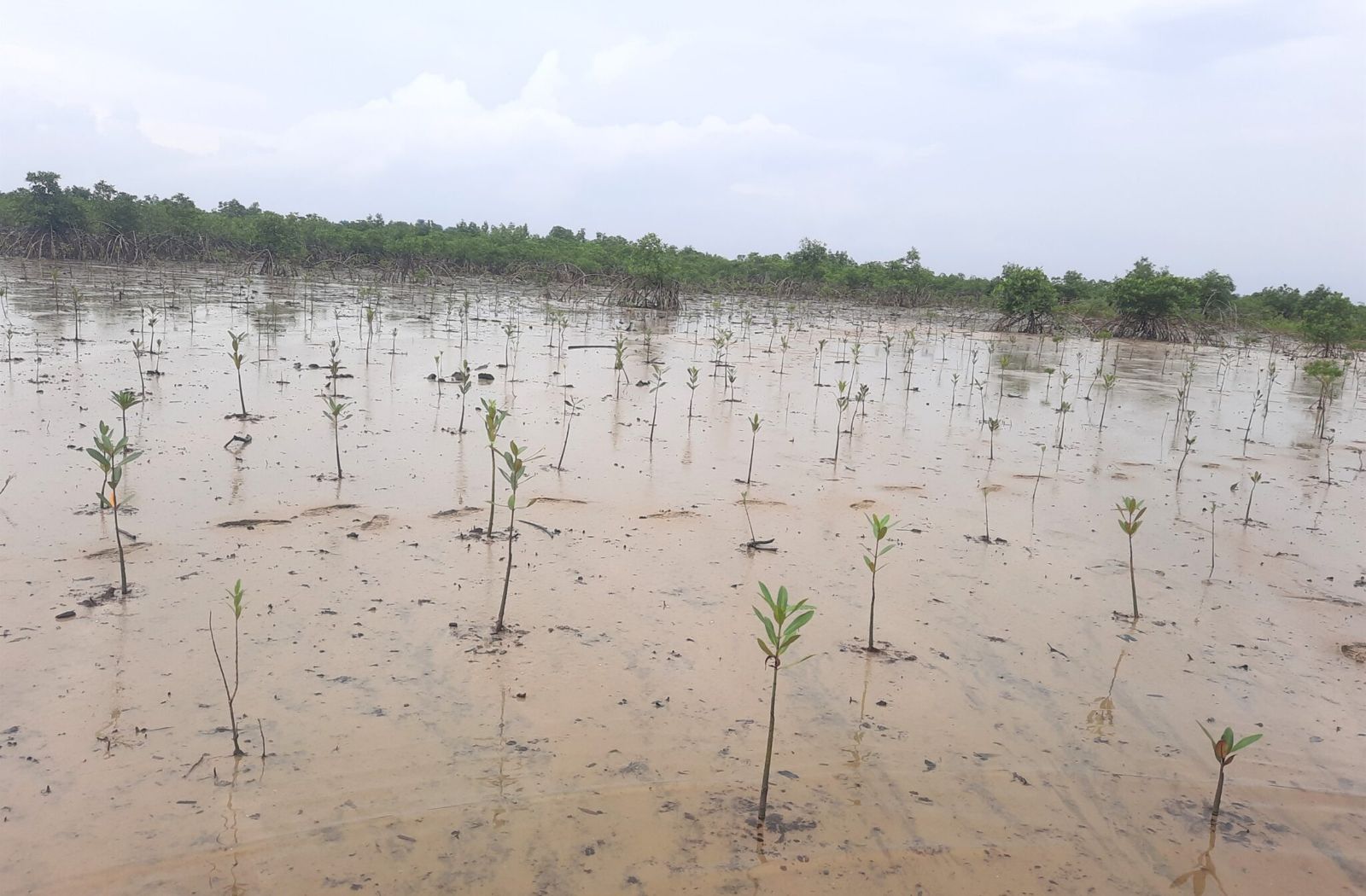
Photo credit: Hydrocarbon Pollution Remediation Project (HYPREP)
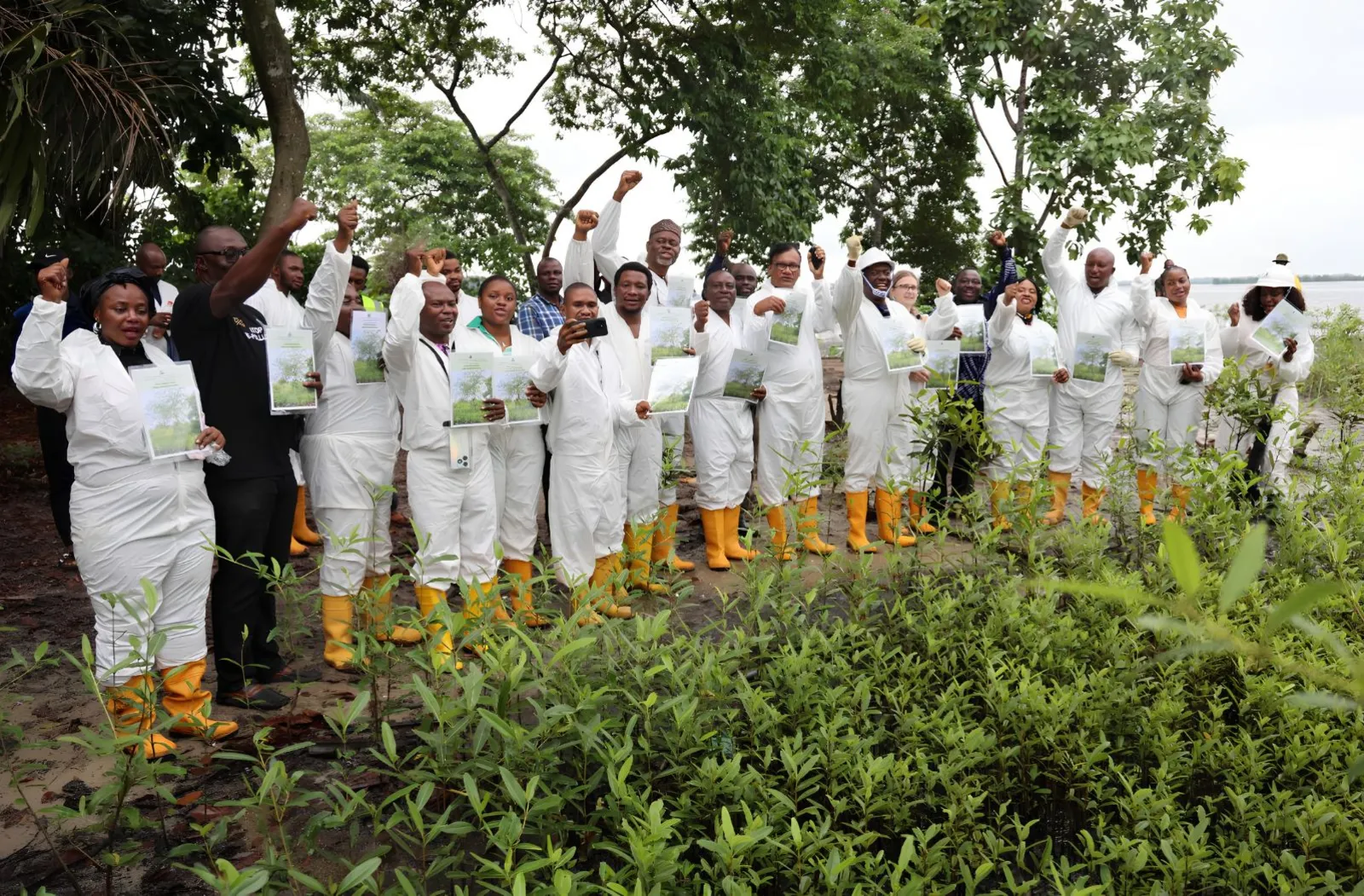
Mangroves in Sub-Saharan Africa, especially in Nigeria, are among the most ecologically and economically valuable ecosystems in Africa, yet they face severe degradation due to oil pollution, deforestation, and weak governance. As a solution, a partnership was formed to create a multi-disciplinary platform for addressing sustainable mangrove conservation challenges. The partners contributed advanced scientific research expertise, including ecological assessment, policy analysis, and carbon market feasibility studies, to assess and diagnose key issues in the area.
Meet the partners
Hydrocarbon Pollution Remediation Project (HYPREP): Project Lead, responsible for coordination, field implementation, and stakeholder engagement in Ogoniland, Nigeria
University of Portsmouth: Provided expertise in policy analysis and environmental governance
Mangrove Action Project (MAP): Led a community-based restoration approach and participatory methodologies
Rivers State University: Supported data collection and conducted ecological assessments
University of Colorado Boulder: Delivered technical input on carbon markets and blue carbon valuation
The study marked a major advancement in mangrove ecosystem management by applying the IUCN Restoration Opportunities Assessment Methodology (ROAM) within a blue carbon framework. It combined ecological science, policy analysis, and community-based research to create a practical and replicable model for evaluating restoration feasibility in degraded coastal areas.
This collaboration enabled the integration of community-based knowledge with rigorous scientific inquiry, producing a comprehensive assessment that aligns local restoration efforts with global climate goals under the Paris Agreement and the UN Sustainable Development Goals.
Stakeholder mapping and community participation
The project started with stakeholder analysis, including stakeholders such as community leaders and resource users, government agencies, and civil society organisations. This process involved mapping, consultations and engagement. Following a robust stakeholder mapping across four Local Government Areas (LGAs) - Gokana, Tai, Khana, and Eleme – 10 communities were selected. These 10 communities were selected due to their dependence on, and significant degradation of, their mangrove resources.
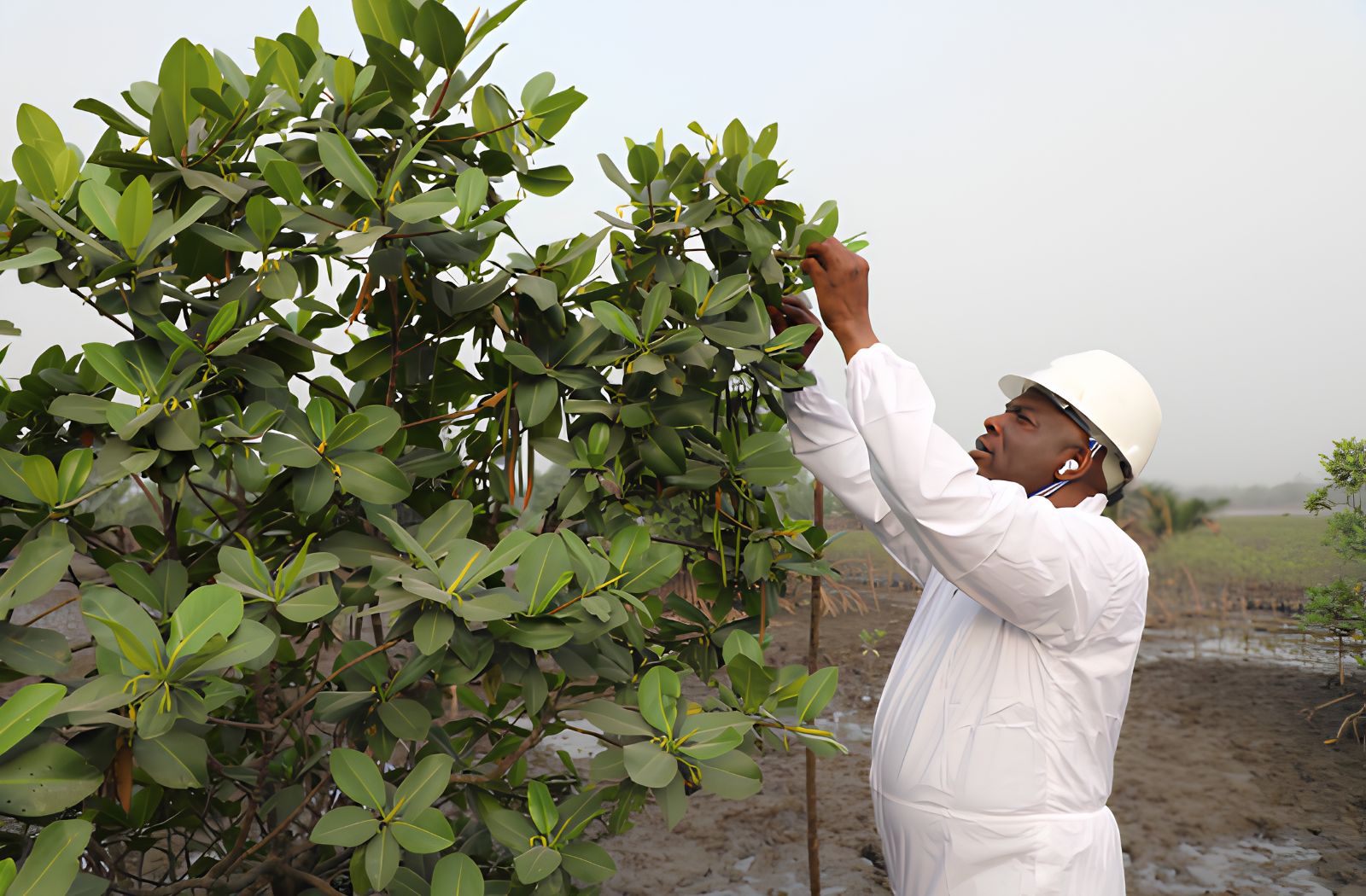
Indigenous community members were engaged as data collectors and their involvement facilitated smooth communication and allowed for accurate translation of the questionnaire into the local context, improving the quality of the responses.
Image
Outcomes and impacts
The project has had a transformative impact on Nigeria’s environmental governance by providing a clear roadmap for integrating mangrove conservation into national climate strategies. Through its comprehensive assessment of policy gaps, significant stakeholder engagement, and consideration of carbon market feasibility, this study has positioned mangrove restoration as a critical nature-based solution for climate mitigation and adaptation.
More specifically, the study included the following outputs:
Restoration blueprint: This project supported the restoration of over 3,000 hectares of oil-degraded mangroves, contributing to biodiversity recovery, shoreline protection, and climate resilience
Carbon sequestration potential: This study identified Nigeria’s mangroves as high-value blue carbon ecosystems, with the potential to generate up to $49 billion in carbon credit revenues under best-case scenarios over a 40-year period
There are over 21,723 restorable hectares of high-value blue carbon ecosystems, available with local low-cost restoration efforts
The important socio-economic impact
Engaging 1,757 respondents across 10 communities, the study demonstrated that over 50 per cent of households derive significant income from mangrove resources, which could lead to reducing household poverty. It also identified emerging opportunities in honey production, ecotourism, and sustainable timber harvesting, which enhance economic resilience.
The project strengthened community inclusion in environmental governance by ensuring that local voices shape policies for sustainable mangrove management. Beyond raising awareness of restoration benefits, it created a participatory framework where communities contribute to decision-making processes. This participatory approach fostered ownership, trust, and collaboration, which are essential for long-term conservation success.
As Baribovee Mon from the Bodo community said,
“Through HYPREP's restoration efforts, we better understand the importance of mangrove conservation in our communities. Due to this study, our people felt included in decision-making towards developing policies and frameworks for sustainable mangrove management.”
Strategic value for Nigeria and beyond
The findings of this assessment hold strategic relevance for Nigeria’s environmental and climate policy landscape. By identifying the exclusion of mangroves from Nationally Determined Contributions and carbon market frameworks, the study identifies an opportunity to strengthen the country’s climate strategy. It recommends the development of a National Blue Carbon Strategy and the establishment of a National Mangrove Park, which would align Nigeria’s restoration efforts with global best practices under the Paris Agreement and the Decade on Ecosystem Restoration.
Notably, the study’s methodology and insights are transferable to other mangrove-rich regions facing similar governance and ecological challenges, making it a valuable model for regional replication across coastal West Africa and other tropical zones.
This project also lays a foundation for long-term, scalable mangrove restoration initiatives in Nigeria by emphasising inclusive governance, community empowerment, and climate finance integration. Its recommendations, such as clarifying carbon rights, strengthening regulatory frameworks, and promoting benefit-sharing mechanisms, are designed to catalyse systemic change.
By embedding community participation and science-based best-practice methods into restoration planning, this project ensures that future interventions by countries or communities are both socially equitable and ecologically sound.
Image
Media contact
Suné Kitshoff
Senior Communications Officer
T: +44 7740 450 901 | Email our media contact Suné Kitshoff