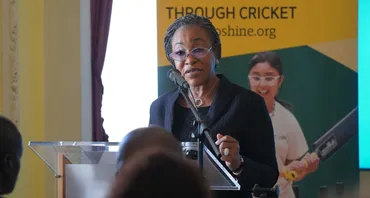



Remarks by Commonwealth Secretary-General, Hon Shirley Botchwey, at the Memorial Gates wreath-laying ceremony on Commonwealth Day, Monday 9 March 2026, at Memorial Gates, Constitution Hill, London.
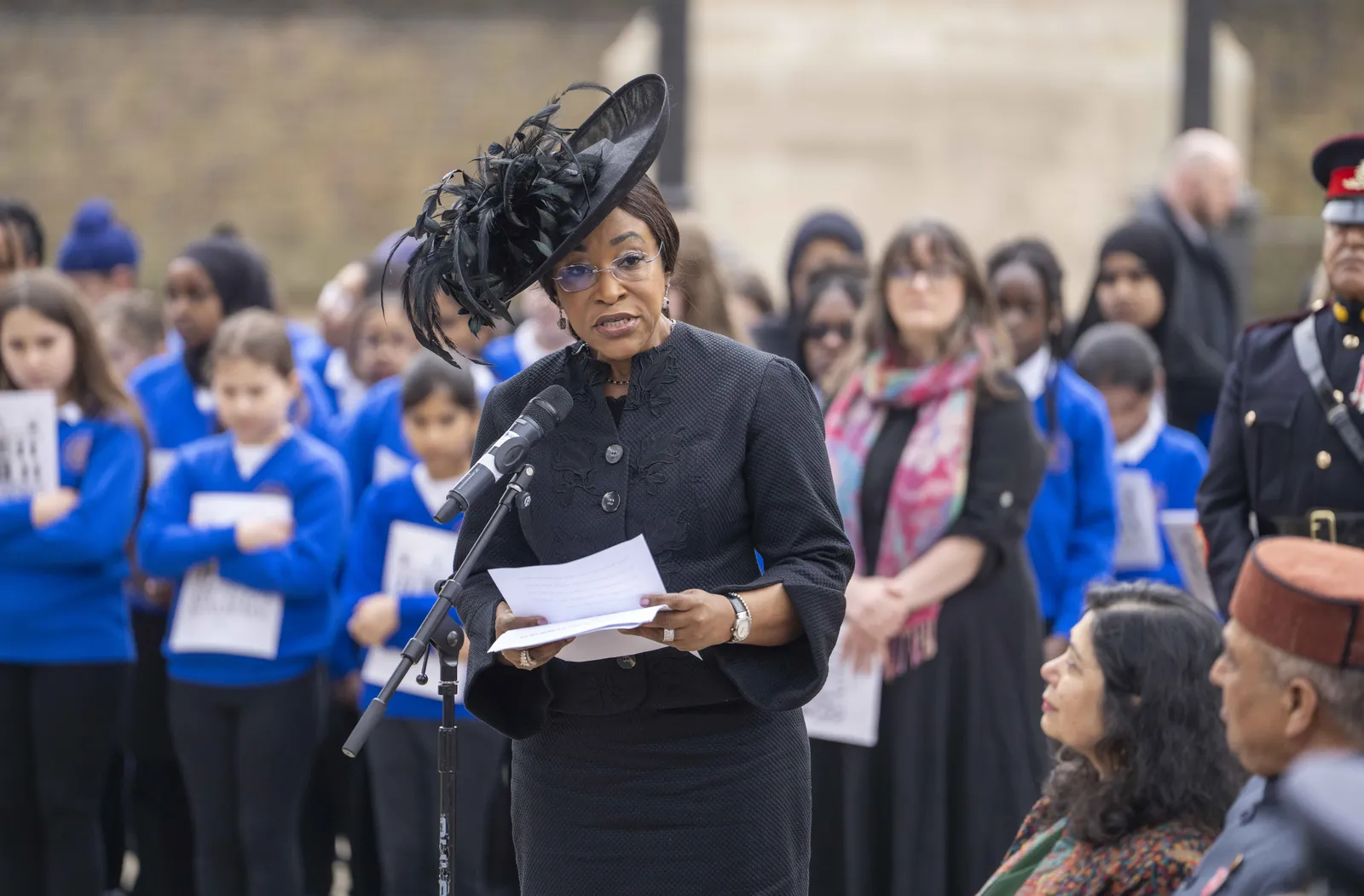
Here on Constitution Hill, we gather in quiet gratitude and solemn remembrance. These Memorial Gates stand as a lasting tribute to the millions of men and women from across the Commonwealth and Nepal who served with such courage in the two World Wars, and to all who have served in conflicts since.
From villages and cities, from islands and plains, from mountains and coastlines, they came — in hope, in loyalty, in courage. Many never returned.
Today, we honour their immense sacrifice, and the ideals they served. And this year, we remember in a special way the women who served. We have heard of Noor Inayat Khan’s remarkable bravery. Her name is etched into history. But for every Noor Inayat Khan whose story we can tell, there are countless others whose names we do not know.
Women who nursed the wounded in field hospitals far from home. Women who carried messages through occupied streets. Women who worked in factories, on farms, in intelligence rooms, in codebreaking centres. Women who resisted. Women who endured. We may not know their individual stories. But they were no less brave. No less steadfast. No less deserving of remembrance.
The Commonwealth’s story in the World Wars, while too often overlooked, is central to their history. Soldiers from the Indian subcontinent stood in the trenches of the Western Front. African troops fought in their own lands, and in Burma. Caribbean airmen defended these skies. Pacific islanders carried supplies across unforgiving terrain. Nepalese Gurkhas earned a reputation for courage that endures to this day. They fought side by side — not as strangers, but as allies in a common cause.
And in doing so, they bound our nations together in shared sacrifice. These gates remind us not only of loss, but of unity — of what is possible when people of different faiths, races, languages and cultures stand together against the forces of hatred and oppression. That lesson echoes across the decades.
The generation we honour today did not speak often of legacy. They spoke of duty. It falls to us to ensure that their sacrifice is honoured not only in our collective memory, but in our common purpose. To guard the freedoms they defended. To strengthen the bonds they forged. To work together — peacefully, resolutely — in the face of the challenges of our own time.
Today, I say to those who rest in honoured memory — known and unknown, named and unnamed — you are not forgotten. Your service lives on in the Commonwealth you helped to shape. Your example lives on in the quiet determination of nations that continue to choose partnership over division. May we be worthy of that inheritance. And may the flame entrusted to us — that precious flame of liberty, solidarity and peace — burn brightly for generations to come.
Thank you.