


Nigerian Federal High Court judges have completed specialised training designed to help them better handle cybercrime cases and other offences involving electronic evidence that affect people and businesses.
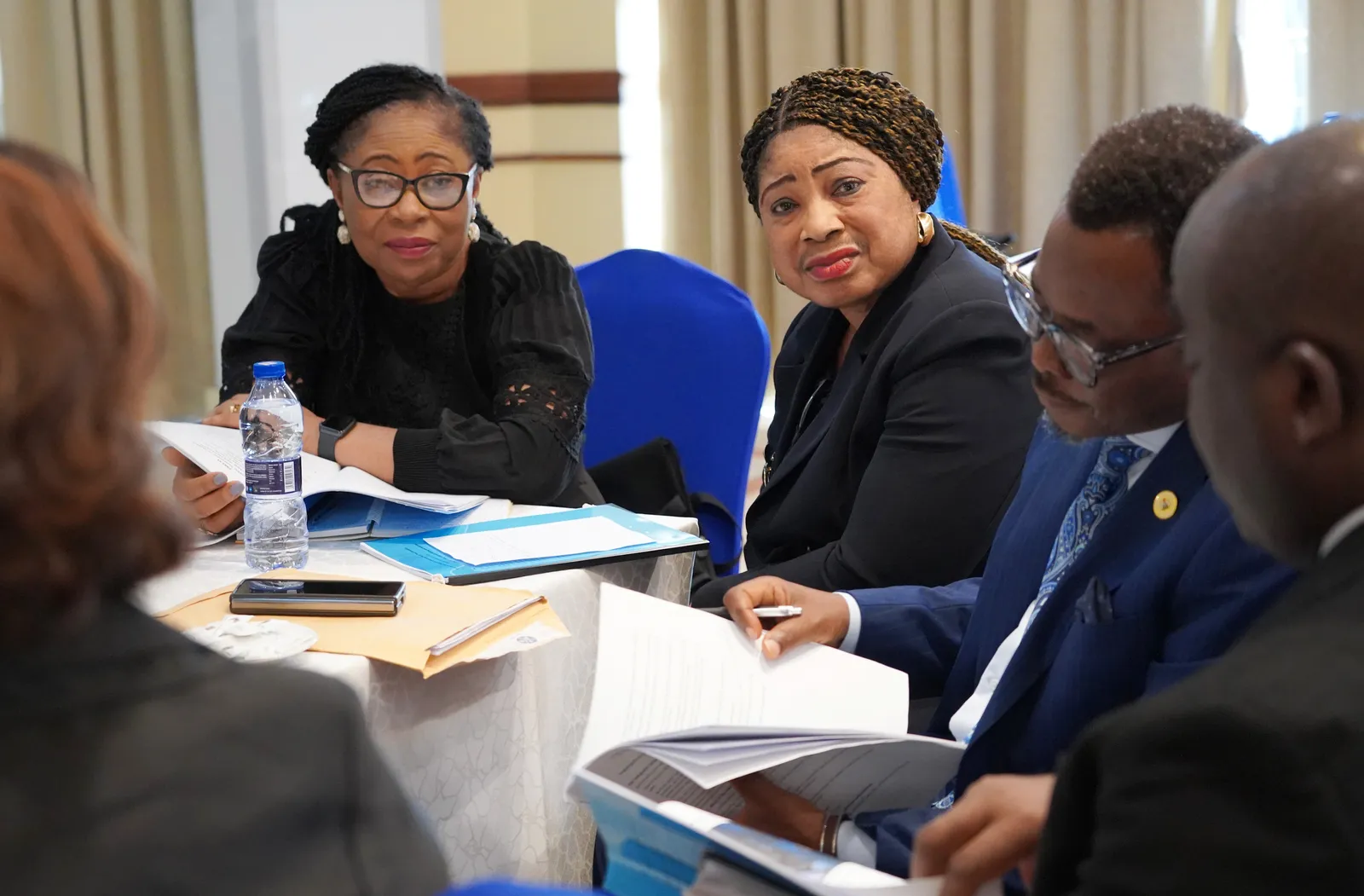
The training, organised by the Commonwealth Secretariat with support from the UK Government’s Integrated Security Fund in Lagos and Accra from 10 to 21 November 2026, aims to strengthen the Nigerian judiciary’s response to increasingly sophisticated forms of cybercrime.
The judges are assigned to the Joint Case Team on Cybercrime (JCTC). Set up in 2025 with support from the Commonwealth and the UK, the JCTC brings together Nigeria’s key justice and security agencies to detect, investigate and prosecute digital offences.
Three-phase training
The training was delivered in three phases. First, the judges received advanced training on emerging issues now coming before the courts, including handling electronic evidence, responding to hybrid threats and dealing with crimes involving cryptocurrency and artificial intelligence.
The judges then met their Ghanaian peers in Accra for a peer-to-peer exchange, where they observed how cybercrime-related legal and procedural challenges were handled in Ghana. The final phase involved a mock trial, giving the judges a chance to test their learning in a courtroom setting before applying it in their day-to-day work.
Through a Training-of-Trainers approach, the participants will share their learning with fellow judges and help build wider expertise across Nigeria’s judiciary.
Speaking at the opening, Simon Field, Deputy Head of Mission at the British Deputy High Commission in Lagos, said:
“We are increasingly aware of the corrosive threat of cyber-fraud, threats, and crime, and the importance of international collaboration across jurisdictions - collaboration on which the UK and Nigeria have some shared success, but need to do more…
“The training being delivered, together with further sessions taking place in Accra, Ghana, forms part of a wider ambition to establish and promote a regional corridor of excellence in cybersecurity across West Africa.”
Image

‘A critical line of defence’
Dr Nkechi Amobi, Senior Research Officer at the Commonwealth Secretariat, said:
“Behind cybercrime cases are people seeking justice, often after suffering financial loss or other harm. The judiciary is a critical line of defence, ensuring that evidence is properly understood and assessed and that cases are decided fairly.
“We know that even the most sophisticated investigations can fall short if judges do not have the knowledge and resources to deal with the technical and legal issues before them. This training is ultimately about helping judges follow the evidence, make sound decisions and dispense justice with confidence.”
The programme also looked at how to sustain the training’s impact, including by adding the materials to the National Judicial Institute’s curriculum and continuing collaboration with Nigeria’s Joint Case Team on Cybercrime.
The initiative is part of the Commonwealth Cyber Programme, which is supported by the UK Government to strengthen criminal justice responses to cybercrime. Since 2018, the Cyber Programme has trained more than 3,000 criminal justice officials from 55 Commonwealth member countries.