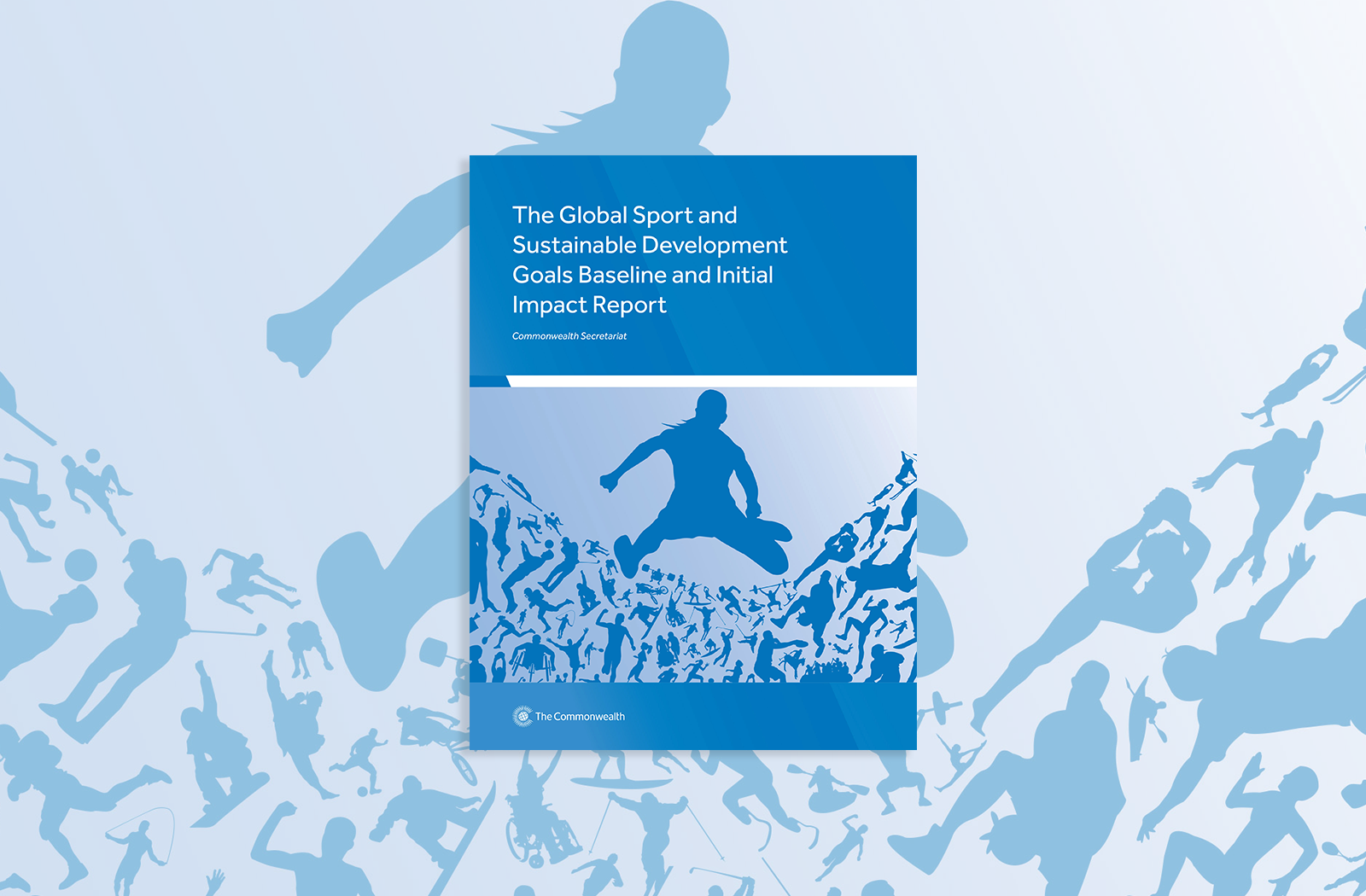
A set of measures, or indicators, to help countries and sporting bodies monitor and evaluate the contribution of sport, physical education and physical activity to the SDGs have been produced.
The indicators cover help monitor the contribution of sport to areas such as:
- good health (SDG 3)
- quality education (SDG 4)
- gender equality (SDG 5)
- economic growth and decent work for all (SDG 8)
- reducing inequality (SDG10)
- sustainable consumption and environmental sustainability (SDG 12 and 13)
- safeguarding athletes and participants from abuse and violence (SDG 5 and 16)
- building effective, accountable and inclusive institutions (SDG16)
A toolkit has been produced that outlines a common approach for the measurement of sport-related policies, implementation plans and strategies along with core principles associated with the design of monitoring and evaluation (M&E) frameworks that integrate the sport and SDG indicators.
Measuring the Alignment and Intentionality of Sport Policy to the Sustainable Development Goals (PDF, 4.08 MB)
Overarching policies and strategies are required to maximise the contribution of sport to the SDGs at scale. Research conducted by Swinburne University of Technology and the Commonwealth Secretariat explores the extent to which current national sport policies align to prioritised SDG indicators. The research identifies important trends in the overall alignment of national sport polices to the SDGs and importantly, identifies gaps that can inform future policy.
Pacific Sport Contributions to the Sustainable Development Goals (PDF, 1 MB)
The Commonwealth Secretariat and the University of the South Pacific have mapped existing data to the Sport and SDG indicators in Fiji and Samoa. This work identifies valuable data sources for monitoring and maximising the contribution of sport to sustainable development globally and highlights the valuable contribution sport makes to national development in the Pacific.