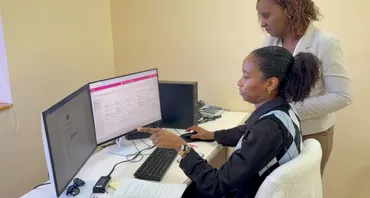



Trade officials from small and least developed Commonwealth countries took part in a preparatory workshop to support them in representing their national interests at the upcoming World Trade Organization (WTO) Ministerial Conference.
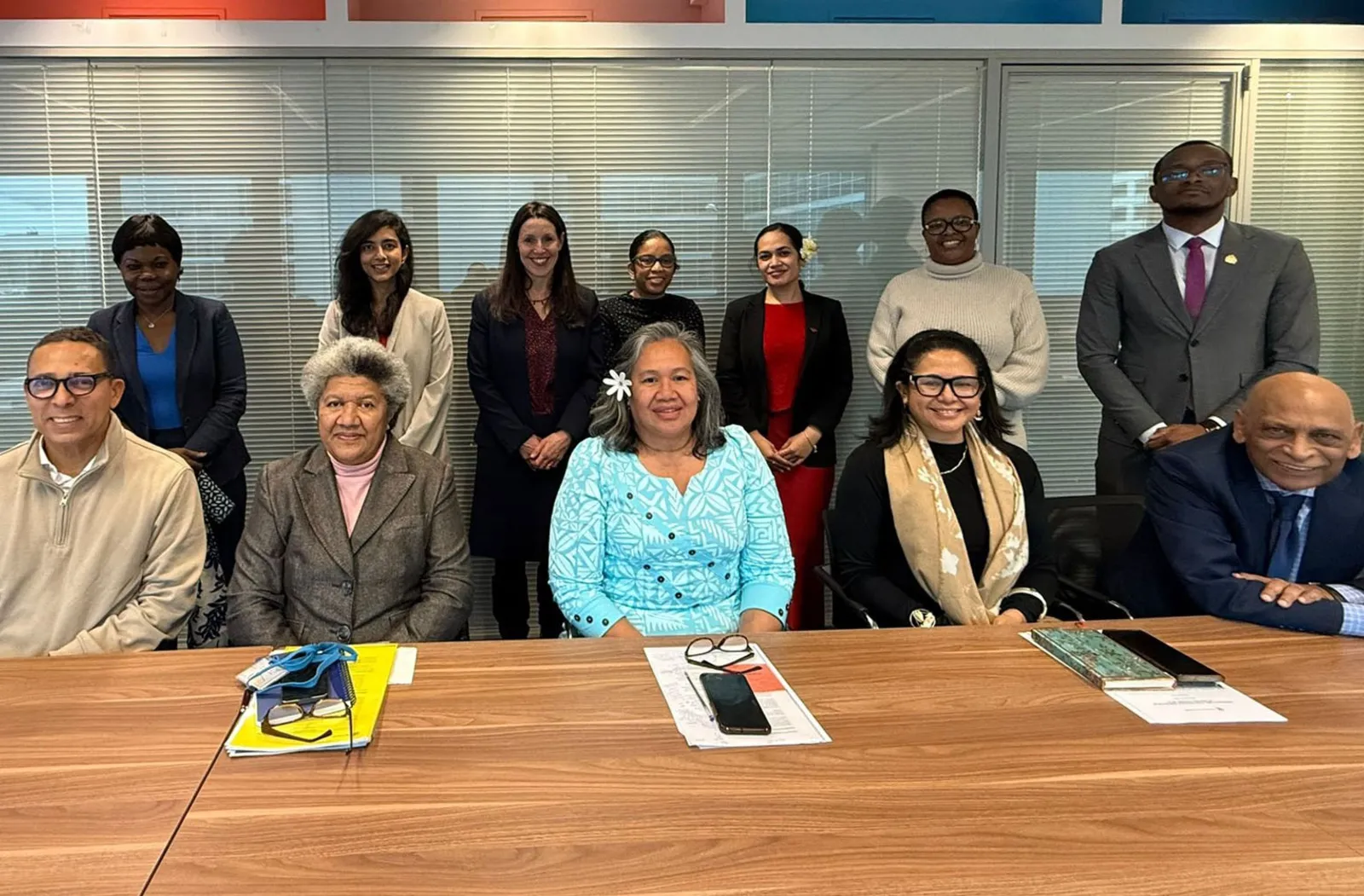
Organised by the Commonwealth Small States Office, the two-day hybrid workshop brought together Geneva-based ambassadors and trade officials from capitals across Africa, Asia, the Caribbean and the Pacific.
Discussions focused on preparing delegations for the 14th WTO Ministerial Conference (MC14), which will take place in Yaoundé, Cameroon, from 26 to 29 March 2026.
For many small and least developed countries, decisions taken at the WTO affect jobs, food security and economic growth. The workshop aimed to help officials better understand key negotiating issues, coordinate their positions, and ensure national priorities are clearly represented at the conference.
Preparing for WTO negotiations
During the workshop, participants reviewed the agenda for the upcoming Ministerial Conference and discussed the key trade issues likely to be the focus of ongoing work and negotiations, including agriculture, fisheries subsidies, digital trade and wider reforms to the global trading system.
With WTO reform set to be a major focus at the Ministerial Conference, participants examined how the WTO can better respond to the current global trade landscape and emerging developmental challenges.
They noted that these reforms will shape the multilateral trade rules that govern how countries trade with each other and will impact how effectively smaller economies can participate in the global trading system to support their growth and development.
The WTO Agreement on Fisheries Subsidies, which entered into force in September 2025, was also discussed. Participants considered the importance of further negotiations to reduce subsidies contributing to overfishing and overcapacity, while protecting marine resources that support livelihoods and food security in coastal communities.
Discussions covered how global trade rules can support countries graduating from least developed country (LDC) status, helping them maintain access to international markets during this transition. Participants also welcomed an agreement on the MC14 Ministerial Decision on the Small Economies Work Programme, which aims to tackle trade-related challenges faced by smaller economies and help them better integrate into the global trading system.
New opportunities for businesses
The rapid growth of e-commerce and digital trade was another key focus. Participants explored how MC14 outcomes and ongoing WTO discussions could create new opportunities for businesses, particularly smaller firms in developing and least developed economies.
This includes supporting countries to build their own digital ecosystems, making it easier to trade online and, in turn, promote inclusive economic growth and economic diversification.
Speaking at the workshop, Dr Ruth Kattumuri, Senior Director of the Commonwealth Secretariat’s Economic Development, Trade and Investment Directorate, said:
“This workshop reflects our commitment to ensuring that the priorities and interests of small, vulnerable and least developed member countries continue to be heard and that their voices remain instrumental in shaping the future of the international trading system, with WTO at its core.”
The workshop was organised by the Secretariat’s Geneva Trade Adviser Programme, which provides technical advice, policy support and training to help Commonwealth countries participate more effectively in international trade negotiations.