



The Commonwealth has mobilised millions of dollars in climate finance, strengthened debt management across 16 countries, and accelerated renewable energy investment in vulnerable Commonwealth Small States, with results highlighted in a new report launched today in London.
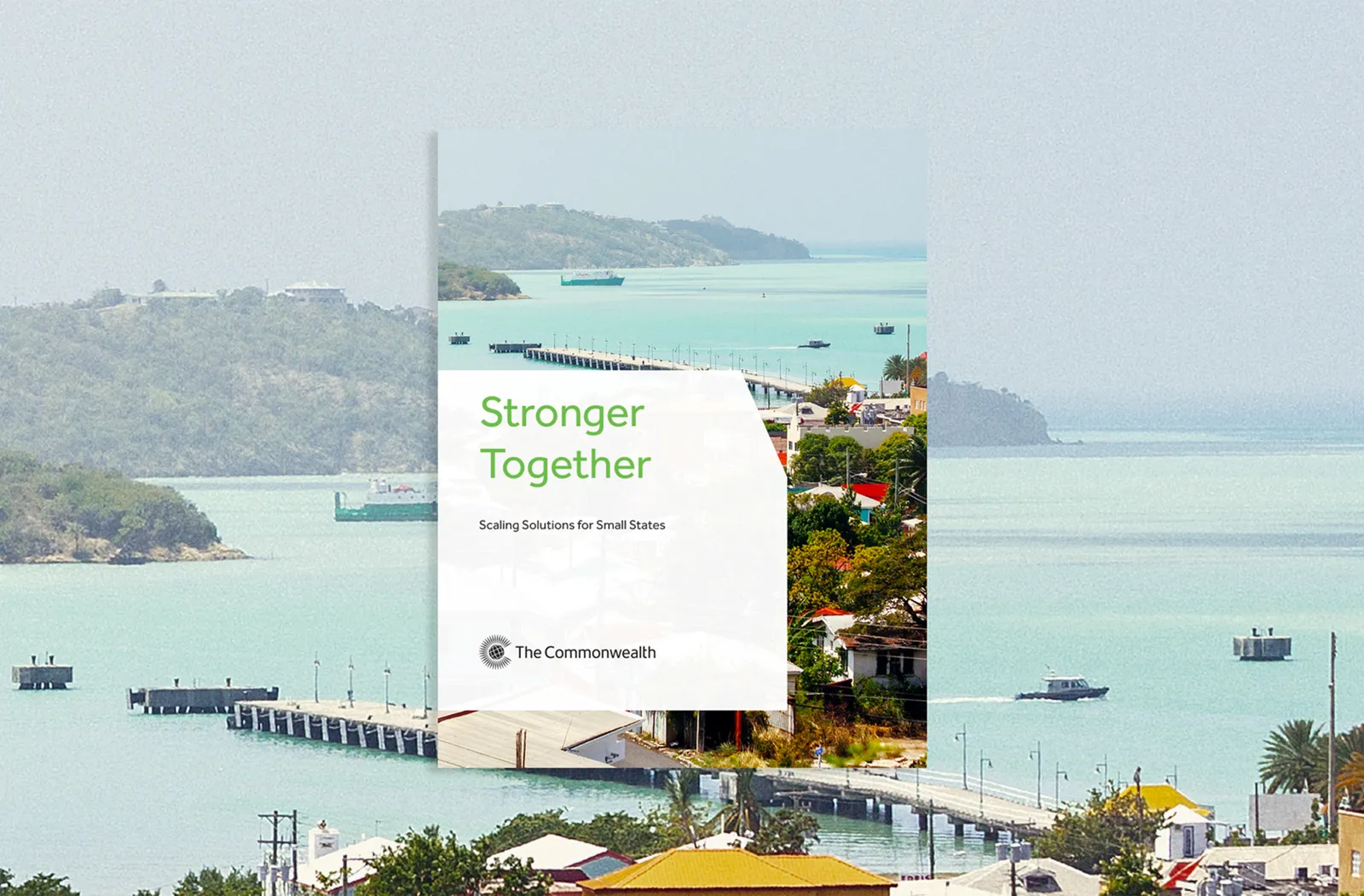
The Commonwealth Small States Bulletin 2025, themed “Stronger Together: Scaling Solutions for Small States,” was unveiled at the Commonwealth Investment Network (CIN) Summit, detailing practical solutions for supporting small states in navigating rising debt pressures, climate shocks, and limited access to finance.
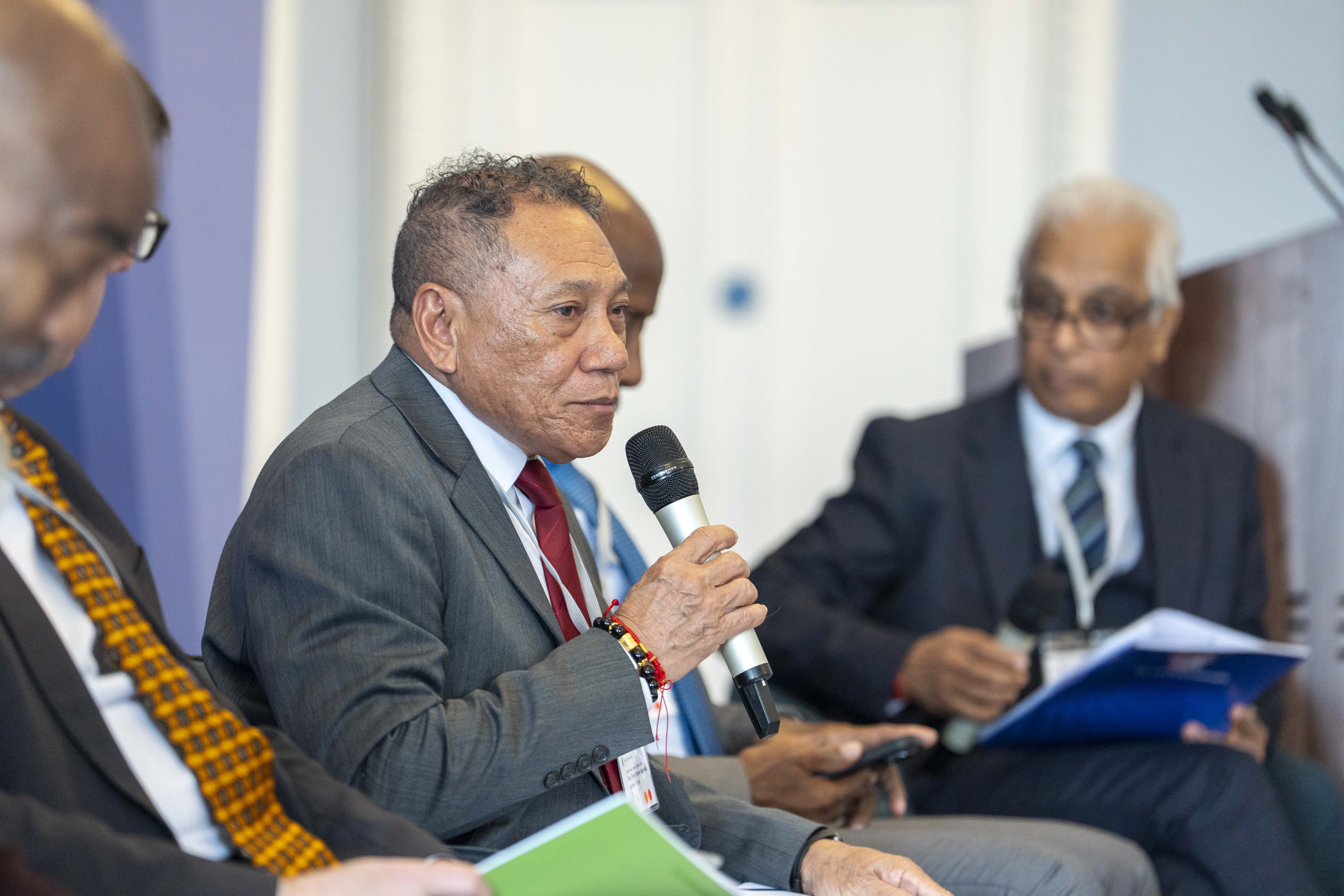
Speaking about the challenges faced by many small states, Hon. Peter Shanel Agovaka, Minister of Foreign Affairs and External Trade of the Solomon Islands, said:
“Solomon Islands is disproportionately exposed to increasingly severe and frequent climate change impacts and natural disasters. Rising sea levels, stronger storms, coastal erosion and other impacts have severe economic implications, notably in key climate-sensitive sectors such as forestry, agriculture, fisheries and tourism. Building climate resilience is not optional for Solomon Islands — it is an economic necessity.”
Image
The Bulletin highlights how Commonwealth partnerships have yielded tangible economic and climate resilience benefits across the Commonwealth's 33 Small States, 25 of which are Small Island Developing States. It notes that targeted technical support and investment can unlock real opportunities for countries often overlooked by the global financial system.
Key highlights of the Bulletin include:
- Climate finance access in Fiji: Mobilised more than US$8 million to support community-led relocation and climate adaptation through the Commonwealth Climate Finance Access Hub.
- Debt transparency reforms in the Caribbean: Trained 33 public debt managers from 16 countries through the Commonwealth Meridian system in partnership with the International Monetary Fund.
- Export development in Rodrigues Island: Strengthened food safety standards and improved small and medium-sized enterprises' (SMEs) competitiveness and export readiness, in partnership with the Government of Mauritius.
- Seabed minerals governance: Supported the Cook Islands and Kiribati to strengthen legal frameworks and negotiate effectively at the International Seabed Authority, which regulates mineral-related activity in the international seabed.
- Digital investment promotion in Antigua and Barbuda: Modernised investment promotion systems and expanded digital skills training for SMEs.
- Clean energy transition: Deployed the Commonwealth’s Power and Transport Toolkits to accelerate renewable energy investment in Barbados, Dominica, Seychelles and Antigua and Barbuda.
- Climate finance access in Namibia: Supported national institutions to secure accreditation with the Green Climate Fund.
Launching the Bulletin, Commonwealth Secretary-General Hon Shirley Botchwey said the report demonstrates how practical cooperation can help small states overcome structural disadvantages in the global economy.
“The examples in the Commonwealth Small States Bulletin remind us that the story of vulnerability around our small states is incomplete. They are laboratories of innovation. When governments, investors and development partners work together, risk can be reduced, innovation can scale, and investment can transform economies,” she said.
Image

The Bulletin highlights how Commonwealth programmes are helping governments strengthen economic management, expand access to climate finance and unlock investment opportunities.
The launch took place during Commonwealth Week at the opening session of the CIN Summit, where ministers, investors, policymakers and development leaders are meeting this week to explore investment opportunities in the Commonwealth’s Small Island Developing States in the Caribbean and Pacific.
Through these initiatives, the Commonwealth continues to support its small states in strengthening economic resilience and advancing practical solutions to climate and development challenges, helping turn vulnerability into opportunity and scale sustainable growth.