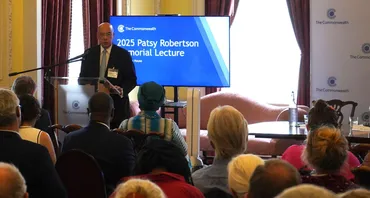



Small Island Developing States (SIDS) stand on the frontline of the global climate crisis, facing a convergence of environmental, economic and institutional challenges that disproportionately threaten their sustainable development pathways. Despite contributing minimally to global greenhouse gas emissions, SIDS have demonstrated strong climate ambition through their Nationally Determined Contributions (NDCs).
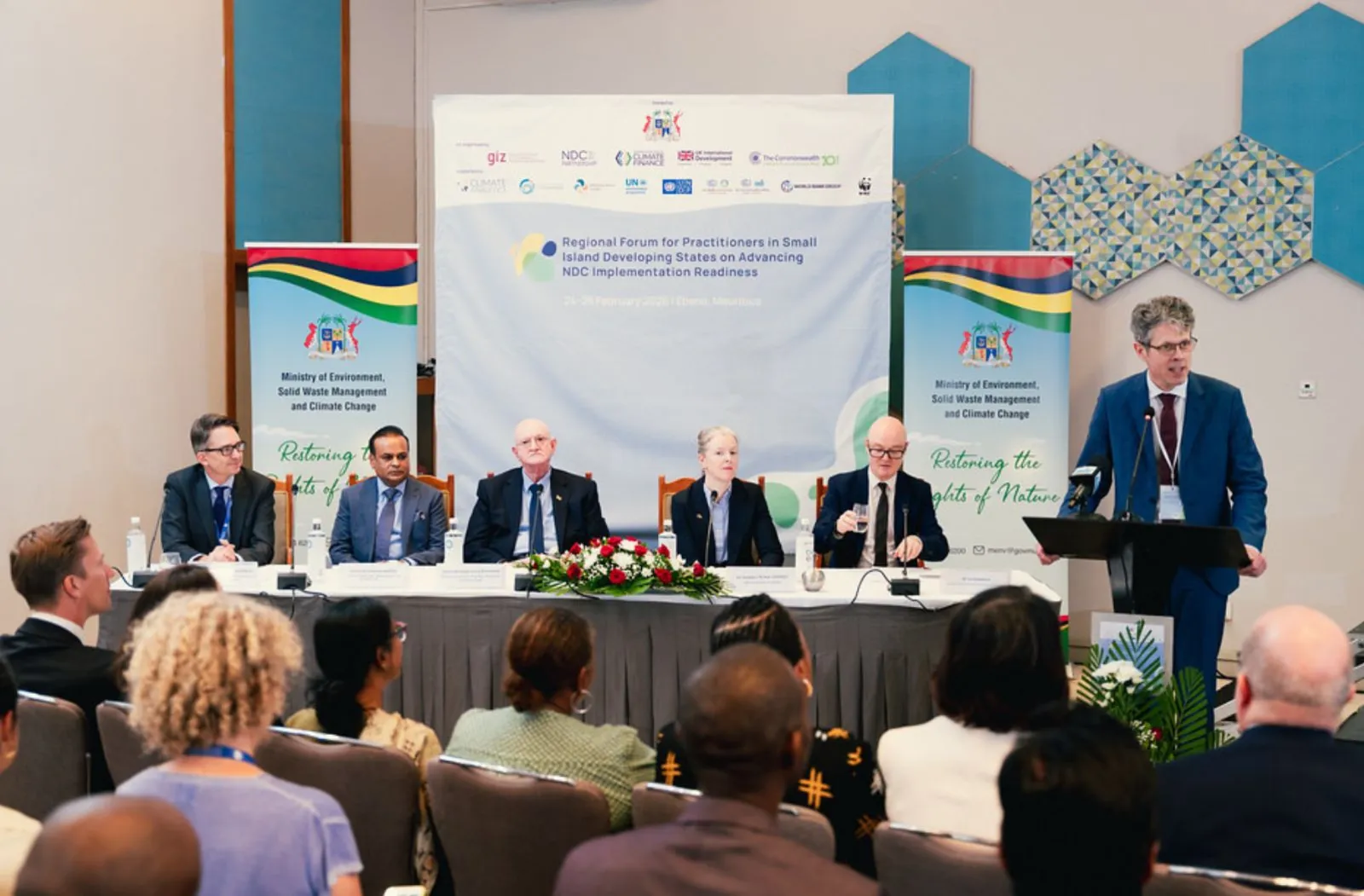
It is against this backdrop that the Regional Forum on SIDS Readiness for Nationally Determined Contribution (NDC) Implementation, convened in Ébène, Mauritius.
The forum brought together more than 70 government representatives from 14 SIDS, development partners, and technical experts to explore strategies for strengthening institutional readiness, mobilising climate finance, and accelerating implementation of NDCs under the Paris Agreement. Co-organised by the NDC Partnership, GIZ, and the Commonwealth Secretariat through its Commonwealth Climate Finance Access Hub (CCFAH), the event provided a platform for peer learning among countries facing similar climate vulnerabilities.
With climate finance a central focus of the forum, the Commonwealth Secretariat shared technical expertise across sessions on gender and social inclusion, health integration, sustainable transport, and innovative financing approaches.
Aurelius Nkonde, Manager and Adviser for the Commonwealth Climate Finance Access Hub (CCFAH), shared with participants that:
“The Regional Forum sent a clear message: SIDS do not lack ambition - they need stronger pathways to implementation and finance. Through the Commonwealth Climate Finance Access Hub, we are turning this momentum into action by helping countries transform climate priorities into investment-ready projects, unlock climate finance at scale, and build the institutional capacity needed to deliver lasting resilience.
“Our role is to ensure that NDC commitments move beyond policy documents and become real investments that protect communities, strengthen economies, and secure a climate-resilient future for Commonwealth member states.”
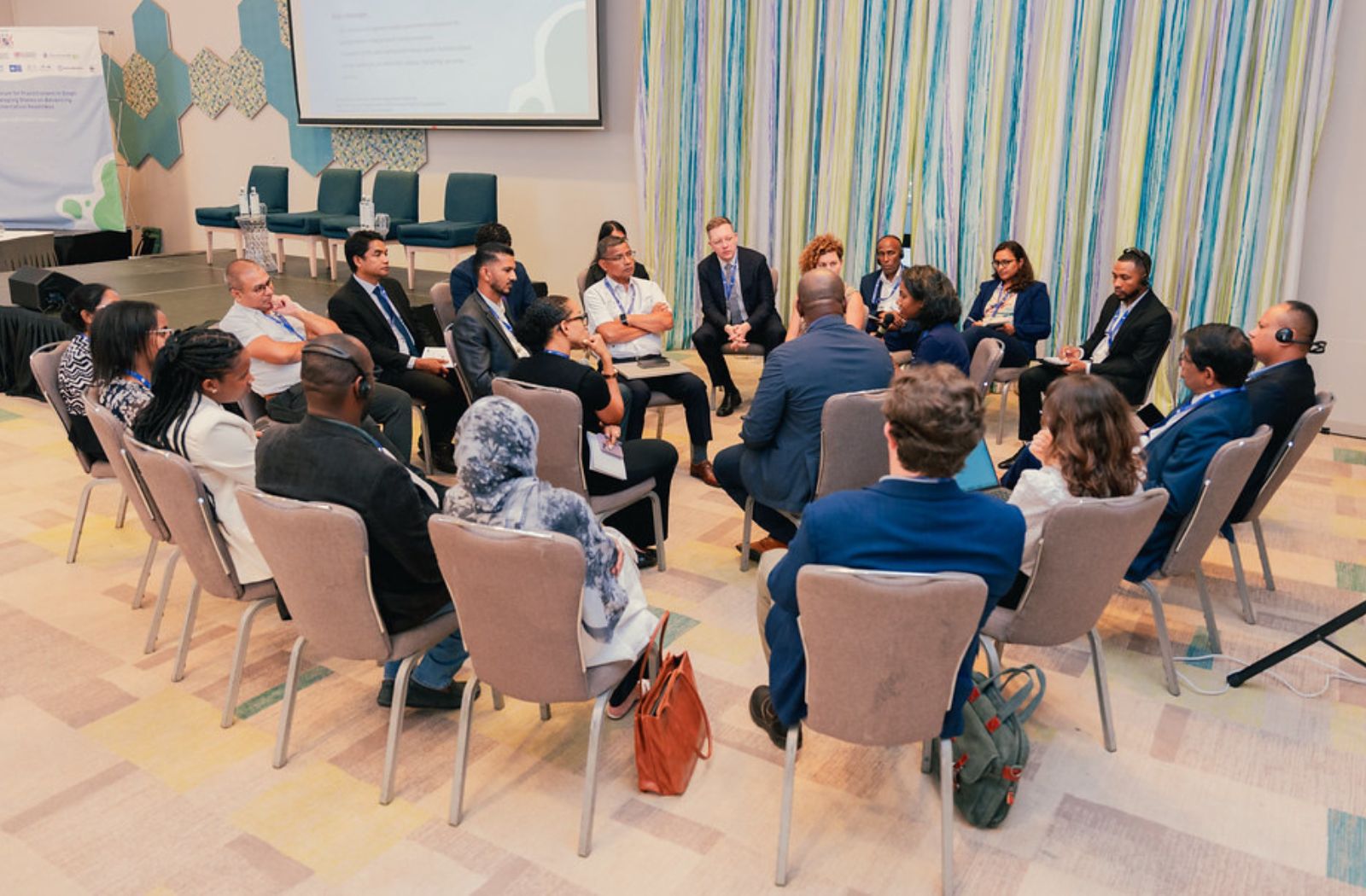
Participants highlighted the importance of regional collaboration and knowledge exchange among SIDS. Peer-to-peer learning, regional alliances, and shared project development approaches were identified as important mechanisms for addressing common challenges such as coastal degradation, disaster risk, and limited access to climate finance.
Image
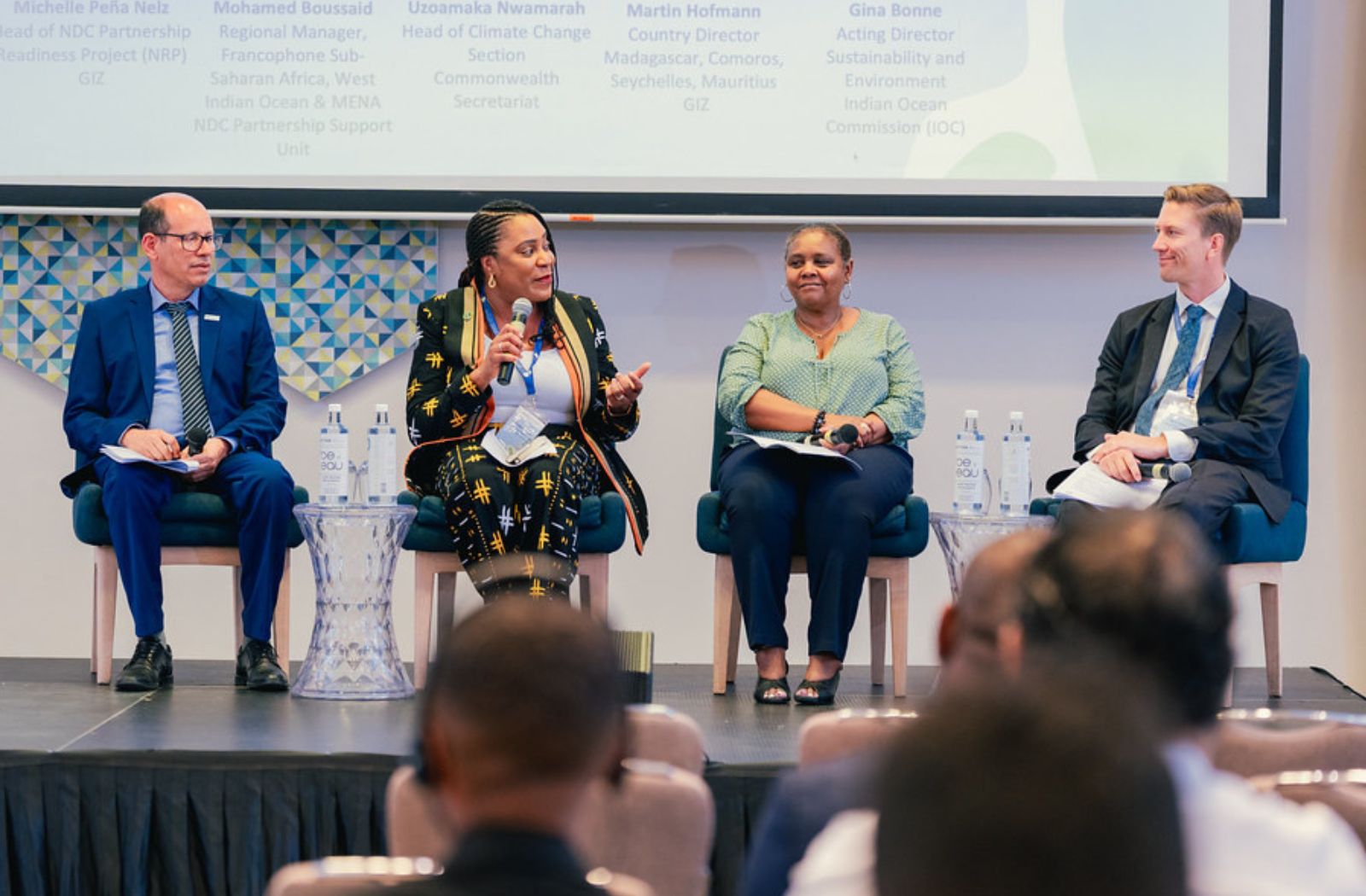
Speaking on the sidelines of the forum, Uzoamaka Nwamarah, Adviser and Head of Climate Change at the Commonwealth Secretariat, noted that strengthening institutional readiness and partnerships is essential for translating climate commitments into practical action. She said:
“Partnership, peer learning and strong country ownership remain central to delivering ambitious and implementable NDCs, particularly for SIDS on the frontlines of climate change. A key highlight of the forum was hearing directly from member countries about the tangible difference CCFAH support has made. When countries are able to move from ideas and concepts to bankable climate projects, that is what sustainable capacity building looks like.”
Discussions also explored how innovative financing mechanisms, including blended finance and public–private partnerships, could help mobilise investment for climate action while safeguarding fiscal sustainability in SIDS.
As climate risks continue to intensify, participants stressed that sustained collaboration, strengthened institutions, and improved access to finance will be essential to translating climate ambition into tangible, resilient development outcomes for SIDS.
Image
Media contact
Suné Kitshoff
Senior Communications Officer
T: +44 7740 450 901 | Email our media contact Suné Kitshoff