



In Malawi, agriculture underpins the livelihoods of the majority of the population and forms the backbone of the national economy. Estimates indicate that over 80 percent of Malawians are dependent in some way on agriculture; ensuring the sector’s equitable and sustainable growth is therefore critical for the country’s economic growth and continued progress for communities and families.
The stakes are particularly high as the country prepares for negotiations at the upcoming World Trade Organization (WTO) Ministerial Conference, known as MC14, in Cameroon. Decisions made during these meetings influence food security, rural livelihoods and long-term development as global trade rules negotiated under the WTO can have a significant impact.
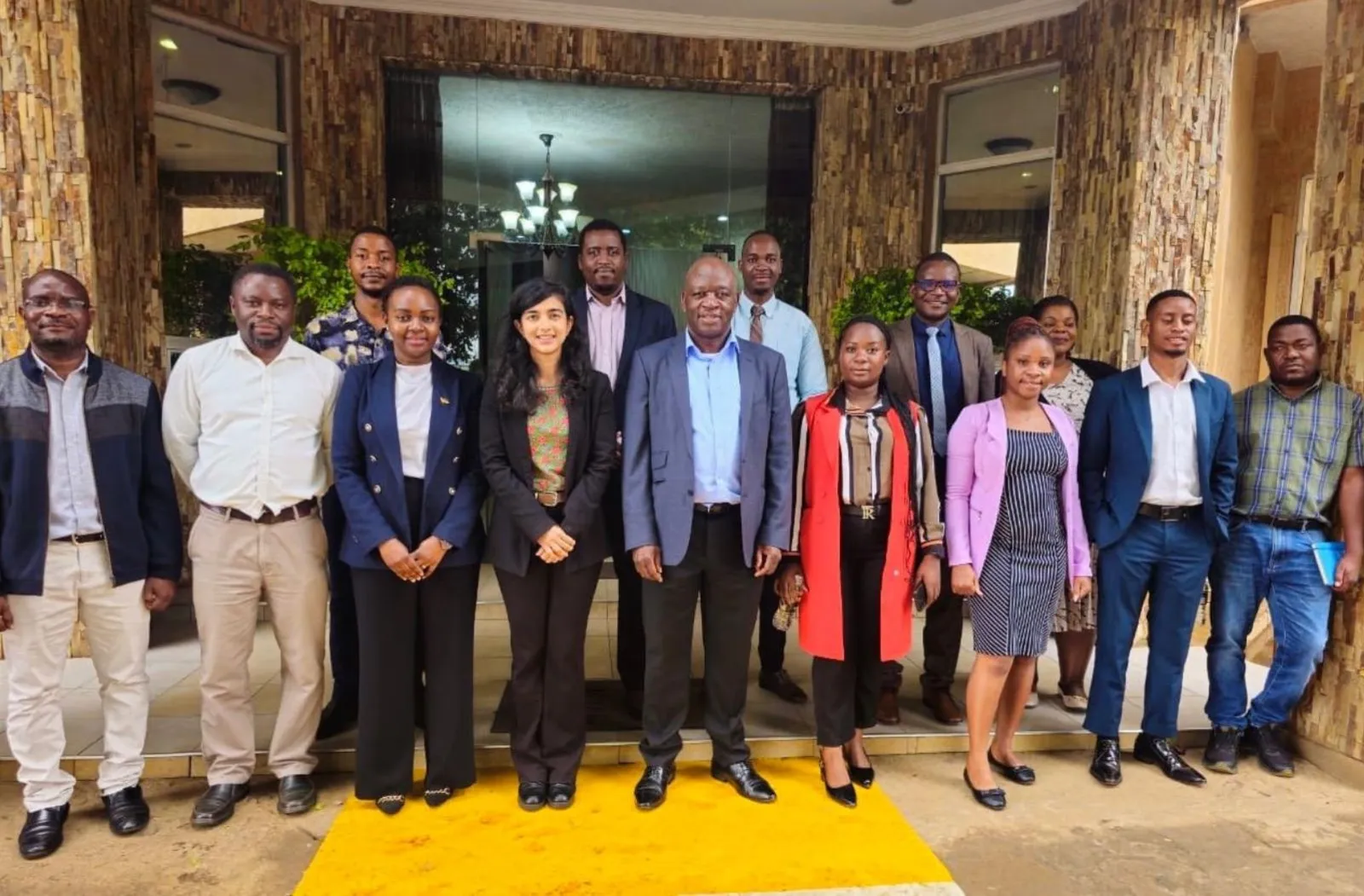
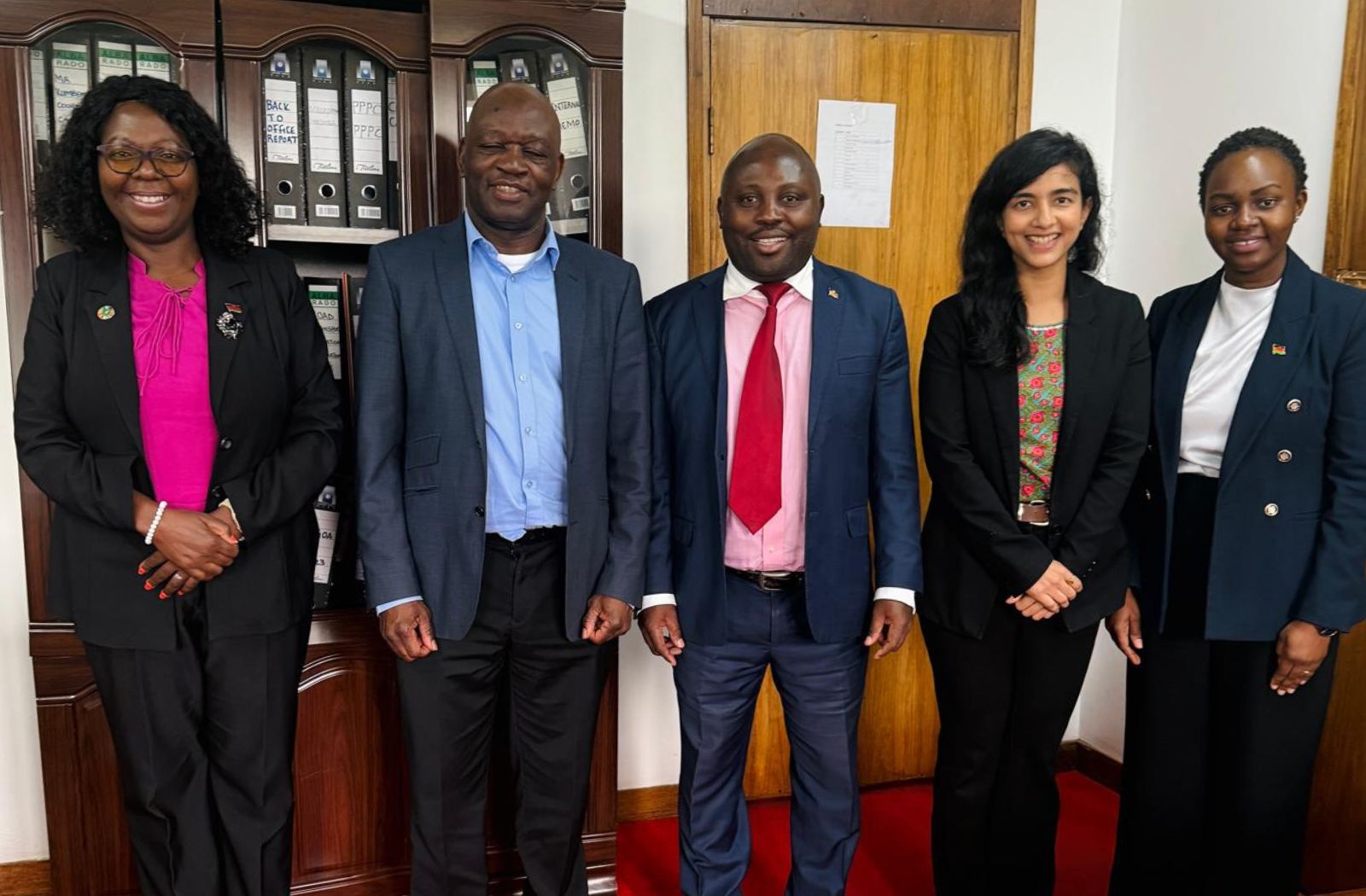
The Commonwealth Small States Office (CSSO) in Geneva in collaboration with the Commonwealth Secretariat delivered a capacity building workshop in Lilongwe, Malawi that focussed on WTO Agriculture, agricultural supply chains and food security.
The CSSO in Geneva was established to support small states by offering technical expertise, advisory services and a platform for meaningful engagement in multilateral processes. Through this workshop, the Secretariat demonstrated one way that its Geneva-based office can be leveraged to assist member countries like Malawi.
The Commonwealth team collaborated with Malawi’s Ministry of Agriculture and the Ministry of Industrialization, Business, Trade & Tourism and to organise the workshop, which was joined by senior officials from government ministries and private sector representatives.
Principal Economist in Malawi’s Agricultural Trade and Marketing Unit, Gomezgani Ngwira, said:
"The knowledge and dialogue exchanged here would contribute to improve agricultural value chains and improve its competitiveness. It will also foster internal dialogue to coordinate national level strategies to achieve resilient food systems.
"There is representation from government and key stakeholders from the private sector, and the workshop will contribute to institutional capacity of government and stakeholders beyond government in relation to trade policy formation and negotiations within agriculture trade related issues."
Setting the stage for strong economic growth
Image
For small and vulnerable states, understanding the technical aspects of multilateral trade agreements is a critical foundation for engaging effectively and influencing outcomes in WTO agriculture negotiations. Therefore, the workshop included detailed technical sessions on the provisions of the Agreement on Agriculture, including on the three main pillars of market access, domestic support, export competition and export restrictions.
The sessions also captured countries’ obligations under the transparency and notification compliance. In addition, the sessions shed light on Malawi’s trade profile in the context of its current agricultural supply chains and highlighted ways to address food security challenges.
Session facilitators also provided briefings on ongoing and prospective multilateral agricultural negotiations. These included guidance on what Malawi might aim to achieve at the upcoming WTO MC14 meeting, particularly to address its pressing food security challenges and special and differential treatment more broadly, as a least developed country (LDC).
One of the facilitators, Tanvi Sinha, Trade Adviser from the Commonwealth Small States Office, shared:
“Given that agriculture accounts for the lion’s share of Malawi’s trade profile, it is essential to safeguard development-oriented policy space and effectively address food security challenges in the forthcoming WTO agriculture negotiations at MC14.”
To prepare the participants for the negotiations, the training included simulations of negotiation exercises, allowing them to role-play negotiations, weigh trade-offs and consider national priorities. A session led by Malawi’s Permanent Mission in Geneva gave participants visibility into how Geneva-based discussions and national priorities intersect. Strategies were also explored on how Malawi might amplify its voice by working with other groups and regional blocs.
Collin Zhuawu, Acting Head and Economic Adviser of Multilateral Trade at the Commonwealth Secretariat, said:
"The workshop provided a platform to articulate Malawi’s perspectives on ongoing WTO agriculture negotiations and fostered dialogue on the linkages between trade policy and food security. Particular attention was given to the specific concerns of LDCs, ensuring that the voices and needs of vulnerable countries remain central to global policy discussions."
What this means for MC14 — and beyond
Trade officials from Malawi will enter negotiations with a clearer understanding of WTO rules contribute to making the global systems fairer, particularly important for small states and vulnerable countries like LDCs. The training also meant that trade stakeholders are better connected, enabling a more coordinated and coherent national voice.
Media contact
Charmaine Wright
Head of Media Relations
T: +44 20 7747 6242 | Email our media contact Charmaine Wright