


The Commonwealth Secretariat today launched its Commonwealth Model Mining Feasibility Study Guidelines at its inaugural Environmental Resilience Day on Wednesday, 21 January.
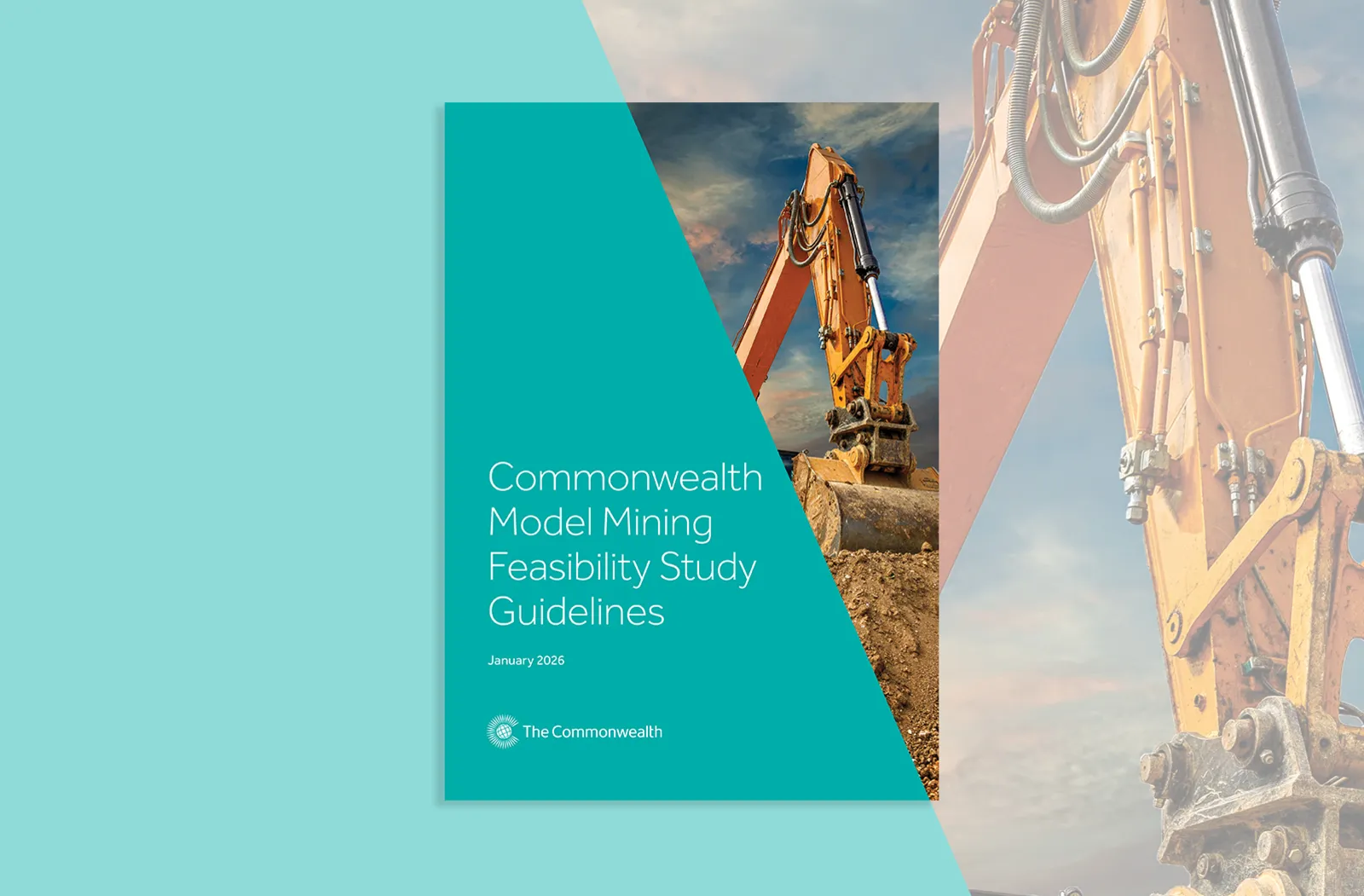
These Guidelines position feasibility studies as critical public interest tools that inform regulatory decisions and influence development outcomes.
The Commonwealth Secretary-General, Hon Shirley Botchwey, said for many Commonwealth member countries, mineral resources are not only a source of revenue, but a potential pathway towards resilient, inclusive, and sustainable development, unlocking opportunities for people. She said:
"At its heart, the Model Mining Feasibility Study Guidelines are about a simple but vital question: is this project truly in the national interest? A feasibility study should be more than numbers on a page. It should ask whether developing a resource will create lasting value, protect people and the environment, and strengthen long-term economic security.
"When this work is done poorly, countries can be locked into harmful outcomes for generations. When it is done well, it can become a powerful driver of sustainable growth."
Naadira Ogeer, Head of Energy and Natural Resources at the Commonwealth Secretariat, spearheaded the development of the Guidelines. She said:
“These Guidelines were developed at the request of our member countries to support more informed and transparent decision-making across the mining project lifecycle. They respond to the current absence of model guidelines and will assist governments as they review and engage with mining feasibility studies going forward. This is especially important given the growing global demand for critical minerals and long investment cycles.”
A feasibility study is not simply a technical or financial process or document; it is the first and most important step in deciding whether a mining project should proceed. The guidelines will assist governments in building the tests as to whether a proposed project is realistic, responsible and aligned with national development priorities. Without rigorous feasibility studies, governments risk granting approvals to projects that may be unsustainable, fail to deliver expected benefits, or create disproportionate social and environmental costs.
Image
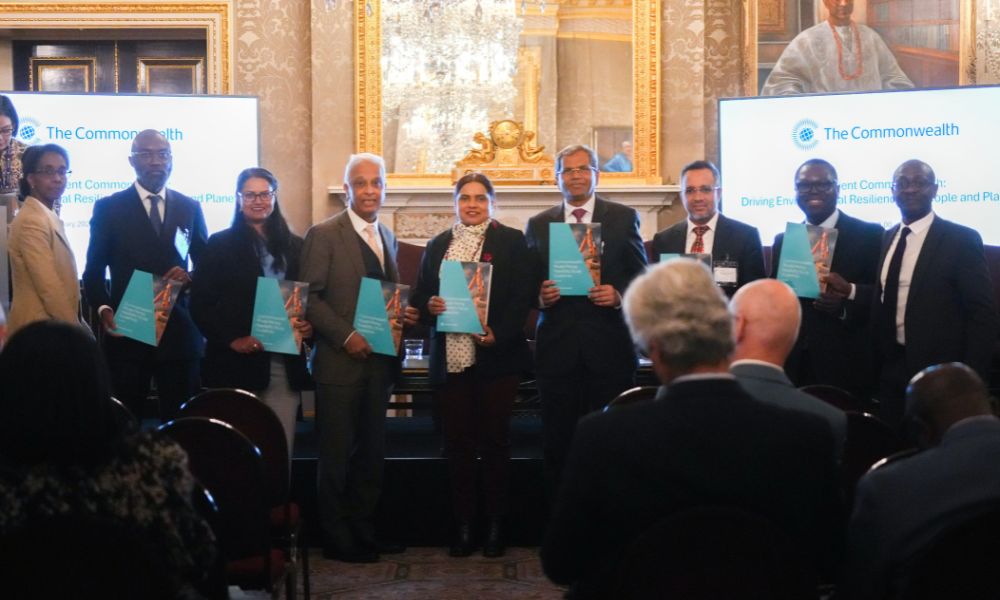
The inaugural Commonwealth Secretariat Environmental Resilience Day showcased the work of the Secretariat’s Climate Change and Oceans Directorate, which includes the Energy and Natural Resources section, as a core pillar of the Strategic Plan 2025–2030.
Under the theme A Resilient Commonwealth: Driving environmental resilience for people and planet, the event brought together UK-based High Commissioners, the private sector, academics and youth organisations to strengthen collaboration on resilience, access to finance, accelerating the energy transition, and shaping global climate, ocean and natural resource governance.
Commonwealth Model Mining Feasibility Study Guidelines
Media contact
Suné Kitshoff
Senior Communications Officer
T: +44 7740 450 901 | Email our media contact Suné Kitshoff