


By Kim Kampel and Tanvi Sinha, Trade Advisers, Commonwealth Small States Office in Geneva, Commonwealth Secretariat
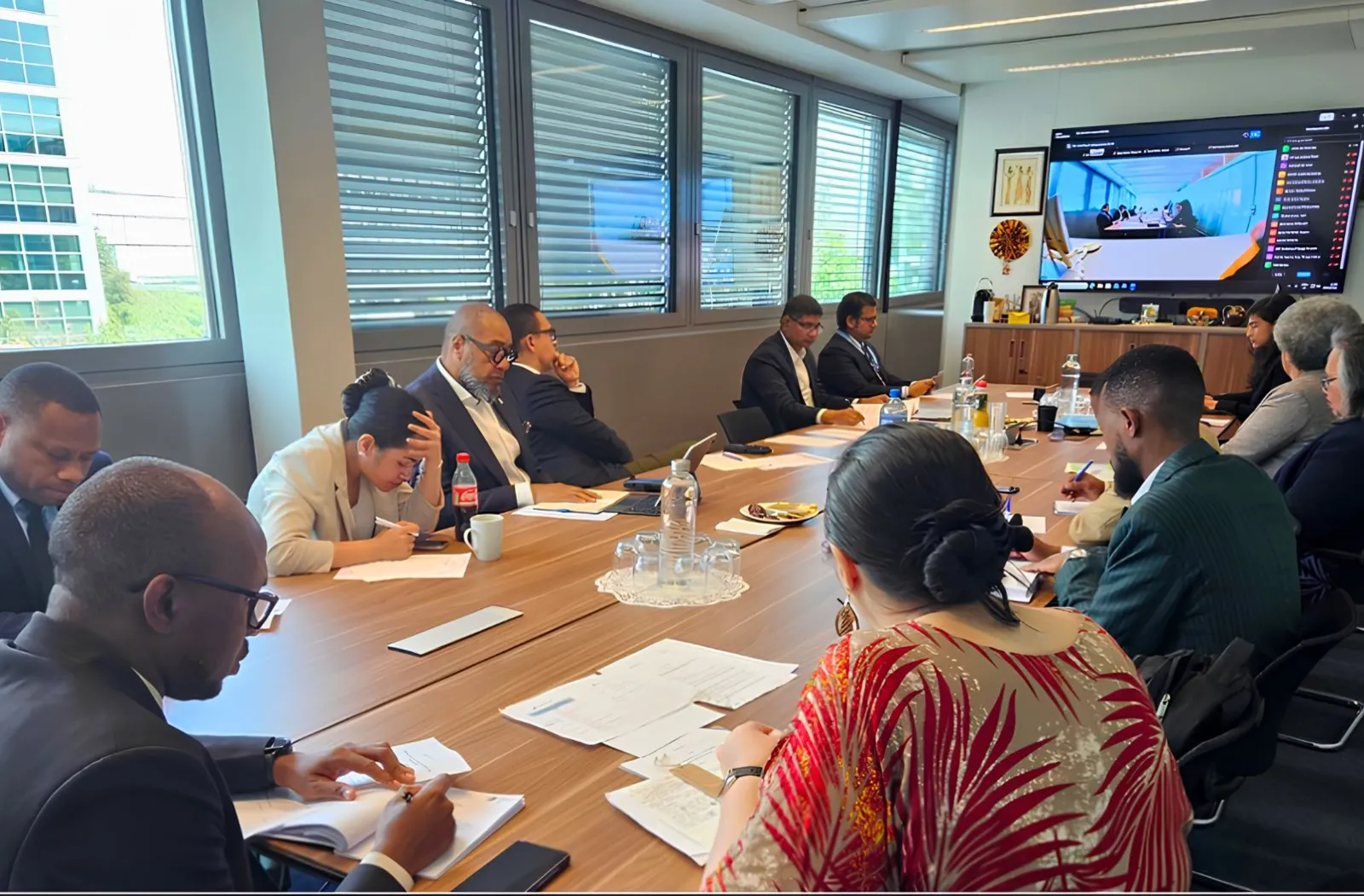
A month after the World Trade Organization’s 14th Ministerial Conference (MC14) in Cameroon, we brought together representatives from Commonwealth small states and least developed countries (LDCs) for a debrief to reflect on what was achieved and what comes next.
The debriefing session, organised by our Commonwealth Small States Office (CSSO) in Geneva, was an opportunity for ambassadors and officials based in Geneva and national capitals to examine MC14 outcomes and assess priorities for future negotiations.
Overall, the discussions reinforced the value of coordinated action and engagement to ensure that the interests of small states and least developed countries remain effectively represented in multilateral trade negotiations.
Examining progress
Delegates welcomed progress in several key areas, including fisheries subsidies and the Work Programme on Small Economies, however, they acknowledged that several issues remain unresolved, including WTO reform, digital trade and support for countries graduating from LDC status. They agreed continued engagement in Geneva will be essential to move these discussions forward ahead of future ministerial meetings.
Fisheries subsidies remain a priority for many small island and coastal states, where fishing supports jobs, food security and export earnings. Delegates agreed to continue negotiations towards a comprehensive agreement that addresses outstanding concerns, including subsidies contributing to overfishing and overcapacity.
They also welcomed an update from Ambassador Leslie Ramsammy of Guyana, Chair of the Negotiating Group on Rules, on a proposed roadmap for future negotiations.
Agriculture was another key area of focus. Delegates stressed the need for continued reform to address longstanding challenges affecting food security and rural livelihoods in small states and least developed countries.
The WTO’s development dimension also remained central to the discussions. Delegates highlighted the importance of fully implementing the special and differential treatment (SDT) provisions, which give developing and least developed countries greater flexibility and capacity in meeting their WTO commitments.
In this regard, they welcomed decisions taken at MC14 to strengthen SDT provisions under the WTO’s Sanitary and Phytosanitary (SPS) and Technical Barriers to Trade (TBT) Agreements, which could improve transparency, regulatory cooperation and trade facilitation for developing economies.
Delegates also welcomed the Ministerial Decision on the Work Programme on Small Economies, particularly its focus on helping small economies integrate into the global trading system and benefit from emerging opportunities in digital trade.
E-commerce and WTO reform
Digital trade featured prominently in the discussions. Delegates discussed the role of the WTO’s 1998 E-Commerce Work Programme and E-Commerce Moratorium in supporting the development of digital and e-commerce ecosystems in small and least developed countries.
Ambassador Richard Brown of Jamaica, who is facilitating discussions on this issue at the WTO, provided an update on efforts before and since MC14 to help member countries reach agreement on the future of the E-Commerce Moratorium and Work Programme.
WTO reform remains at the centre of the WTO agenda. Delegates highlighted the importance of maintaining momentum in member-driven discussions in Geneva to preserve and strengthen a rules-based multilateral trading system that remains inclusive, fair, transparent and responsive to the needs of small developing economies and least developed countries. They noted that recent developments in the global trading landscape make these discussions particularly important and timely for smaller economies.
The way forward for inclusive global trade discussions
Throughout the discussions, delegates noted that ongoing economic uncertainty, geopolitical tensions and climate-related pressures have reinforced the importance of an open, inclusive and rules-based multilateral trading system.
For small states and least developed countries, a strong and effective WTO remains critical to ensuring their priorities are reflected in global trade discussions.
Delegates welcomed the support provided by the Commonwealth Small States Office before and during MC14, which helped ministerial delegations prepare for negotiations and articulate their priorities. They also valued the debriefing session, which helped clarify MC14 outcomes and address information gaps that emerged after the conference.
Delegates stressed the need for continued technical support from the CSSO trade advisers as members work to finalise the MC14 Yaoundé Package in Geneva and prepare for MC15 against a challenging global economic backdrop. Following the debriefing session, there was a clear sense that considerable work still lies ahead.
The Commonwealth Secretariat will continue supporting its small states and least developed countries as negotiations progress in their priority areas, helping them engage effectively in relevant trade fora and amplify their voices in decisions that affect their economic future.
Related content
We campaign internationally for special attention to the unique development challenges of Commonwealth Small States