


Blog by Mxolisi Sibanda, Adviser, and Elyse Blondell, former intern, Commonwealth Climate Change and Oceans Directorate
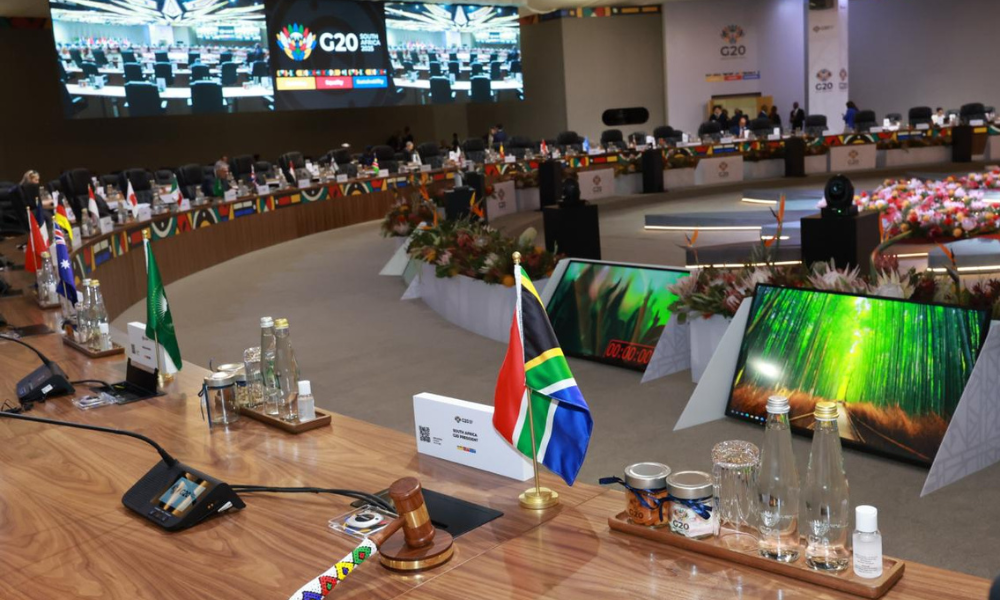
In recent days, two major global events highlighted the importance of forests, not only as carbon sinks, but as critical to sustainable development – especially for Indigenous Peoples and local communities (IPLCs). COP30, held in Brazil’s Amazonia, launched the Tropical Forest Forever Facility (TFFF) with US$5.5 billion in commitments from sponsor countries. And the G20 South Africa Summit in Johannesburg, noted the TFFF as a way to incentivise the protection of tropical forests.
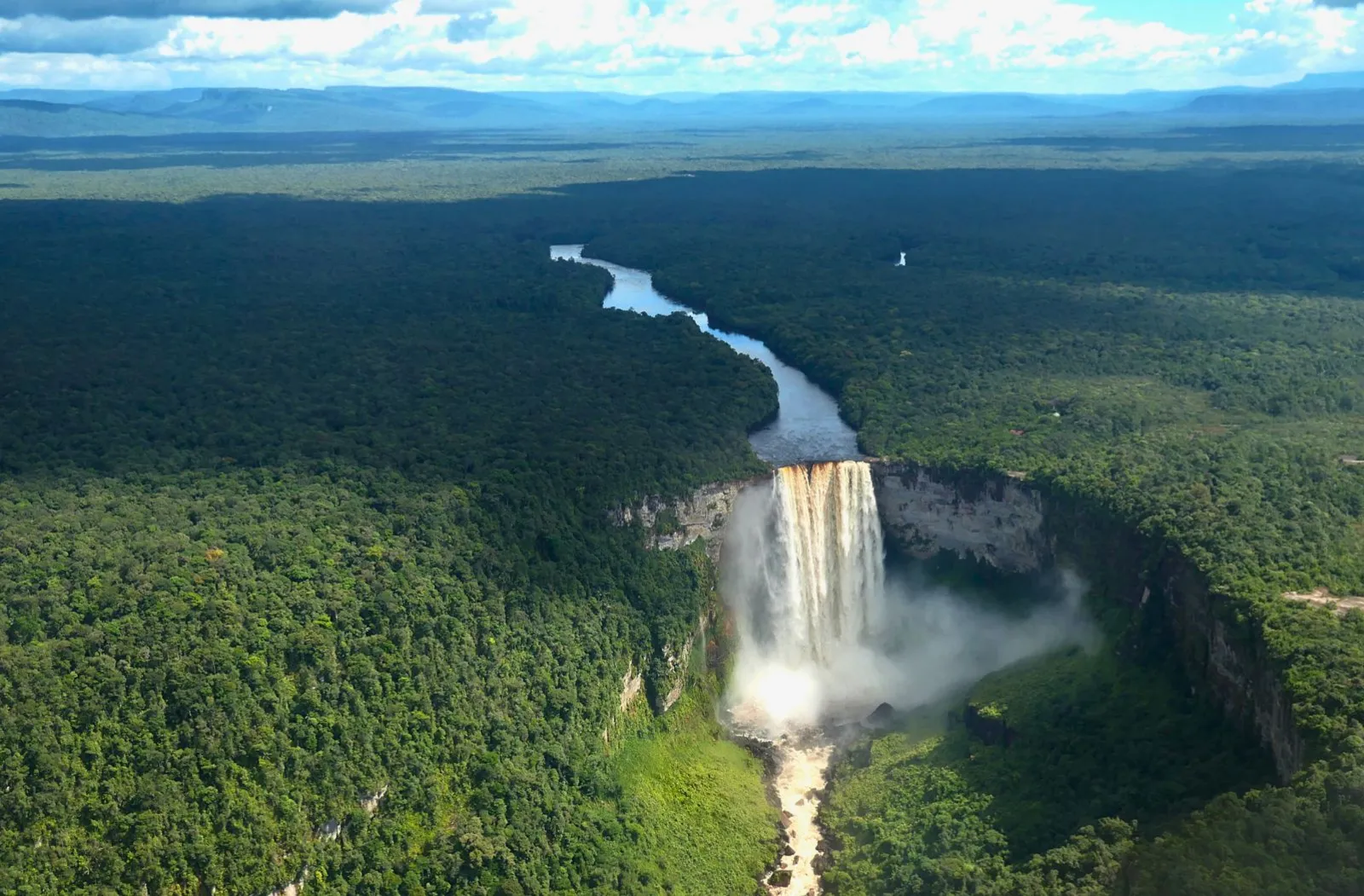
The Amazon is a tropical rainforest that covers seven million km² of forest land in South America. While Brazil, as COP30 Presidency, holds the greatest share at 60 per cent, it also extends into Bolivia, Ecuador, French Guiana, Guyana, Peru, Suriname and Venezuela. The TFFF – so far endorsed by 53 countries, including 34 tropical forest countries – is not only timely but urgent.
Image
Centring Indigenous Peoples and local communities
A key element of the TFFF is that, at least 20 per cent of the funds under TFFF would go directly to IPLCs. Additionally, a TFFF Country Access Platform will help forest countries meet eligibility requirements and access funds. This will connect countries with technical partners, provide hands-on knowledge support, and facilitate South-South collaboration.
IPLCs have been stewards of forests and its biodiversity for ages, protecting our Earth and the remaining biodiversity. Such funds will enable them to make their own decisions for their communities and environments, and the extent to which they want to keep their traditional ways of living.
Guyana – home to part of the Amazon – is a Commonwealth member and a leader in climate action and biodiversity conservation. The Commonwealth Secretariat has a long-standing relationship with the Iwokrama International Centre and its collaborative partnerships with IPLCs of the Iwokrama Forest. The Secretariat is also supporting work in Fiji and Tuvalu to better understand IPLC knowledge for climate adaptation. We have been calling on the global community to recognise the links between nature conservation, sustainable land management, climate action and IPLCs. And seeing the development and recognition of the TFFF is encouraging.
Our Living Lands Charter, adopted by Commonwealth Heads of Government (CHOGM) in Rwanda, in 2022, has at its heart the need to accelerate integrated climate actions that help us restore nature for people and planet so we do not strip our lands bare, leaving them degraded.
The true potential for forests to be vehicles for climate action requires us to halt deforestation and land degradation. In fact, the G20 South Africa Summit Leaders' Declaration calls for "enhanced efforts" to halt and reverse deforestation by 2030.
Agriculture is a major cause of deforestation. The Food and Agricultural Organization of the United Nations (FAO) estimates that despite a slowing down of deforestation, we still lose 10.9 million hectares per year. Extraction of wood for fuel, building and other purposes accounts for significant degradation and deforestation. But this must be seen against the realities of social and economic plights of local communities.
Time is running out
COP30 presented an opportunity to assert forests as central to stabilising climate, conserving biodiversity, livelihoods and cultures, and securing our collective future. Afterall, Belém is the gateway to the Amazon. Our hope is that the TFFF, together with the G20 support for it, will lead to concrete action for forests and IPLCs who are connected to forests for their livelihoods.
And so, we must scale up efforts to protect, conserve and sustainably manage forests and combat deforestation and forest degradation. This means addressing negative impacts of agriculture on forests and developing agricultural and forest monitoring systems – which is also a great way to include IPLCs in a tangibly strategic way.
Therefore, this is front and centre in our Living Lands Charter Agriculture working group, which is led by Nigeria and Kenya.