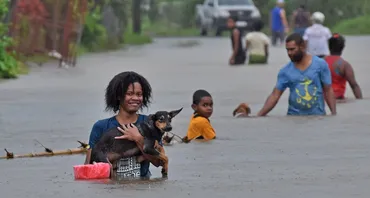



The Caribbean is one of the most climate-vulnerable and disaster-prone regions. The region’s vulnerability stems from its geography, topography and several socio-economic factors. Despite these challenges, Small Island Developing States (SIDS) in the Caribbean have committed to ambitious Nationally Determined Contributions (NDCs) under the Paris Agreement, covering renewable energy transitions, ecosystem protection, coastal resilience, and climate-resilient infrastructure.
Translating these ambitions into concrete action requires significant financial resources that most island economies cannot afford.
Carbon markets offer a promising opportunity for SIDS to generate domestic revenue streams to finance their NDCs. If countries can monetise emission reductions and ecosystem services, they can unlock new financing sources while simultaneously building climate resilience and advancing mitigation. Removing barriers related to carbon markets and making finance mechanisms relevant for SIDS are key considerations.
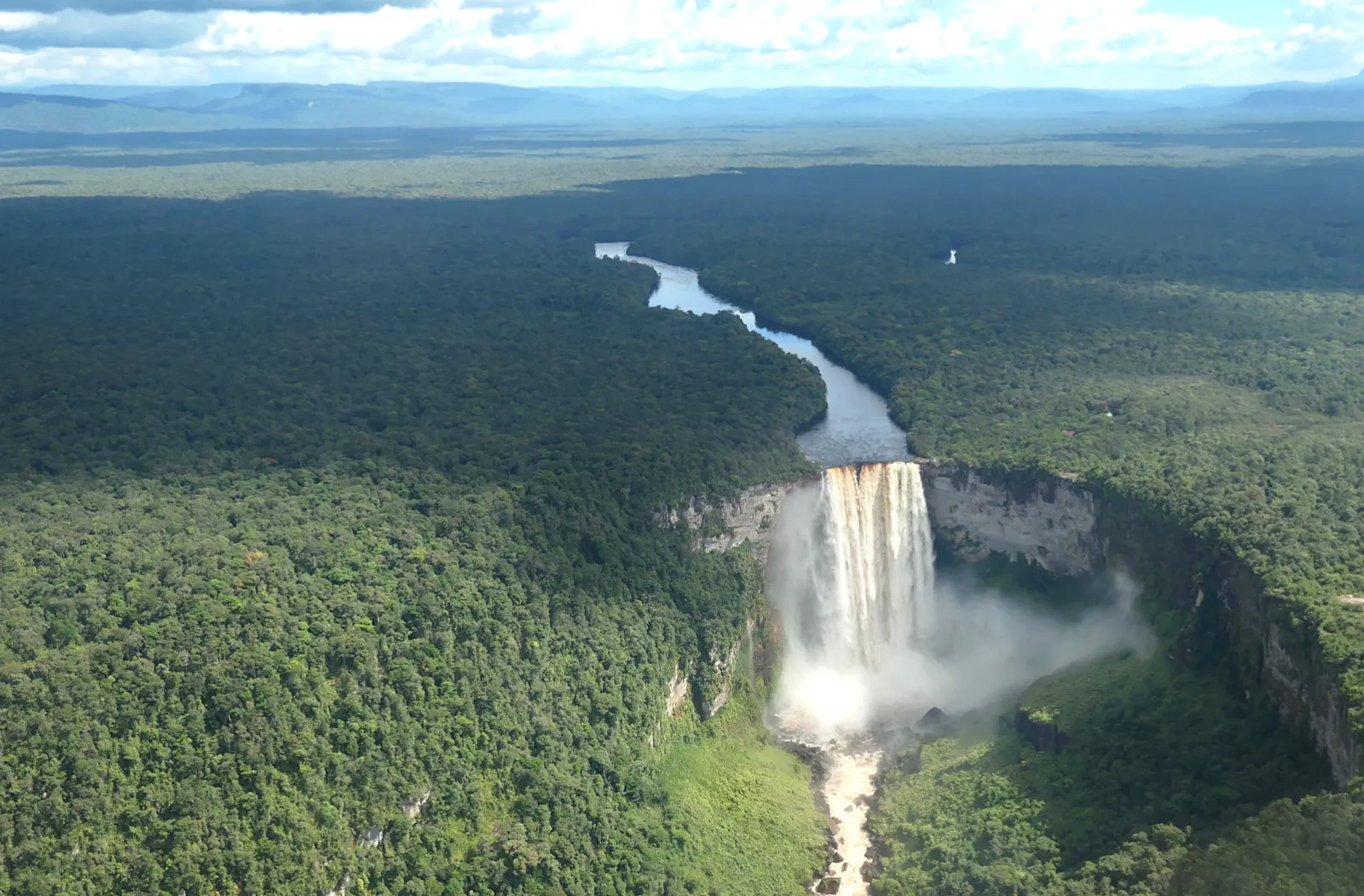
Guyana’s journey and story are a compelling example of how countries with vast natural resources can leverage carbon markets to finance climate and wider development objectives. Guyana, through its Low Carbon Development Strategy (LCDS), has monetised the carbon storage capacity of its extensive tropical forests covering 85 per cent of the country’s land area.
The country was the first to issue jurisdictional-scale carbon credits allowing it to sell forest carbon credits on international markets. Revenue generated from these transactions is being reinvested in climate adaptation, forest conservation, sustainable development, and benefit-sharing with Indigenous Peoples and local communities (IPLCs).
How did Guyana make this happen? How did it successfully navigate the technical, legal and institutional challenges that hinder most countries from participating in the carbon markets? What are the key drivers of success? What are some of the key lessons that other countries can learn from Guyana’s experience?
To explore these questions, the Commonwealth Climate Finance Access Hub (CCFAH), in partnership with the Caribbean Community Climate Change Centre (CCCCC), the United Nations Development Programme (UNDP), the World Bank and the UNFCCC Regional Collaboration Centre (RCC) Caribbean, is organising a regional knowledge exchange and peer-to-peer learning event.
Objectives
The core objectives of this event are to:
- Improve technical understanding among countries on the requirements for engaging in carbon markets, looking at key preparatory activities, technical, legal, regulatory and institutional frameworks
- Improve awareness on the technical and capacity building support and tools available to countries, and
- Facilitate learning among Caribbean countries and partners drawing from Guyana’s experience in terms of lessons, challenges and opportunities.
Participants and guests
- Government officials, UN Climate Change (UNFCCC) focal points, Global Environment Facility (GEF) focal points, representatives from UN Agencies, private sector entities, development partners, donors and all interested parties.
Speakers
- Suresh Yadav, Senior Director, Oceans and Climate Directorate, Commonwealth Secretariat
- Uzoamaka Nwamarah, Head, Climate Section, Commonwealth Secretariat
- Dr Jamiil Jeetoo, National Economist, United Nations Development Programme - Mauritius and Seychelles
- Pradeepa Bholanath, Senior Director, Climate Change and REDD+, Ministry of Natural Resources, Government of Guyana
- Marlen Goerner, Climate Change Specialist, World Bank
- Andrea Camponogara, Global Lead, Regional Collaboration Centre (RCC), UNFCCC Secretariat
- Aurelius Nkonde, Manager, Commonwealth Climate Finance Access Hub
- Moderators: Tracy Smith, Regional NDC Coordinator, Caribbean Community Climate Change Centre (CCCCC), and Zipora Otieno, Commonwealth Regional Climate Finance Adviser for the Caribbean
For more information, contact: [email protected]