


On International Day for the Conservation of the Mangrove Ecosystem (26 July), we offer three lessons for reflection.
Blog by Dr Gina Maswabi, Dr Deepa Pullanikkatil, Mxolisi Sibanda and Dr Laila Shahzad, Climate Change section, Commonwealth Secretariat
Nature-based solutions or NbS are a cornerstone of biodiversity conservation. They improve sustainable development and naturally provide climate mitigation and adaptation. As a result, NbS have become of one of the key recommendations in national climate strategies, project concepts and funding proposals.
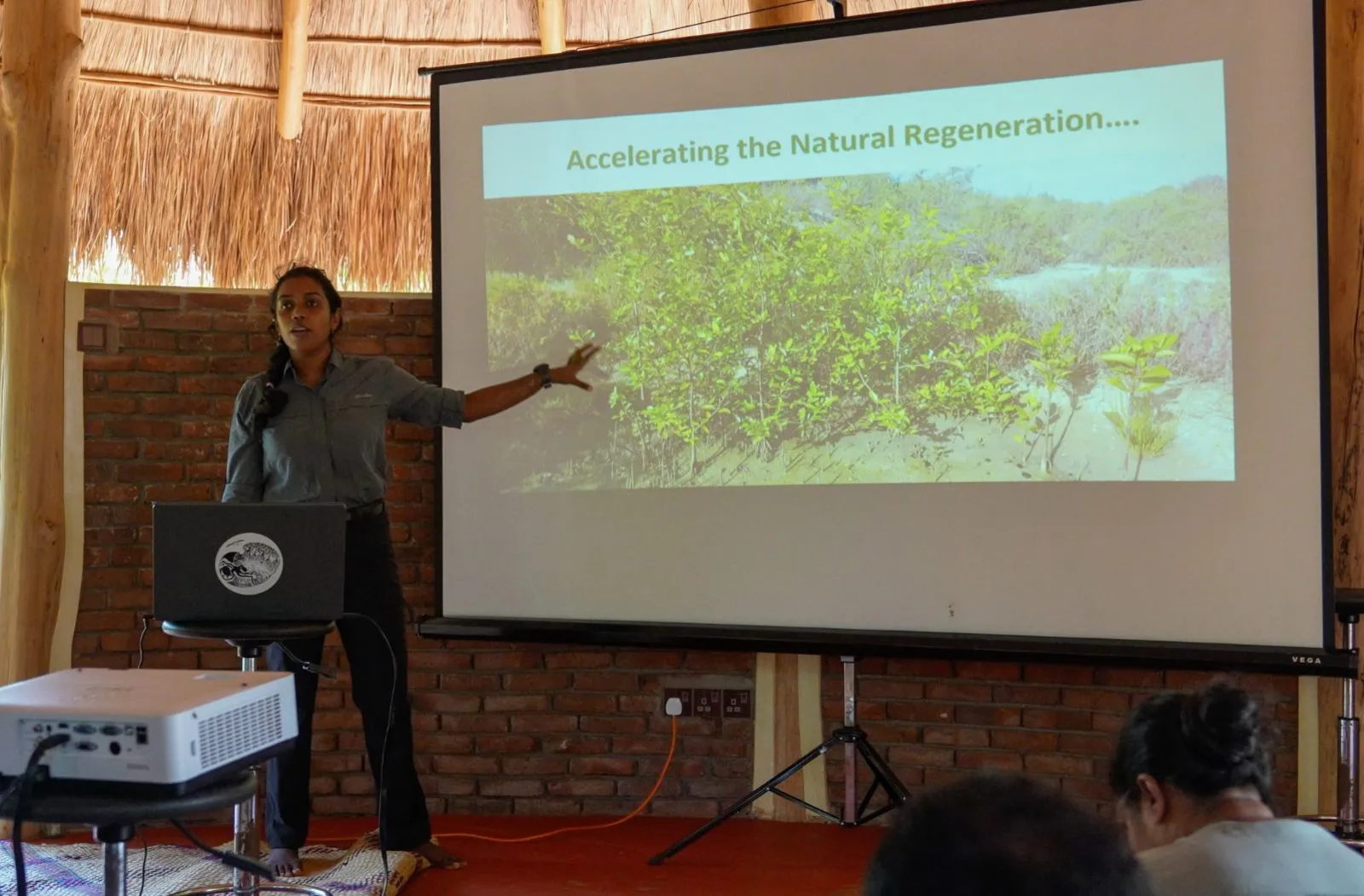
Recently, the Commonwealth Climate Finance Access Hub (CCFAH) team visited the Anawilundawa Wetland Sanctuary in the Puttalam District of Sri Lanka. This visit was on the margins of the 8th CCFAH Steering Committee Meeting.
The visit to the sanctuary highlighted some critical lessons for implementing nature-based solutions for climate action:
1) Mangrove restoration is not simply about planting mangroves
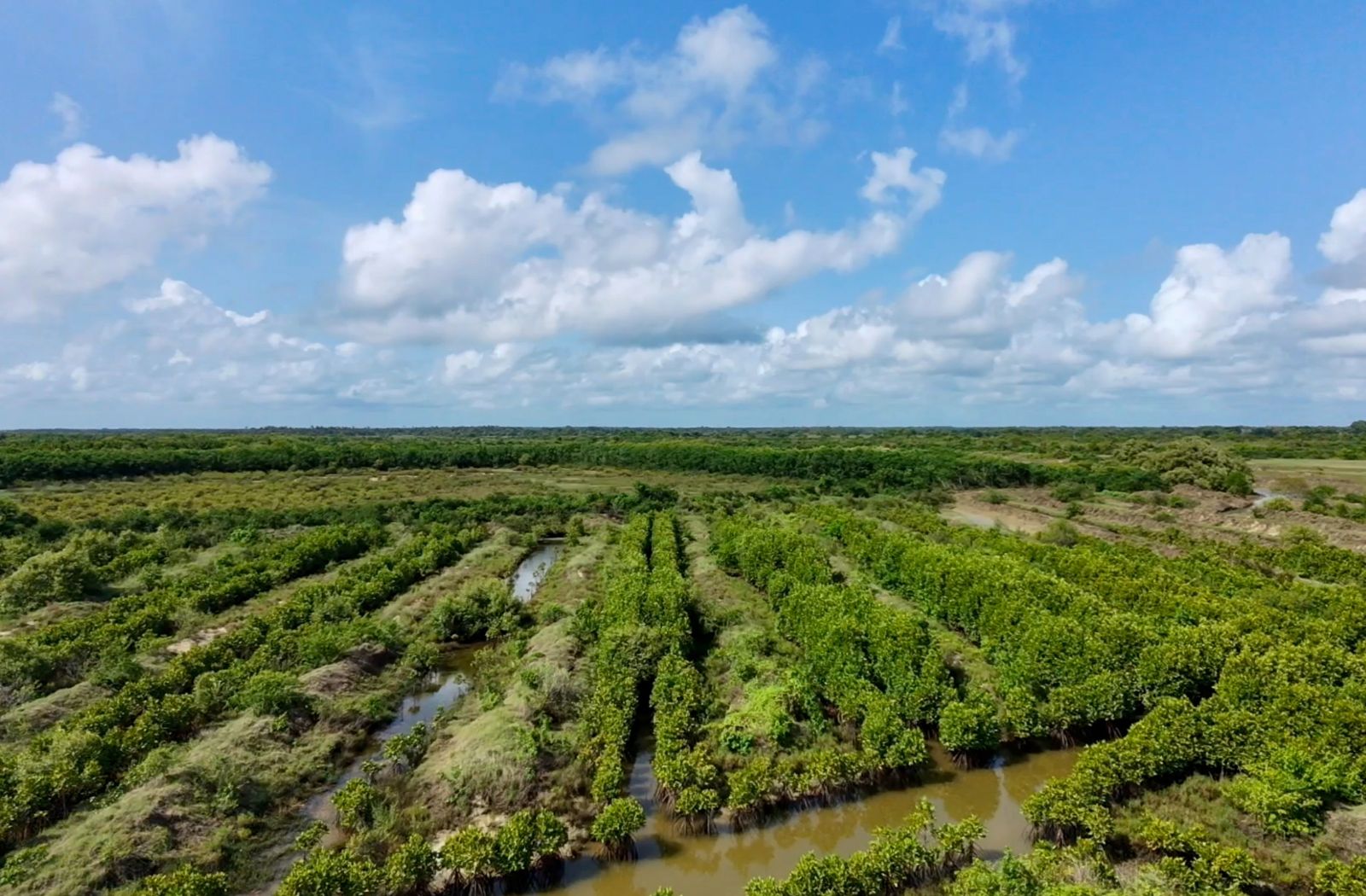
Anawilundawa is a designated Ramsar wetland covering 1,397 hectares. It is a complex mix of freshwater, mangrove swamps, and historically man-made reservoirs designed to sustain traditional paddy rice fields dating from the 12th century. It is a birder’s paradise with over 150 bird species. It is also home to over 20 mammal species like Toque Macaque monkeys and diverse aquatic plants, grasses, marshes and tree vegetation.
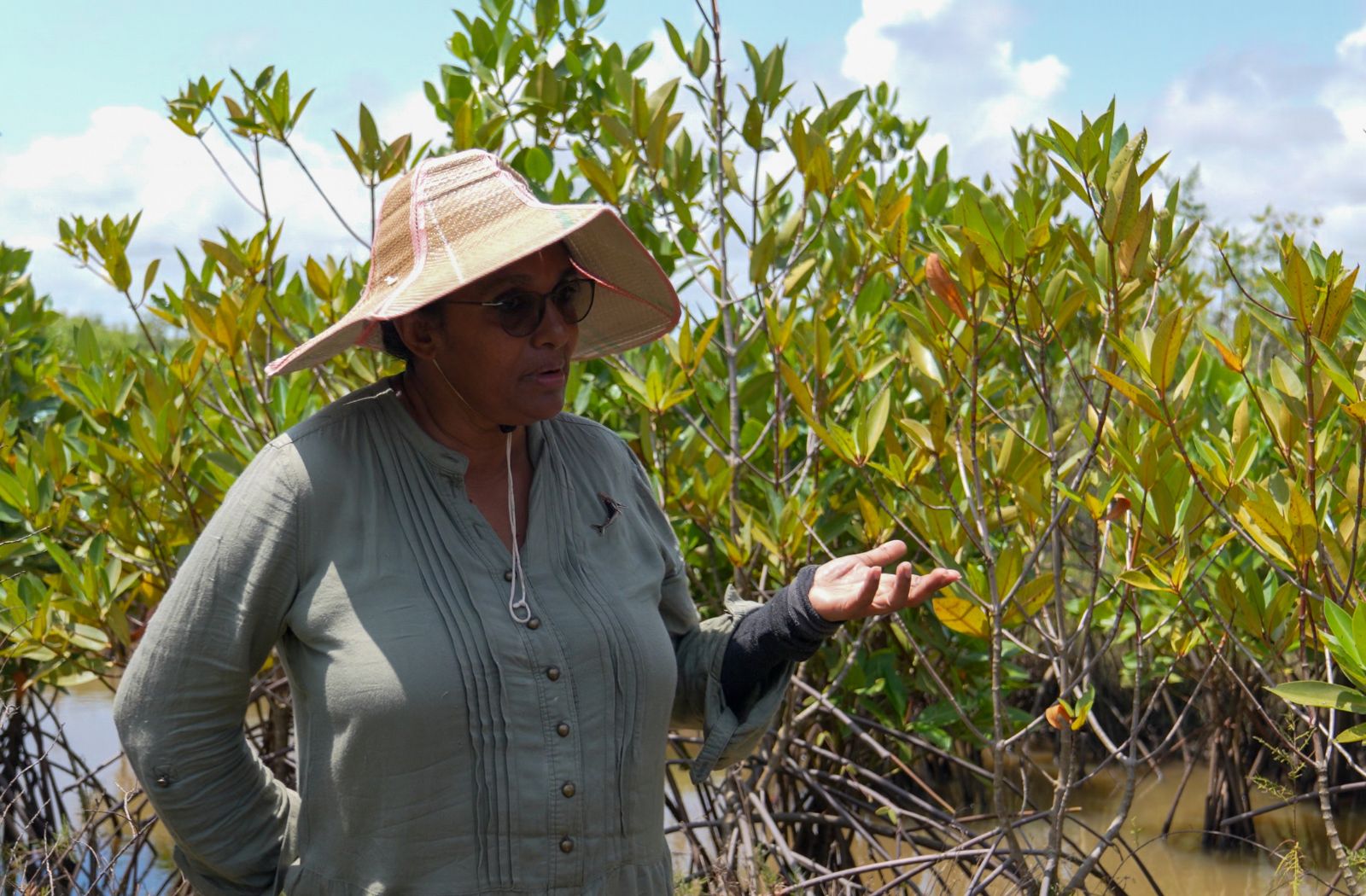
At Anawilundawa, various mangrove species have been planted, such as Rhizophora mucronata (Asiatic mangrove), Avicennia marina (Grey mangrove), and Avicennia officinalis. Though an important carbon store, it was clear that restoration of the mangrove requires more than just additional plantings.
It also requires restoring natural water flows that have been disturbed due to shrimp farming. In fact, we learnt that mangroves have regenerated naturally—sometimes more successfully than from planted seedlings with water flow restoration. Effective restoration begins with restoring ecosystems, not just planting trees.
Image
2) Project measures in nature-based solutions may not necessarily tell the whole story
Climate finance requires measurable results-specific activities, indicators, targets and budgets. For mangrove restoration, the number of seedlings planted, or hectares restored can provide good measures of progress. But they may not tell the whole story.
It is important to first understand why an ecosystem stopped functioning. If the underlying ecological conditions are not addressed, financing the most visible interventions may not deliver the intended results. This has implications for how NbS are designed and financed.
Scaling NbS should not mean replicating the same intervention from one location to another. Instead, climate finance should support ecological assessment, monitoring and adaptive management, recognising that ecosystems respond differently across locations and over time.
For climate finance practitioners, this raises a simple question: Before asking how many hectares can be restored, we need to ask what conditions are required for an ecosystem to restore itself?
3) Nature and communities can co-exist
The field visit also highlighted the close relationship between ecosystems and the communities that live alongside them.
Anawilundawa demonstrated that NbS are not only environmental interventions, but they are also investments in people and local economies. Their long-term success depends on communities that rely on and help steward these ecosystems. For surrounding communities, Anawilundawa provides income from ecotourism and supports various ecosystem goods and services including water provision, fibre and climate stabilisation.
Image
From ambition to implementation
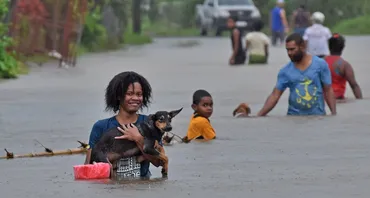
Across the Commonwealth, nature-based approaches come in different contexts. For example, for coastal communities in Fiji, mangroves and other nature-based approaches are being considered to protect vulnerable coastlines, while forests and sustainable land management play an important role in Eswatini’s climate response. These experiences reinforce that there is no single template for financing nature.
The Commonwealth Living Lands Charter provides a framework for advancing integrated action on climate, land, and biodiversity. NbS are an important approach towards this as demonstrated in Anawilundawa, and interventions should be informed by ecological realities, responsive to local contexts, and capable of delivering lasting benefits for both people and nature.
With the global climate community gearing up for COP31 in Antalya, Türkiye, in November, the challenge now is translating this growing ambition into effective action on the ground.
Media contact
Suné Kitshoff
Senior Communications Officer
T: +44 7740 450 901 | Email our media contact Suné Kitshoff