

For Mauritian wheelchair racer Noemi Alphonse, Para sport has been more than a pathway to the podium. It has been a journey towards confidence, visibility and self-belief. Born with a limb deficiency, Noemi was fitted with a prosthetic leg at just eight months old. By nine months old, she had already learned to walk.
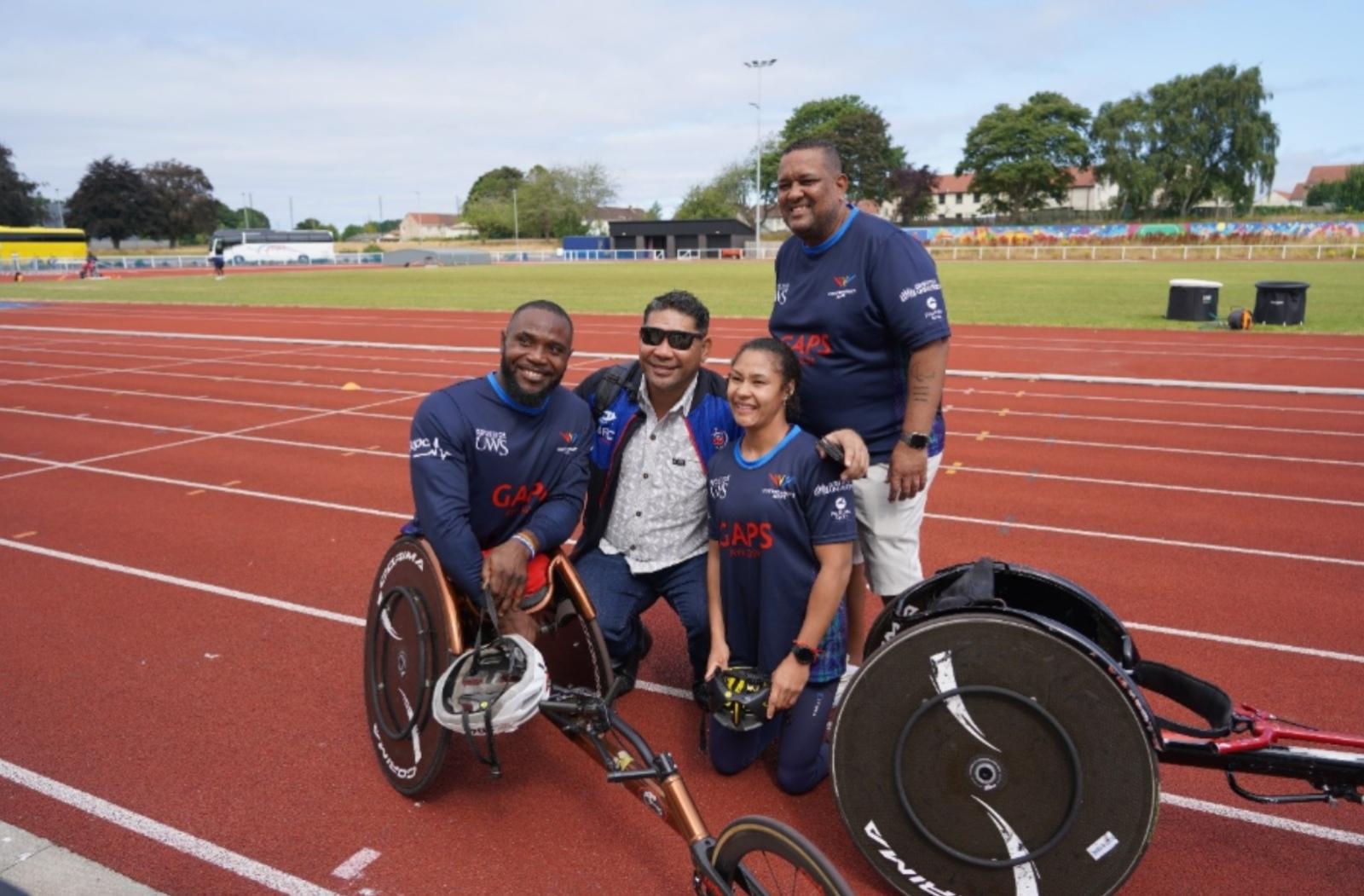
At 19 she discovered Para sport, a turning point that helped her build confidence, visibility and self-belief. Once shy about her disability and used to covering her body with long sleeves and trousers, Noemi now wears her brightly coloured prosthetic leg proudly — decorated with Wonder Woman imagery as a symbol of strength, resilience and refusal to hide who she is.
Through sport, Noemi began to see herself differently. Competing internationally, including at the Gold Coast 2018 Commonwealth Games and later becoming the first Mauritian Para athlete to reach a Paralympic final, helped her challenge perceptions at home and inspire young Para athletes to believe they could also take their place in sport.
Stories like Noemi’s show why inclusive pathways in sport matter. Since Para sport was introduced to the Commonwealth Games programme in Manchester in 2002, participation has grown significantly. Glasgow 2026 will feature the biggest para sport programme yet, with 47 medals up for grabs across six sports. Yet opportunities to compete remain uneven, with less than a third of Commonwealth countries able to send Para athletes to compete in the Games.
The GAPS Programme (Gather, Adjust, Prepare, Sustain) is Commonwealth Sport’s Para-athlete development and inclusion initiative, providing athletes and coaches with the skills, knowledge and support needed to prepare for competition.
To date, GAPS has supported more than 700 Para athletes and coaches in 45 countries. Many graduates of the programme have gone on to compete at the Commonwealth Games, win medals and even break world records.
Reflecting on the impact of the GAPS Programme, Commonwealth Sport President Dr Donald Rukare said:
“Our development programmes are designed to strengthen communities, transform lives and bring people together through the power of sport. The GAPS Programme reflects our commitment to creating a more inclusive Commonwealth, where everyone has the opportunity to participate and succeed.
“By investing in Para athletes and coaches, we are helping to build stronger pathways, challenge perceptions of disability and ensure more athletes can represent their countries with pride on the Commonwealth stage.”
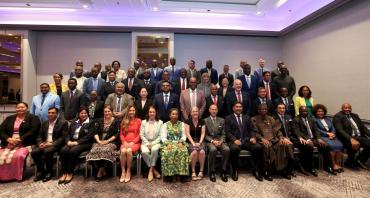
Held the day before the 12th Commonwealth Sports Ministers Meeting (CSMM), the GAPS camp brought together 37 Para athletes, their coaches and sports ministers in Glasgow to demonstrate how targeted investment in athletes and coaches can help turn policy ambition into action.
Image
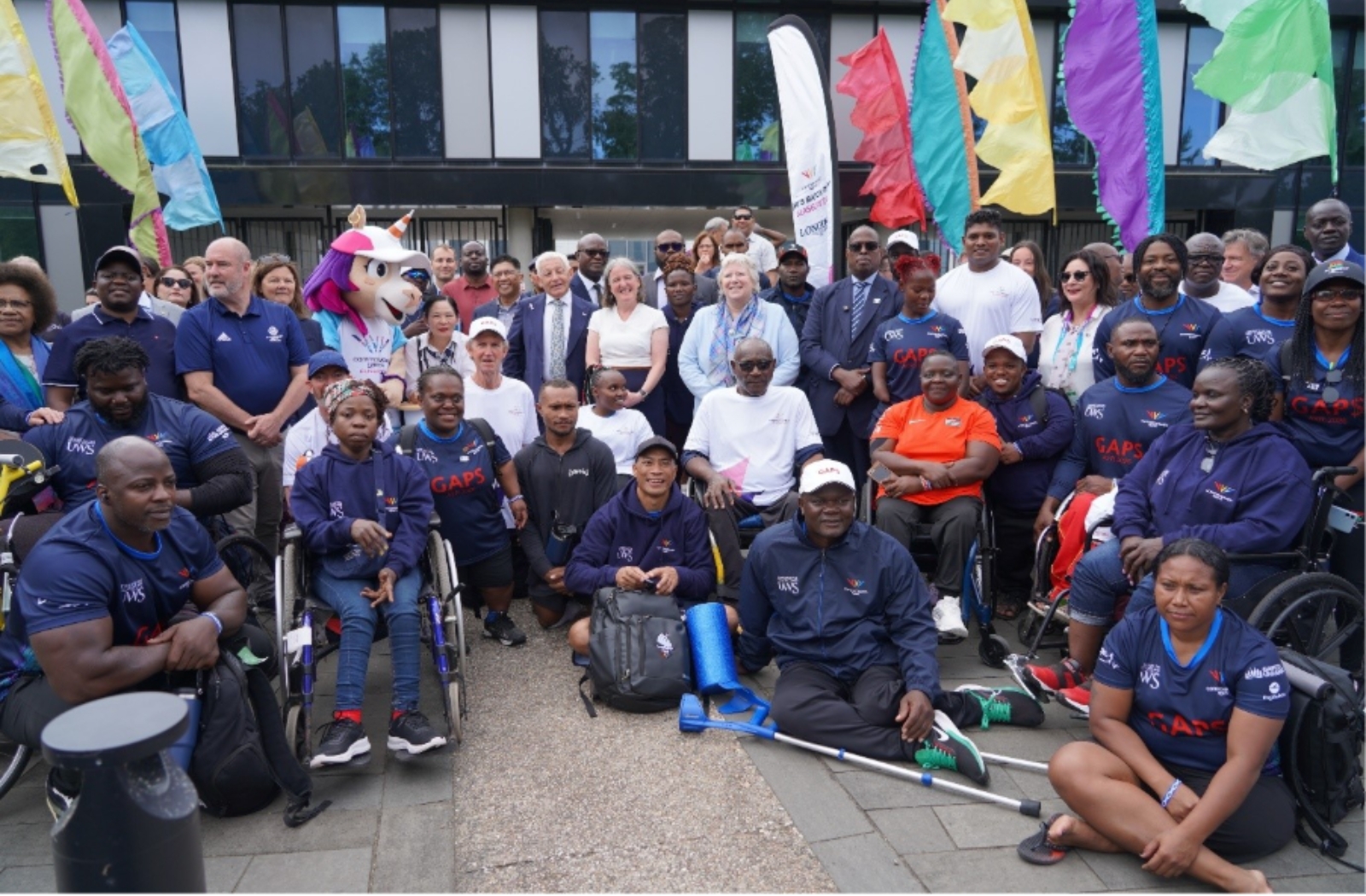
On the role of sport in building more inclusive communities, Jennifer Namgyal, Officer-in-Charge of the Social Development, Youth and Gender Directorate at the Commonwealth Secretariat, said:
“Sport is one of the Commonwealth’s greatest shared assets. It brings people together across borders, cultures and generations, and has the power to open doors for those who have too often been left behind.
“Realising that potential depends on strong partnerships. By working together across governments, sporting bodies, civil society and communities, we can turn shared ambition into practical action. Through the 12th Commonwealth Sports Ministers Meeting and the GAPS programme, we are strengthening collaboration to build more inclusive, resilient and equitable communities through sport.”