

A Commonwealth workshop was held in Suva, Fiji, last week to help six Asian and Pacific small island developing states strengthen debt transparency, improve risk monitoring and build resilience against emerging fiscal pressures.
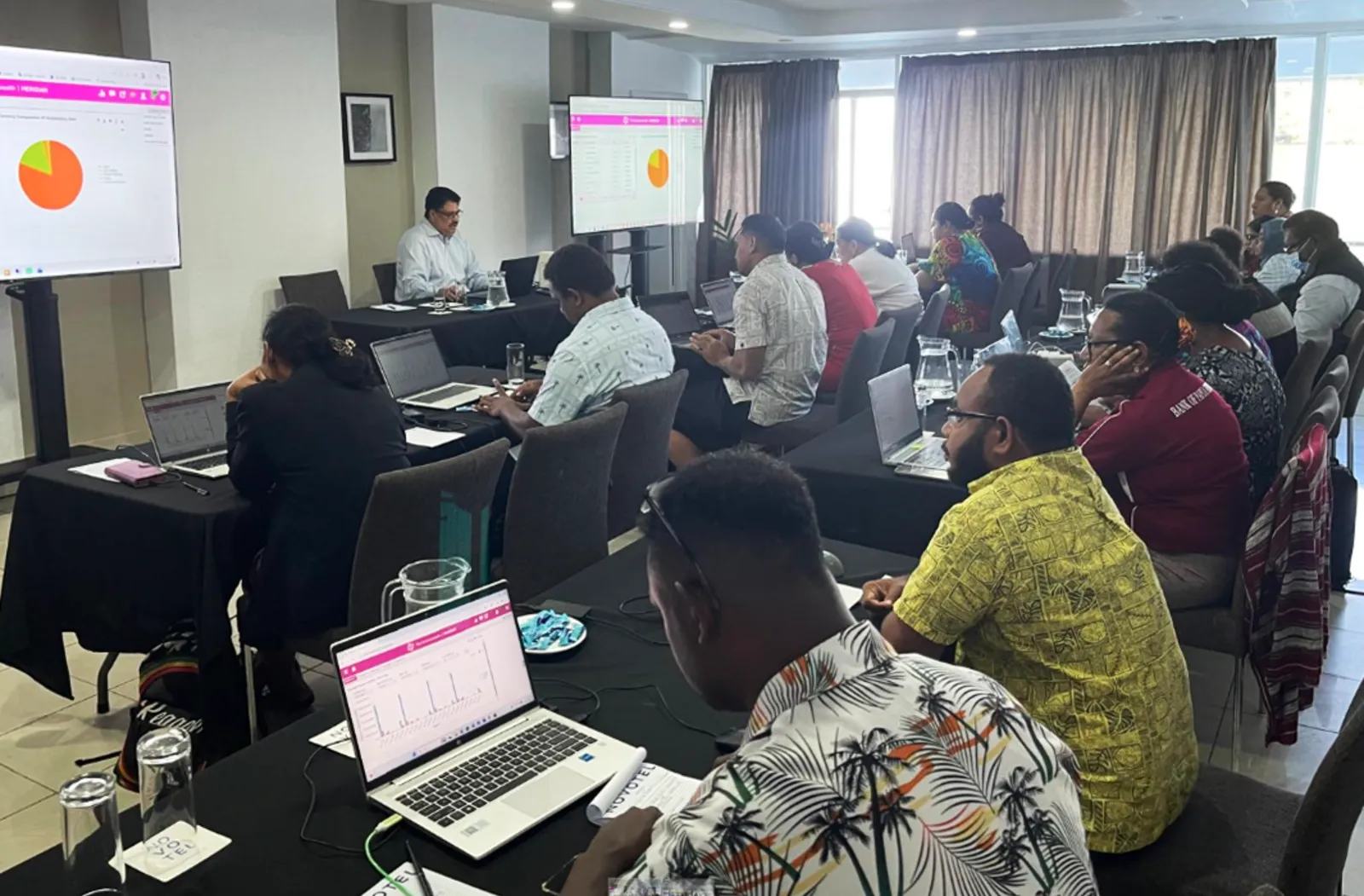
Held from 22 to 27 June 2026, the workshop brought together debt managers from Fiji, Maldives, Papua New Guinea, Samoa, Solomon Islands and Tonga.
Over six days, participants received advanced training on the Commonwealth’s debt management system, Meridian. All six countries use the system to record, analyse and report on public debt.
Participants used Meridian to create tailored reports and monitoring dashboards that give governments a clearer picture of what they owe, what it costs and where risks may lie. With this clearer view, governments can improve debt transparency and assess debt costs and risks more effectively.
Using sample debt portfolios, participants learned to turn debt data into reliable, timely analysis that supports informed decisions on borrowing, repayments and the resources available for public investment.
Representatives from the World Bank Group and the International Monetary Fund also discussed frameworks for assessing and improving the quality of public debt statistics to strengthen reporting, transparency and accountability.
Dr Ruth Kattumuri, Senior Director of the Commonwealth Secretariat’s Economic Development, Trade and Investment Directorate, said:
“Small island developing states are navigating rising uncertainty, from global economic shocks and geopolitical tensions to increasingly frequent climate-related disasters. These pressures can place severe strain on public finances and limit governments’ ability to invest in the opportunities and development needs of their people.
“Our workshop is equipping public debt managers from Asian and Pacific small island developing states to make better use of Commonwealth Meridian to turn debt data into reports and analysis that can guide government decisions.
“By strengthening understanding of debt costs and risks, and improving transparent reporting, small island developing states can be better placed to access development finance to build resilience and ensure public resources deliver the greatest possible benefit for their people.”
Image
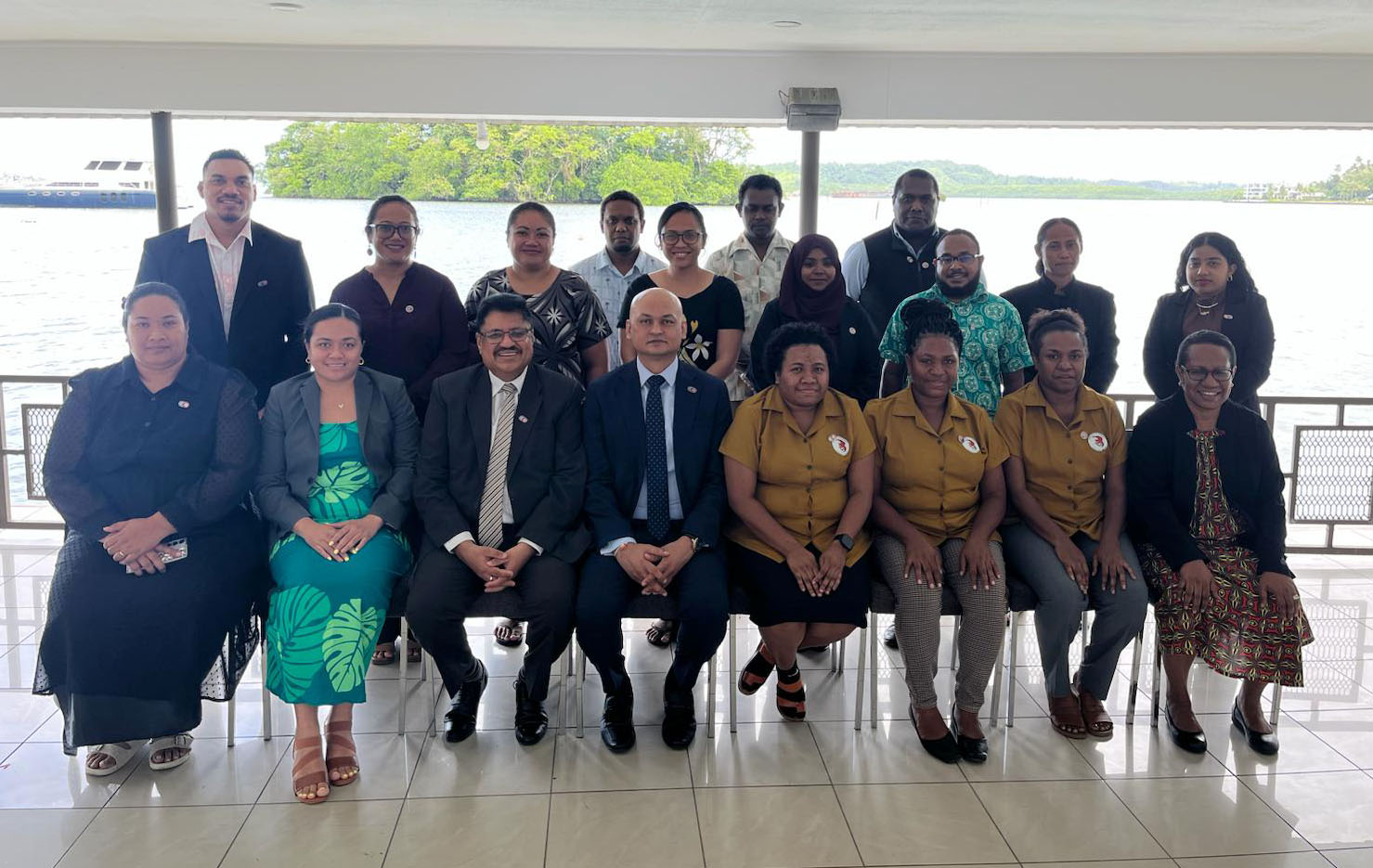
Participants said the workshop had deepened their understanding of Commonwealth Meridian and its role in supporting stronger public debt management.
Ali Homelo, Chief Manager, Financial Markets at the Central Bank of Solomon Islands, said the workshop had helped participants recognise how Meridian supports the full debt data lifecycle, from recording and analysis to reporting, risk monitoring and transparency.
He added:
“The workshop has reinforced that accurate and transparent public debt data is not just a technical requirement; it is a prerequisite for good governance and effective debt policy management.”
Lessons from the workshop will help shape the forthcoming Commonwealth Horizon 2.0, a next-generation debt management tool, and a proposed Commonwealth Debt Managers Network, which will bring together countries that use Meridian for peer learning.
The workshop marks the end of the Commonwealth Year of Innovative, Sustainable and Resilient Debt Management declared by leaders at the 2024 Commonwealth Heads of Government Meeting.
The workshop is part of the Commonwealth Debt Management Programme, which was established in 1985 to provide countries with policy, legal and institutional support to manage public debt without compromising their development goals.